 Blaine Siding
 Siding Built for a Marine Neighborhood, Not a Generic House
Semiahmoo sits about as close to open water and the international border as a Whatcom County property can get. Homes here take on a different kind of weather load than a house set back in the trees a few miles inland — more direct salt-laden wind, more driving rain off the water, and a longer stretch of damp, low-light months that keep every north- and west-facing wall wet longer than it should be. Siding that would hold up fine in a more sheltered part of Blaine can fall short here, and the failures tend to show up as the same three problems over and over: finish breakdown from salt exposure, water intrusion at poorly flashed joints, and moss or algae that never fully dries out between rains.
We install James Hardie fiber cement siding on Semiahmoo homes because it's the one product system we're willing to put our name behind in this kind of environment. This page covers what the local climate actually does to siding, what a correct installation looks like, and why the crew you hire matters as much as the product you choose.
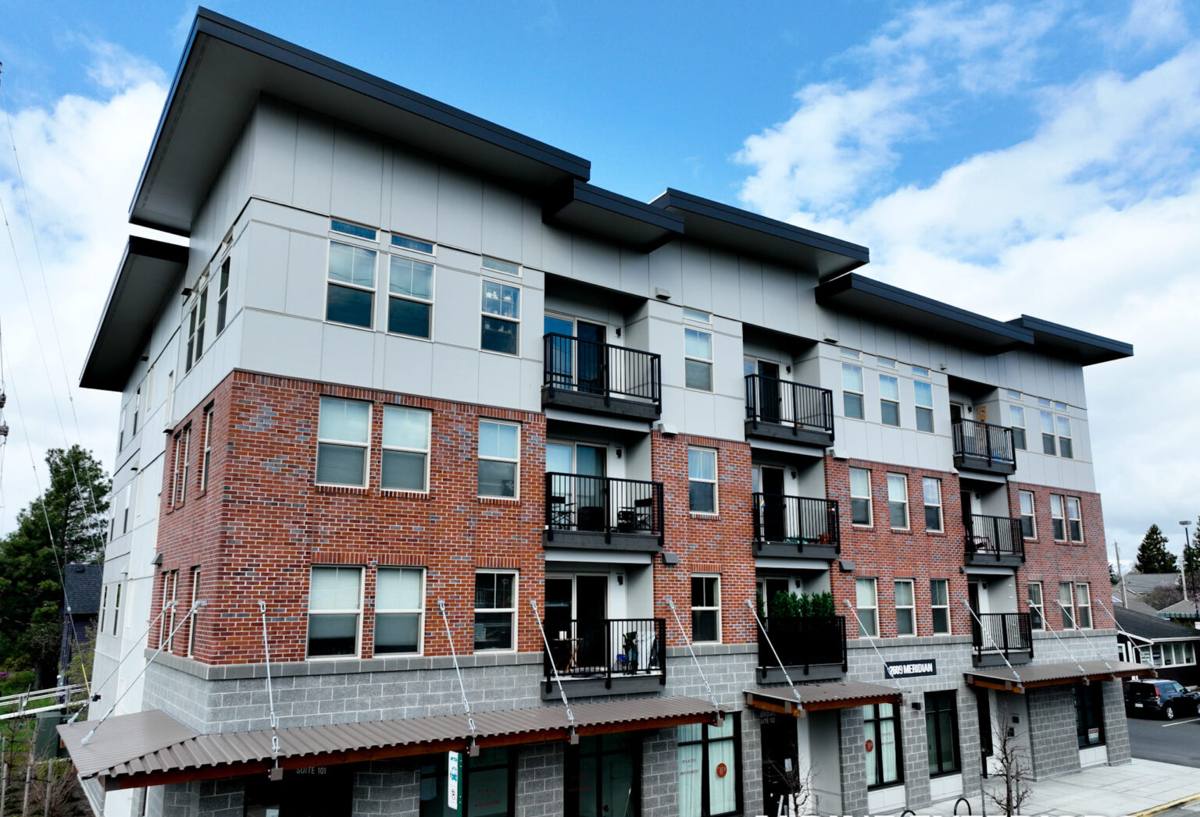
What Salt Air, Driving Rain, and Moss Season Actually Do to Siding
Salt Air and Finish Breakdown
Airborne salt is corrosive and it's abrasive to painted finishes over time. On products with a field-applied or lower-grade factory paint, salt exposure accelerates chalking, fading, and eventual peeling — especially on south- and west-facing elevations that also take the most sun. It's also hard on unprotected or poorly coated fasteners, which can streak rust down a wall long before the siding itself is due for attention.
Driving Rain and Water Intrusion
Wind off the water doesn't just bring rain straight down — it drives it sideways into laps, joints, and penetrations. Any siding installation that relies on caulk alone to keep water out at seams, rather than proper flashing and drainage detailing, is going to leak eventually in a location like this. The failure is usually slow and hidden: water working behind the siding at a butt joint or window trim for months before anyone sees a stain inside.
Moss Season and Prolonged Moisture
Whatcom County's moss season is long, and on a shaded or north-facing wall near Semiahmoo, siding can stay damp for days at a stretch during the fall and winter. Materials that absorb and hold moisture — rather than shedding it and drying out quickly — are the ones that grow moss and algae, and eventually the ones that soften, swell, or delaminate at the edges. Siding choice, gap spacing, and how much the installer bothers with ventilation and drainage all affect how bad this gets.
Why We Install Only James Hardie Fiber Cement Here
We don't install vinyl, LP SmartSide, primed wood, or the other fiber cement brands on the market, and Semiahmoo is one of the clearest examples of why. Fiber cement as a category resists moisture absorption and doesn't feed mold or rot the way wood-based products can. James Hardie specifically engineers regional product lines (their HZ5 line is built for the Pacific Northwest's wet climate) and backs the finish with a factory-applied ColorPlus coating rather than a field-applied paint job. That factory finish is baked on under controlled conditions and holds up to UV and salt exposure noticeably longer than paint applied on-site, and it comes with its own finish warranty separate from the substrate warranty.
None of that guarantees a good result on its own — installation quality matters as much as the product — but it gives us a material that's suited to this specific coastline instead of one we're compensating for.
Matching the Right Hardie Product to a Semiahmoo Home
Not every Hardie product line fits every house. Part of doing this correctly is matching the product to the home's exposure, architectural style, and how much upkeep the owner wants long-term.
| Product | Best Fit For | Exposure Consideration |
|---|---|---|
| HardiePlank lap siding | Traditional and craftsman-style homes | Most common choice; performs well on wind- and rain-exposed elevations when lapped and flashed correctly |
| HardiePanel vertical siding | Modern builds, accent walls, gable ends | Fewer horizontal laps means fewer joint lines to seal, useful on high-exposure faces |
| HardieShingle siding | Cottage or Cape Cod-style homes | More detail work at each shingle course; worth the extra labor for the look, but installation care matters more |
| HardieTrim boards | Window, door, and corner trim on any style | Non-combustible, moisture-resistant trim reduces a common water-entry point at penetrations |
We'll walk through which line fits your home's design and exposure during the estimate rather than defaulting to whatever's fastest to install.
What a Correct Installation Involves
Tear-Off and What's Underneath
Before new siding goes up, we pull the old material and inspect the sheathing underneath for soft spots, existing water damage, or rot — problems that are common to find once old siding comes off a home that's had years of marine exposure. Any damaged sheathing gets replaced before anything else happens; installing new siding over compromised sheathing just hides the problem.
Weather-Resistive Barrier and Flashing
A correctly installed weather-resistive barrier, with properly integrated flashing at every window, door, and penetration, is what actually keeps driving rain out — not the siding surface itself. This is the step that gets rushed or skipped on lower-bid jobs, and it's the one that determines whether a home stays dry through a real Whatcom County winter.
Fastening and Clearances
James Hardie specifies fastener type, spacing, and minimum clearances from grade, decks, and roof lines for a reason — get those wrong and you create the exact moisture traps that lead to early failure. We follow Hardie's installation specifications to the letter, not as a formality but because those specs are what keep the warranty valid and the wall assembly dry.
Joints, Caulking, and the ColorPlus Finish
Where field-cut edges expose raw material, they get sealed with the correct touch-up product to protect the factory finish. Butt joints get backed and sealed properly rather than just caulked at the surface, which matters directly for how well a wall resists wind-driven rain over the following winters.
Cost Factors for a Semiahmoo Siding Project
Every home is different, but the same few variables drive most of the cost difference between projects in this area:
| Factor | Why It Matters |
|---|---|
| Sheathing condition | Rot or water damage found during tear-off adds repair scope before new siding can go on |
| Home size and wall complexity | More corners, gables, and dormers mean more cutting, flashing, and labor time |
| Product line chosen | Lap, panel, and shingle profiles carry different material and installation labor costs |
| Trim and accent scope | Full HardieTrim packages and accent siding add cost but reduce future water-entry points |
| Site access | Waterfront and hillside lots can require more staging and equipment time |
We give a firm, itemized estimate after seeing the home in person — not a phone quote — because sheathing condition and layout complexity aren't things you can price accurately from a description alone.
Our Process, Start to Finish
- Free in-person estimate and exterior assessment, including a look at trim, flashing, and any visible moisture damage
- Written, itemized proposal covering product line, scope, and timeline
- Tear-off and sheathing inspection, with any necessary repairs discussed before covering the wall back up
- Weather-resistive barrier and flashing installation at every window, door, and penetration
- Hardie siding installation to manufacturer specification, including fastening, clearances, and joint sealing
- Final walkthrough so you can see the completed work and ask questions before we consider the job done
Why a Crew That Already Works Semiahmoo Matters
A crew that regularly works this stretch of Blaine already knows which elevations on a given lot take the worst of the wind and rain, how long moss season actually runs on a shaded wall near the water, and where past installations in the area have failed and why. That's not something you get from a crew that mostly works inland and treats a Semiahmoo job like any other. It shows up in small decisions — where to add extra flashing attention, which wall gets the more moisture-resistant detailing — that a generic installation crew has no particular reason to make.
Questions Worth Asking Any Siding Contractor Before You Hire
- Do you install to the manufacturer's written specifications, and can you show me what that includes?
- What happens if you find damaged sheathing during tear-off — is that priced separately or built in?
- How do you flash windows, doors, and other penetrations before siding goes on?
- Is your warranty backed by the manufacturer, your company, or both, and what does each one actually cover?
- Have you worked on homes in this specific area, and what have you seen go wrong here before?
Signs Your Semiahmoo Home's Siding May Already Be Behind
A few warning signs are common enough in this area that they're worth checking for before problems get worse: persistent moss or algae that comes back within weeks of cleaning, visible gaps or separation at butt joints and corners, paint or finish that's chalking or peeling faster than expected, and soft spots or staining on interior walls near exterior corners after a heavy rain. Any of these is worth a professional look, even if the siding doesn't look obviously old.
If you're weighing a siding replacement in Semiahmoo, we're happy to come take a look and give you a straightforward, no-pressure estimate — including an honest read on whether your current siding and sheathing are holding up the way they should. Use the form below to get started.