 Blaine Siding
 Window Installation Built for Everson's Climate
Everson homes sit in one of the wetter, more variable pockets of Whatcom County, and that shows up fastest around your windows. Salt-laden air moving in off the coast, long stretches of driving rain, and a moss season that seems to stretch further every year all put steady pressure on window frames, sills, and the seals that are supposed to keep water out. Windows that were installed correctly shrug this off for decades. Windows that were installed with shortcuts start failing within a few years, usually quietly, behind the trim, where you can't see it until the damage has already spread.
We install windows in Everson the way the climate here actually demands, not the way a generic install guide says is "good enough" in a drier part of the state. That distinction matters more here than almost anywhere else in the region.
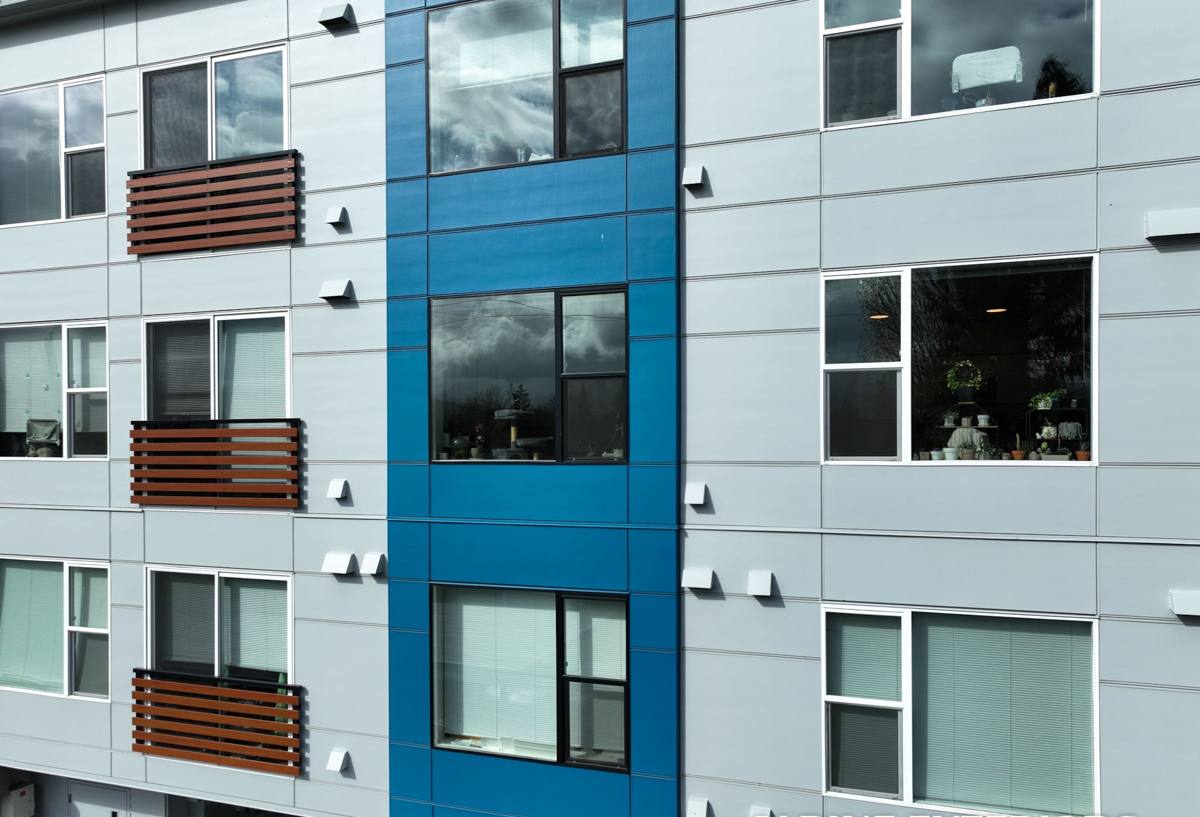
What Whatcom County Weather Does to Windows Over Time
Every window installation is a bet on how well the assembly will manage water and moisture over the life of the product. In Everson, that bet has higher stakes because of three overlapping factors.
Salt Air and Metal Fatigue
Proximity to the coast means airborne salt finds its way onto exterior surfaces, including window hardware, screen frames, and fasteners. Lower-grade metal components corrode faster in this environment. Over years, corroded hinges, latches, and cranks bind up or fail, and corroded fasteners can loosen, which opens tiny gaps for water to exploit.
Driving Rain and Wind-Driven Moisture
This isn't gentle, straight-down rainfall. Storms here regularly push rain sideways against west- and south-facing walls. That means water is actively driven against and around the window unit, not just falling past it. Flashing details and sill pans that would be adequate in a calmer climate get overwhelmed here if they're not done right.
Moss and Prolonged Surface Moisture
A long moss season means more months where exterior surfaces near windows stay damp rather than drying out between rain events. Moss holds moisture against trim and siding, which extends the time wood and composite materials sit wet. If a window's flashing or caulking has any gap, moss-prone conditions give water more time to find it and work its way in.
Signs an Everson Home Needs New Windows
Homeowners often wait too long because window problems don't announce themselves loudly. Watch for these signs, especially on walls that face prevailing weather:
- Fogging or a persistent haze between panes of double- or triple-glazed glass — this means the seal has failed and the gas fill is gone
- Soft or discolored wood on the interior sill or exterior trim
- Windows that are difficult to open, close, or lock, especially after damp weather
- Visible daylight or a draft around the frame when the window is shut
- Paint that bubbles, peels, or won't hold near the window edges
- Moss or dark streaking building up on the sill or the wall just below the window
- A noticeable rise in heating costs with no other explanation
Any one of these on its own might just need a repair. Several together, especially on the same window, usually means the unit or its installation has reached the end of its useful life.
What a Correct Window Installation Actually Involves
The window itself only accounts for part of how well it performs. The installation detailing around it does the rest, and this is where most of the long-term problems in this climate actually start.
Removal Without Hidden Damage
Old windows come out carefully so we can inspect the rough opening underneath. This is often the first time a homeowner finds out whether there's already moisture damage to the framing — something that has to be addressed before a new window ever goes in, not covered over.
Sill Pan Flashing
A sloped, sealed sill pan under the window is non-negotiable in a climate with this much wind-driven rain. It gives any water that does get past the exterior seal a way to drain back out instead of soaking into the framing below.
Weather-Resistive Barrier Integration
Flashing tape and the window's nailing flange have to integrate correctly with the house wrap or building paper already on the wall, shingled so water is always directed outward and downward, never trapped behind a layer that traps it against the sheathing.
Air Sealing and Insulation
The gap between the window frame and the rough opening gets sealed with a proper low-expansion foam or backer rod and sealant — not stuffed with fiberglass batting, which does nothing to stop air or moisture movement.
Exterior Trim and Caulk Detail
The finish caulking at trim joints is what homeowners see, but it's the last line of defense, not the first. We use it as a supplement to the flashing system underneath, not a substitute for it.
Our Window Installation Process in Everson
- On-site assessment. We look at existing window condition, framing, orientation to prevailing weather, and any signs of past water intrusion before recommending anything.
- Product selection. We walk through frame material, glass package, and hardware options suited to this specific home and its exposure.
- Written estimate. A clear scope and price before any work starts — no surprise add-ons discovered mid-project.
- Careful removal and opening inspection. Any hidden rot or damage gets flagged and addressed as part of the job, with the homeowner informed before we proceed.
- Installation with full flashing and air-sealing detail. Sill pan, integrated flashing, foam or backer rod sealing, and correctly fastened, plumb, level, square units.
- Interior and exterior finish work. Trim, caulking, and paint-ready or paint-matched surfaces.
- Final walkthrough. Every window operated, checked, and reviewed with the homeowner before we call the job done.
Choosing the Right Frame Material for This Climate
Frame material matters more in a coastal, high-moisture climate than it does in a dry inland one. Here's how the common options compare for an Everson home:
| Material | Moisture & Salt Air Performance | Maintenance | Typical Lifespan |
|---|---|---|---|
| Vinyl | Won't corrode or rot; performs well in salt air and rain | Low — occasional cleaning | 20–30+ years |
| Fiberglass | Excellent moisture and temperature stability, very low expansion/contraction | Low | 30–40+ years |
| Wood (unclad) | Attractive but vulnerable to prolonged damp and moss-holding conditions without diligent upkeep | High — regular painting/sealing required | Varies widely with maintenance |
| Wood-clad (vinyl or aluminum exterior) | Good — cladding shields the wood core from direct weather exposure | Moderate | 25–35 years with intact cladding |
| Aluminum | Prone to corrosion near salt air unless marine-grade and properly finished | Moderate | Varies; corrosion risk highest of this group here |
For most Everson homes, vinyl or fiberglass frames give the best balance of weather resistance and low upkeep. We still install wood and wood-clad options when a homeowner wants that look and understands the maintenance commitment — we just make sure they go in with the water management detail this climate requires.
Glass Packages Worth Considering
Double-pane, low-E, argon-filled glass is the standard baseline for this region and handles our temperature swings and humidity well. Triple-pane adds further insulation and sound reduction, which is worth it for homes on busier roads or for owners prioritizing energy performance, but it comes at a higher cost and added weight that not every frame or opening needs.
What Drives the Cost of a Window Installation
Every job is different, but the main variables that move the price are consistent. We go over all of these during the estimate so there are no surprises.
| Factor | Why It Matters |
|---|---|
| Number and size of windows | More units and larger openings mean more material and labor |
| Frame material | Vinyl is typically the most economical; fiberglass and wood-clad cost more upfront |
| Existing wall condition | Rot or moisture damage found during removal adds repair scope |
| Wall exposure | Walls facing prevailing wind and rain often warrant extra flashing detail |
| Glass package | Triple-pane and specialty coatings add cost over standard double-pane low-E |
| Access and story height | Second-story or hard-to-access windows take more time and equipment |
We'd rather give an honest range up front and adjust it transparently if we find hidden damage than lowball a number and surprise you later.
Why a Crew That Already Works Everson Matters
Window installation looks the same on paper everywhere in Washington. In practice, a crew that regularly works Whatcom County knows which wall orientations in this area take the worst of the weather, how much flashing detail is actually needed versus code minimum, and what moss and moisture do to trim over a few seasons if it isn't detailed right the first time. That local pattern recognition is the difference between a window that's still tight in fifteen years and one that's showing rot behind the trim in five.
We also understand the practical side of working here: weather windows for exterior work, how to sequence a job so openings aren't left exposed longer than necessary, and how to protect landscaping and interior spaces during the swap.
Maintaining New Windows in a Coastal, Rainy Climate
A correctly installed window still benefits from basic upkeep in this environment:
- Rinse salt residue and grime off exterior frames and hardware a couple of times a year
- Keep moss and debris cleared from sills, tracks, and nearby trim
- Check and re-lubricate hardware annually so it doesn't seize or corrode unnoticed
- Inspect exterior caulking yearly and touch up any cracking before the wet season
- Make sure gutters and downspouts near windows are clear so water isn't sheeting across the wall
None of this is demanding, but skipping it lets small issues turn into water intrusion faster here than in a drier climate.
Get a Free, No-Pressure Estimate
If your Everson home has windows that are fogging, sticking, drafty, or just old enough to worry about, we're happy to take a look and give you a straight assessment — no obligation and no pressure. Fill out the form below and we'll get in touch to schedule a time that works.