 Blaine Siding
 Building New in Birch Point Means Building for the Water
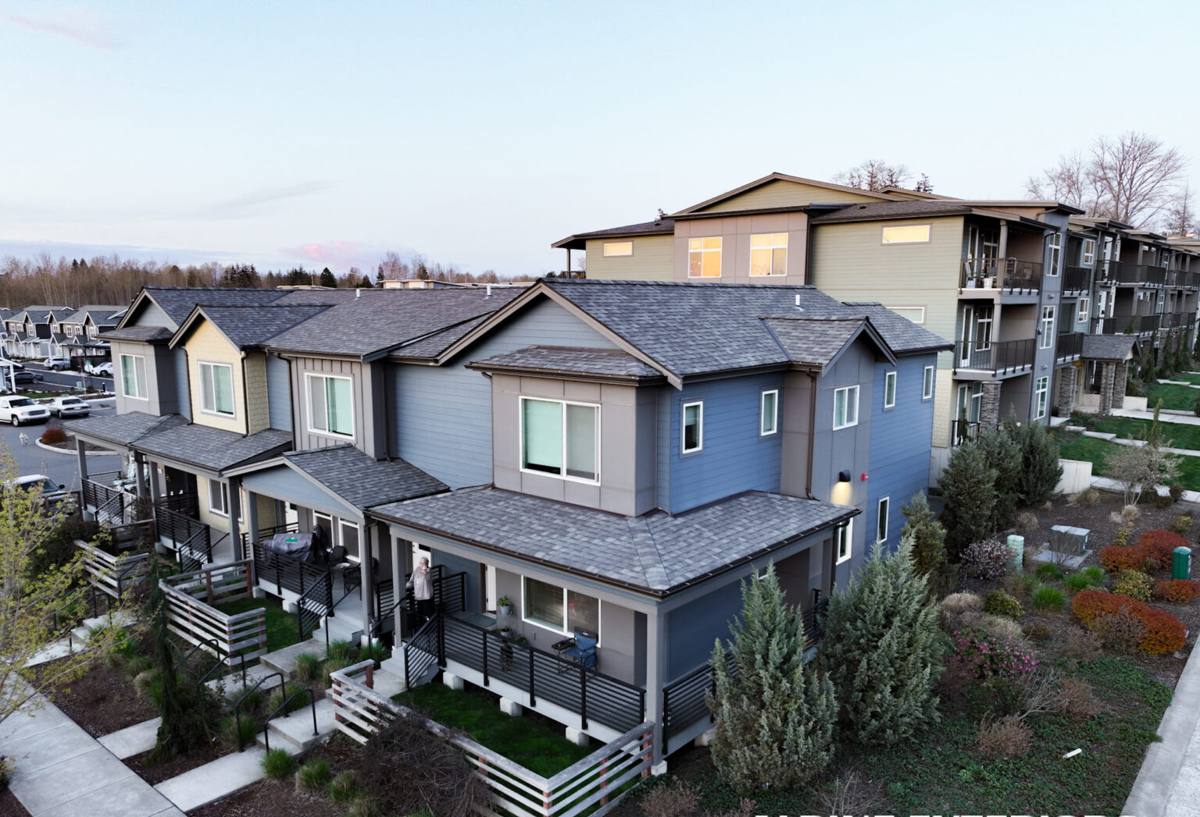
Birch Point sits close enough to the water that salt air, wind-driven rain, and constant moisture are part of daily life for any home built there. When you're framing a new house or a major addition in this part of Blaine, the windows you choose and how they're installed matter more than almost any other exterior decision. Get it right during new construction and you won't think about your windows again for decades. Get it wrong and you're chasing leaks, fogged glass, and rotting trim within a few years.
New construction is the easiest time to do this correctly. The wall is open, the flashing sequence can be built in from the studs out, and there's no old window to work around. It's also the only time you get a truly clean shot at doing the job right without cutting into finished siding or interior walls later. We treat new-construction window installs in Birch Point as a system — window unit, flashing, house wrap, and siding all working together — not just a box getting set into a rough opening.
What Birch Point's Climate Actually Does to Windows
Whatcom County's marine climate is generally mild, but Birch Point's proximity to the water adds a few specific stresses that inland Blaine homes deal with less:
- Salt-laden air accelerates corrosion on window hardware, screen frames, and any exposed fasteners that aren't rated for coastal exposure.
- Driving, wind-blown rain hits windows at an angle instead of falling straight down, which puts far more stress on flashing and sealant details than a typical rain event.
- A long, damp moss and algae season that runs much of the year keeps surfaces wet longer, which means any window opening with even a small flashing gap stays wet longer too — that's exactly the condition that leads to hidden rot in the wall framing around a window, not just cosmetic staining.
None of this means Birch Point is a hard place to build. It means the window install has to account for sustained moisture exposure rather than assuming occasional rain like a drier inland climate would.
Why "Waterproof Enough" Isn't the Right Standard
Most residential windows are rated to shed water under normal exposure, but "normal" is defined for typical U.S. weather, not a site that gets driving rain off the water for a good part of the year. The fix isn't necessarily a more expensive window — it's a flashing and sealing detail built for the exposure this specific lot gets, plus hardware and cladding materials chosen with salt air in mind.
What a Correct New-Construction Window Install Involves
New-construction windows are installed with a nailing flange that gets integrated directly into the wall's water management system, before siding goes on. The sequence matters as much as the window itself:
- Rough opening prep — checking the opening is square, level, and sized correctly before the window ever shows up on site.
- Sill pan flashing — a sloped, sealed pan at the bottom of the opening so any water that gets past the window has a path back out, instead of sitting on the sill and soaking into framing.
- Window set and shim — the unit is set plumb, level, and square, then shimmed at the correct points so the frame doesn't rack or bind.
- Flange integration with house wrap — side and top flanges are taped and lapped with the weather-resistive barrier in the correct order (bottom to top, like shingles) so water is always directed outward and down.
- Head flashing — a separate flashing above the window that sheds water away from the top of the opening before it ever reaches the flange.
- Sealant at the right points only — sealed where it needs to stop water, left open where the assembly needs to drain or breathe. Sealing every seam solid is a common mistake that traps moisture instead of letting it escape.
Skip or shortcut any one of those steps and the window itself becomes irrelevant — water will find the gap in the system, not the gap in the glass.
Window and Material Choices That Hold Up Near the Water
For a Birch Point new build, we steer clients toward a few practical decisions:
| Choice | Why it matters here |
|---|---|
| Corrosion-resistant hardware (hinges, cranks, locks) | Standard hardware can pit and stick faster in salt air; upgraded hardware costs a little more up front and avoids sticky or seized operation later. |
| Fiberglass or vinyl frames over bare wood exteriors | Lower maintenance in a climate where painted wood needs frequent upkeep to keep moisture out. |
| Full-perimeter flashing tape, not spot-sealing | Driving rain finds partial flashing jobs; a continuous flashing plane doesn't give it anywhere to enter. |
| Drainage-plane house wrap behind siding | Gives any moisture that does get past the cladding a way out, rather than trapping it against the sheathing. |
| Wider drip caps / head flashing extensions | Throws wind-driven rain further from the wall face, which matters more on exposures that catch weather off the water. |
None of these are exotic upgrades — they're the same window lines used across Whatcom County, specified and installed with the added exposure in mind.
Moss, Algae, and Long-Term Window Performance
Moss and algae don't damage window glass or frames directly, but they cause two real problems on new builds near the water:
- Growth on nearby siding, trim, or roofing can hold moisture against window flashing longer than it would otherwise sit, slowly working at sealant joints over years.
- Debris and organic buildup in window tracks and weep holes — the small drainage openings at the bottom of a window — can block them, so water that's supposed to drain back out gets trapped instead.
We keep weep holes clear and unobstructed during install and make sure trim details around the window don't create ledges where moss and debris collect right above the frame.
Why the Install Crew Matters More Than the Window Brand
We've said it above but it's worth being direct about: a well-reviewed, expensive window installed with a rushed or generic flashing job will leak. A mid-range window installed correctly, with flashing and sealing built for Birch Point's exposure, will outperform it for decades. The window is a product; the installation is a system, and the system is where most long-term problems actually start.
A crew that's worked new construction in Birch Point specifically has already seen how wind and rain behave on lots close to the water, which walls take the worst of it, and where moss tends to build up first. That's not something you can fully substitute with a manufacturer's install manual — it comes from having done the work on this stretch of coastline before.
Questions Worth Asking Any Contractor Before You Hire
- Do you install a dedicated sill pan flashing, or just caulk the sill?
- What house wrap and flashing tape system do you use, and is it rated for this exposure?
- How do you handle weep holes and drainage during install?
- Can you walk me through your flashing sequence step by step?
- Have you worked on other builds in Birch Point or similar water-exposed sites in Blaine?
How Our Process Works
For a new-construction project in Birch Point, our process is straightforward:
- Site visit and plan review — we look at the build plans, the lot's specific exposure to wind and water, and the wall assembly being used.
- Window and hardware recommendations — matched to the home's design and the site's exposure, not a one-size-fits-all package.
- Coordinated install timing — windows go in at the right point in the build sequence, integrated with house wrap and flashing before siding closes the wall up.
- Flashing and sealing to a written sequence — not left to individual judgment on site, so every opening gets the same correct detail.
- Final walk-through — checking operation, seals, and drainage before we call the job done.
What This Costs to Get Right
New-construction window costs depend on the number of openings, window size and style, frame material, and hardware level — there's no single number that fits every build. What we can say is that the flashing and installation labor to do the job correctly adds relatively little to the overall cost of a new build, especially compared to the cost of opening up a wall to fix water damage later. Budgeting a bit more for corrosion-resistant hardware and a full flashing system up front is far cheaper than a callback years down the road.
Get a Straight Answer for Your Build
If you're framing a new home or addition in Birch Point, we're glad to walk your site, look at your plans, and give you a straightforward estimate — no pressure, no upsell. Use the form below to request a free estimate and we'll get back to you to talk through what your build needs.