 Blaine Siding
 Siding Repair for Dakota Creek Homes
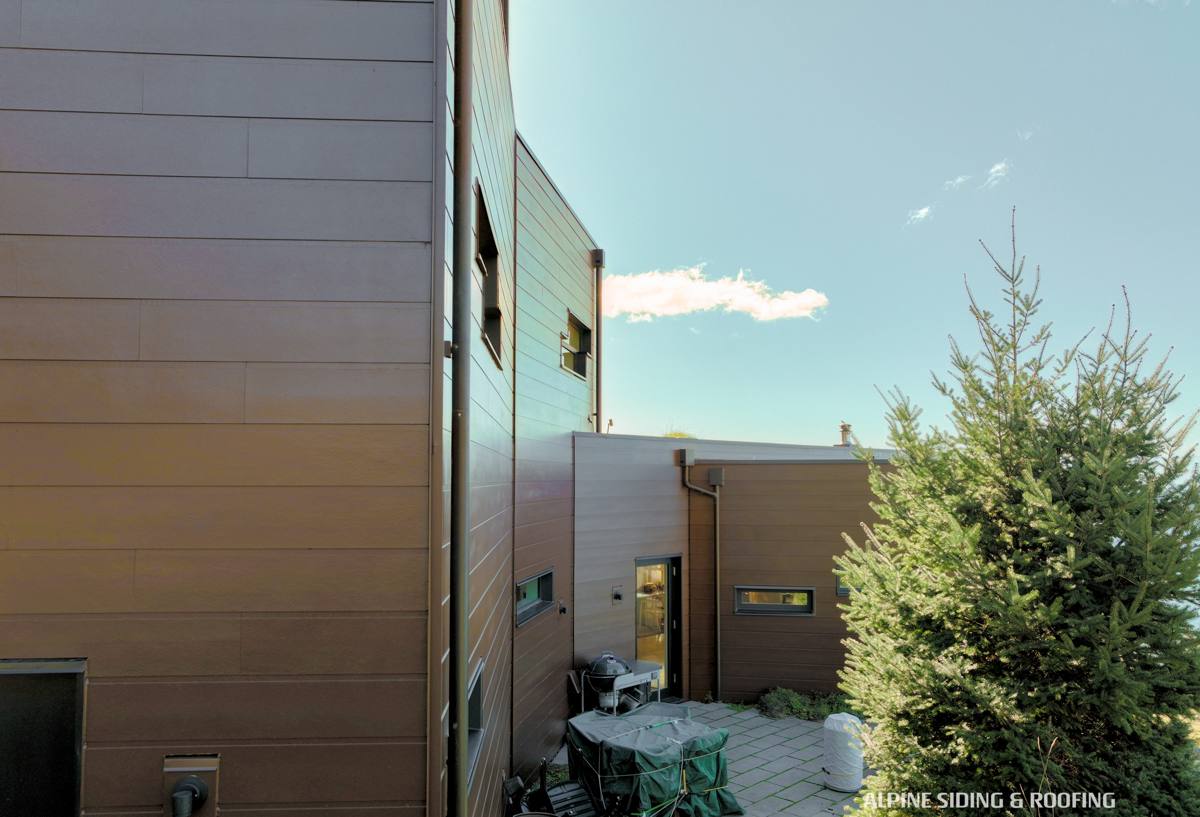
Dakota Creek sits in that stretch of Whatcom County close enough to Blaine and the water to feel the same coastal weather pattern that shapes the whole area — salt-laden air, wind-driven rain off the Strait, and a moss season that barely lets up. Siding here doesn't fail the way it does in a drier inland climate. Damage tends to start small, hidden behind a panel joint or under a shaded eave, and by the time it's visible from the yard, moisture has usually already been working on the sheathing underneath for a while. This page covers what siding repair actually involves for a Dakota Creek property, how we approach it, and why a crew that already works this specific area catches problems that a one-time visitor might miss.
Repair is a different job than replacement, and it deserves its own honest evaluation rather than getting treated as a smaller version of a full re-side. Sometimes a targeted repair is genuinely the right call. Sometimes what looks like a small patch job turns out to be the visible edge of something bigger. We tell homeowners which situation they're in before any work starts, not after.
How Dakota Creek's Climate Damages Siding
Salt Air Working on Fasteners and Seams
Proximity to the water means salt-laden air is a near-daily presence, not an occasional weather event. It accelerates corrosion on fasteners, trim hardware, and any exposed metal flashing, and corroded fasteners are one of the most common root causes we find behind a section of siding that's come loose or is sitting slightly proud of the wall. Once a fastener corrodes and loses its grip, that panel starts flexing in wind, which opens the seam wider and lets more moisture in behind it — a cycle that gets worse, not better, the longer it's left alone.
Driving Rain Finding the Weak Points
Rain in this area rarely falls straight down. Wind off the water pushes it sideways into panel joints, exposed end cuts, and the transitions where trim meets siding or siding meets the roofline. Those are exactly the spots where a repair — done without attention to proper flashing and caulking detail — tends to fail again within a season or two. A repair that only addresses the cosmetic damage and ignores the water path behind it isn't really a repair, it's a delay.
A Long Moss and Mildew Season
Mild temperatures combined with near-constant moisture keep moss and mildew active on shaded and north-facing walls for most of the year around Dakota Creek, especially on tree-covered lots. Moss holds moisture directly against the siding surface, and on any material that's even slightly porous, that sustained contact accelerates surface breakdown and can telegraph moisture into the substrate below. A patch of damaged siding on a shaded wall is worth checking even if the rest of the house looks fine, because the growing conditions on that one wall are different from the rest of the property.
Common Repair Issues We See in Dakota Creek
| Issue | What's usually behind it |
|---|---|
| Loose or bowed panels | Corroded or failed fasteners, often from long-term salt air exposure |
| Soft or spongy sections | Trapped moisture reaching the sheathing through a compromised seam or flashing detail |
| Cracked or chipped panels | Impact damage, freeze-thaw stress on an already-compromised section, or age-related brittleness on older non-Hardie material |
| Persistent moss or dark staining | Shaded or poorly-ventilated wall sections holding moisture longer than the rest of the house |
| Gapped or failing caulk joints | Normal wear accelerated by sustained wind and moisture cycling, common at trim and window transitions |
| Rust streaking below fasteners or flashing | Corroding hardware, more common the closer a property sits to open water |
What a Correct Siding Repair Actually Involves
A repair that's done right addresses the cause, not just the visible symptom. That distinction matters more here than it does inland, because the same conditions that caused the original damage are still present and will find the next weak point if the underlying issue isn't fixed.
- Diagnose before touching anything. We identify why the damage happened — fastener failure, a flashing gap, trapped moisture, impact — before deciding on a repair approach.
- Check the sheathing. Any time siding comes off for repair, we look at what's underneath. Soft or discolored sheathing needs to be addressed before new siding goes back on, or the repair is just covering a problem that will resurface.
- Match the material correctly. On a home already sided in James Hardie, replacement panels and trim come from the same product line so profile, thickness, and finish match. On a home in a different material, we'll walk through what a proper repair or a targeted transition to Hardie would involve.
- Fix the water path, not just the panel. Flashing, house wrap, and caulking at the repair site get restored to spec, not just patched over.
- Re-fasten to spec. Corrosion-resistant fasteners, placed and spaced correctly, so the repair doesn't create the same failure point again in a few years.
Repair or Replace — How We Help You Decide
Not every damaged section means the whole house needs new siding, and we don't push a full replacement when a targeted repair genuinely solves the problem. A few factors that go into that call:
- Extent of the damage. A handful of isolated sections on an otherwise sound home usually points to repair. Damage spread across multiple walls, especially water-facing ones, points toward a broader problem.
- Condition of the sheathing. If moisture has reached the sheathing in more than one spot, that's a sign the whole assembly may be compromised, not just the panels on the surface.
- Age and material of the existing siding. Siding past 20-25 years old, or installed in a material more moisture-sensitive than fiber cement, often has more damage developing than what's currently visible.
- Whether matching material is realistically available. Discontinued colors or profiles can make a clean repair difficult, which sometimes tips the decision toward replacing a full wall section or elevation instead of chasing a mismatched patch.
We lay out that reasoning plainly during the estimate, including when the honest answer is that repair is the right call and a full replacement would be an unnecessary expense.
Why We Repair With James Hardie Fiber Cement
We install and repair siding using James Hardie fiber cement exclusively — we don't install LP SmartSide, vinyl siding, Cemplank, Allura, primed spruce, or cedar. That standard applies to repair work as much as full installs, and it matters even more when a home already has Hardie siding on it, because staying within the same product line keeps the repair consistent in appearance and performance with the rest of the house.
For homes currently sided in a different material, we'll be straightforward about the trade-offs: vinyl can become brittle and hard to color-match after years of UV and salt exposure; engineered wood products are more moisture-sensitive at cut edges and fastener points; painted wood siding needs an ongoing maintenance cycle that gets harder to keep up with in this climate. None of that means those materials are junk — plenty of homes get by fine on them elsewhere. It means that on a Dakota Creek property dealing with this much sustained moisture and salt exposure, fiber cement with a factory-applied ColorPlus finish and a climate-engineered HZ formulation holds up in a way we're willing to put our name behind, backed by one of the stronger transferable warranties in the industry when installed to spec.
Signs a Dakota Creek Home Needs a Siding Repair Assessment
- Panels that flex, rattle in wind, or sit slightly away from the wall
- Soft spots when pressed gently, especially near the bottom courses or around windows
- Visible cracking, chipping, or gaps at panel seams
- Rust streaking below fasteners, trim, or flashing
- Moss or dark staining that keeps returning on the same wall section despite cleaning
- Peeling or bubbling paint on painted wood siding near trim or window transitions
- Musty smell or staining on an interior wall that backs up to exterior siding
Any one of these is worth a professional look before the next wet season adds to whatever's already happening behind the wall.
Our Repair Process
Assessment
We look at the damaged area and the surrounding wall, check for soft spots or signs of moisture beyond what's visibly cracked or loose, and get a sense of how the damage likely started. On homes with multiple issues, we check other water-facing and shaded walls too, since damage in one spot often means similar conditions exist elsewhere on the same house.
A Straightforward Estimate
The estimate explains what we found, what caused it, and what the repair involves — including whether sheathing repair is likely needed once panels come off. No pressure toward a bigger job than the house actually needs.
The Repair Itself
Affected panels and trim come off carefully to avoid unnecessary damage to surrounding siding, sheathing gets inspected and repaired if needed, house wrap and flashing get restored to spec, and new material goes back on fastened correctly for this climate.
Final Check
Before we consider the job done, we walk the repair with the homeowner, confirm the fit and finish match the surrounding siding, and make sure the water path at the repair site is fully sealed and functioning.
Why a Local Crew Matters for Repair Work Specifically
Repair work rewards local familiarity more than a full replacement does, because diagnosing a repair correctly depends on recognizing patterns — which wall orientations fail first, which fastener types hold up and which don't, how a specific neighborhood's moss and moisture pressure compares to the rest of the region. Working this part of Whatcom County regularly means we've seen how Dakota Creek's proximity to the water plays out on real houses across multiple seasons, not just on the day of a single inspection. That background shapes better repair decisions, and it also means that if a question comes up after the work is done, it's a call to a crew still working in the same area.
If you're dealing with damaged, loose, or aging siding on a Dakota Creek home, we're glad to come take a look and give you a straightforward, no-pressure estimate on what it would take to fix it right. Reach out using the form below to get started.