 Blaine Siding
 Siding Repair in Custer Calls for a Different Approach
Custer sits back from the water compared to downtown Blaine, but it doesn't escape the weather that defines this stretch of Whatcom County. The same marine air that rolls in off the Strait carries salt inland, the same storm systems dump driving, wind-pushed rain against exterior walls for days at a time, and the same long stretch of grey skies from fall through spring keeps shaded siding damp far longer than homeowners in drier climates ever have to think about. Add in the tree cover and open farmland typical around Custer, and you get a moss and algae season that can run most of the year on north- and west-facing walls.
Siding repair here isn't just about patching what's visibly broken. It's about understanding why that section failed in the first place, so the fix doesn't just buy you another year or two before the same spot fails again.
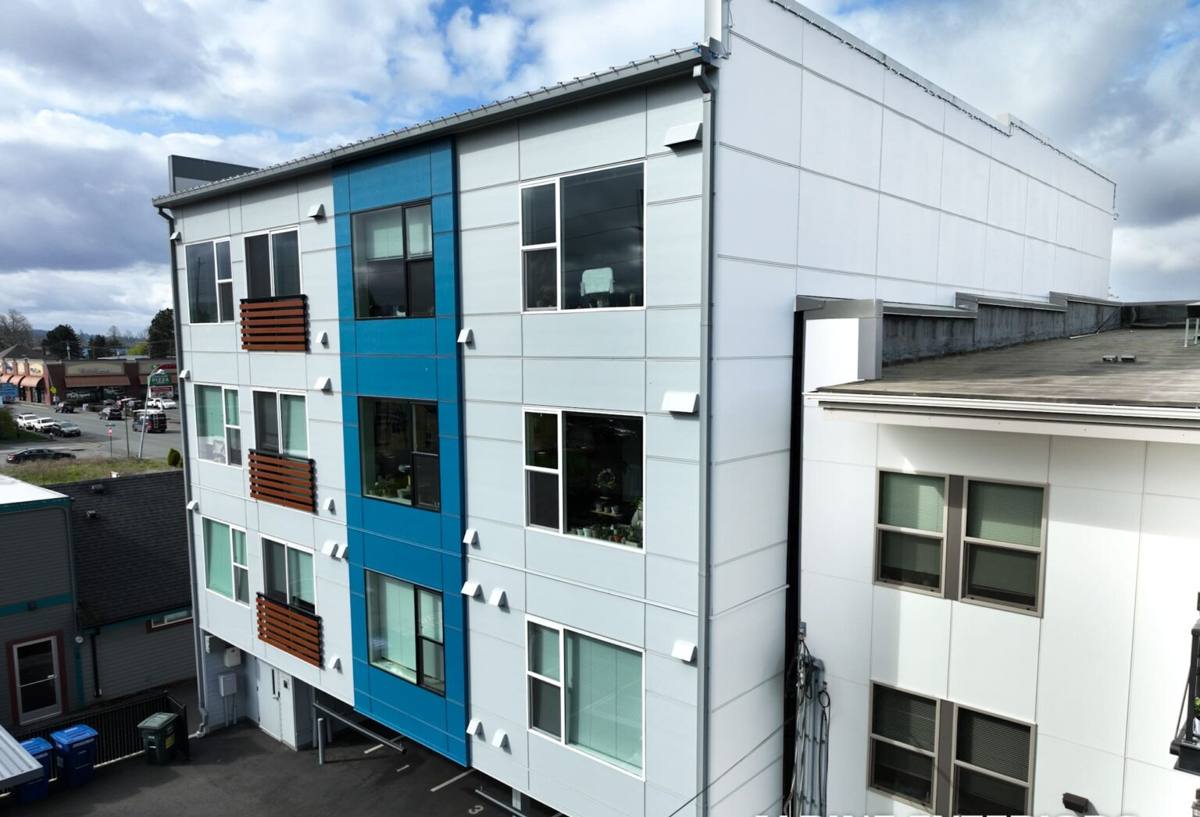
Signs Your Custer Home's Siding Needs Repair
Most siding problems don't announce themselves with a hole in the wall. They show up as smaller signals that are easy to write off as cosmetic — until the damage underneath has spread. Walk your exterior and look for:
- Soft or spongy spots when you press on the siding by hand
- Paint that's peeling, bubbling, or won't hold a fresh coat no matter how well it's prepped
- Visible cracks, especially near butt joints, corners, and fastener points
- Dark streaking or green-black growth that comes right back a few months after cleaning
- Gaps or separation where siding meets trim, window casings, or door frames
- Swelling, warping, or delamination along the bottom edge of boards
- A musty or rotten smell near hose bibs, downspouts, or where the roofline meets a wall
Any one of these, on its own, might be minor. Two or three together, especially on the same elevation, usually means water has been getting behind the siding for a while.
What's Actually Causing the Damage
Moisture Behind the Siding
Siding's real job isn't to be waterproof on its own — it's to work with the flashing, house wrap, and drainage plane behind it to manage water that inevitably gets past the surface. When a seam opens, a piece of flashing was installed wrong, or caulk that was never meant to be a long-term water barrier finally fails, water gets trapped between the siding and the wall sheathing. In a climate with as much driving rain as Custer sees, that trapped moisture doesn't dry out quickly. It sits, and it does its damage slowly.
Moss and Organic Growth
Moss doesn't just look bad — it holds water against the siding surface far longer than bare material would, and its root structure works into seams, joints, and any place the paint film is already compromised. On shaded walls around Custer's tree-lined properties, moss can re-establish within a season of being cleaned off if the underlying moisture problem isn't addressed.
Salt Air and Fasteners
The salt content in the marine air along this part of Whatcom County accelerates corrosion in metal fasteners, flashing, and trim pieces faster than it would inland. Corroding fasteners lose their grip, which loosens boards, which opens new gaps for water — a slow-moving cycle that's easy to miss until a board is loose enough to move by hand.
What a Correct Repair Actually Involves
Finding the Real Source, Not Just the Symptom
A repair that only addresses the visible damage — cutting out a rotten board and nailing up a new one — without figuring out why that board failed is a repair that's likely to fail again in the same spot. Before any board comes off, we look at what's happening behind it: the condition of the house wrap, whether flashing was installed correctly at the point of failure, and whether the damage is isolated or part of a wider pattern on that wall.
Getting the Water Management Details Right
This is the part of a repair that never shows once the job is done, and it's the part that determines whether the repair actually lasts. That means correcting flashing laps, sealing penetrations properly, and making sure the drainage plane behind the new siding is intact — not just caulking over a problem and hoping it holds.
Matching Material and Finish
A patch that doesn't match the surrounding siding in profile, reveal, or color sticks out and telegraphs that a repair happened. Getting a clean match — particularly on color — takes the right product and the right process, which is a big part of why we standardized on one system rather than repairing whatever happens to already be on the house.
Repair vs. Replacement: How We Decide
Not every damaged section calls for a full re-side, and not every problem can be solved with a patch. We look at a handful of factors before recommending one path over the other:
| Factor | Points Toward Repair | Points Toward Full Replacement |
|---|---|---|
| Extent of damage | Isolated to one or two sections | Spread across multiple walls or elevations |
| Underlying material | Sound siding elsewhere, good original install | Widespread moisture damage to sheathing or framing |
| Age of existing siding | Relatively recent, still under useful life | At or past the end of its expected service life |
| Color and material match | Close match available or repair area is inconspicuous | Product discontinued or mismatch would be highly visible |
| Root cause | Isolated flashing or fastener failure | Systemic water management or original install problems |
We'll walk you through which category your home falls into and why, in plain terms, before any work starts.
Why We Only Repair With James Hardie Fiber Cement
We don't stock or install vinyl, LP SmartSide, Cemplank, Allura, or primed wood siding, and that applies to repairs as much as it does to full re-sides. If your home already has one of those products, we'll be upfront that a true match on a small repair may not be realistic, and we'll walk you through your best options rather than force a mismatch or a product we don't stand behind.
On homes we've already sided or that already carry James Hardie, repairs go smoothly because the system is designed for it. Hardie's ColorPlus factory finish is engineered to be repairable and touched up in a way that field-painted finishes struggle to match, and the HZ5 product line most commonly used in this climate zone is built specifically for high-moisture, high-wind exposure — the exact conditions Custer and the rest of coastal Whatcom County deal with. Non-combustible, dimensionally stable fiber cement also holds up to repeated wet-dry cycling far better than the materials we've chosen not to install, which is a big part of why repairs on it tend to be the last repair that section of wall ever needs.
Our Siding Repair Process for Custer Homeowners
- Inspection. We look at the damaged area and the surrounding wall assembly, not just the spot you called about.
- Diagnosis. We identify the actual cause — flashing, fastener failure, moisture intrusion, or an install defect — before proposing a fix.
- Written scope. You get a clear explanation of what's being repaired, why, and what it will cost, before any work begins.
- Removal and correction. Damaged boards come off, the underlying house wrap and flashing are corrected, and the wall is properly prepped for new siding.
- Installation and match. New James Hardie material goes on to spec, with attention to fastening, gapping, and color match.
- Cleanup and walkthrough. We clear debris and walk the repair with you so you know exactly what was done.
Why Hiring a Crew That Already Works in Custer Matters
Homes around Custer see a mix of construction styles — older farmhouses, newer builds on larger lots, and everything in between — and each responds a little differently to the wind and moisture patterns coming off the Strait. A crew that regularly works this part of Whatcom County has already seen how those homes tend to fail, which speeds up diagnosis and cuts down on guesswork. It also means faster response when a repair needs attention before the next round of weather moves through, rather than waiting on a crew based well outside the area. And because we work under the same Whatcom County permitting and code requirements on every project, there's no learning curve slowing your repair down.
Keeping Repaired Siding Protected Going Forward
A correct repair should be close to a permanent fix, but a few habits help keep it — and the rest of your siding — in good shape through Custer's long wet season:
- Keep gutters and downspouts clear so water isn't sheeting down walls
- Trim back vegetation and tree limbs to let shaded walls get more air and light
- Do a visual walk-around each fall and spring, checking the same trouble spots
- Have moss and algae cleaned gently rather than pressure-washed directly into seams
- Address small caulk or paint failures early, before water gets behind the siding
If you're noticing any of the warning signs above, or just want a straight answer on whether a section of your siding needs a repair or something more, we're glad to take a look. Reach out for a free, no-pressure estimate using the form below.