 Blaine Siding
 Building on Semiahmoo Means Building for the Water
Semiahmoo sits out on its spit with water on multiple sides, which is exactly what makes it a beautiful place to build and exactly what makes window installation there unforgiving of shortcuts. Salt-laden air off the bay attacks exposed metal hardware and fasteners faster than it would a few miles inland. Wind-driven rain off Boundary Bay doesn't fall straight down — it gets pushed sideways into wall assemblies, which means window flashing details that would pass fine in a drier climate can fail here within a few seasons. And Whatcom County's long, damp shoulder seasons keep everything green with moss and algae longer than most of the state, which matters more for cladding than glass but still tells you what kind of climate you're building into.
For a new-construction window, none of this is decorative concern — it's structural. A window opening is the single most common place where a new build starts leaking, and on a site exposed the way Semiahmoo is, a marginal install shows its problems early instead of years down the road.
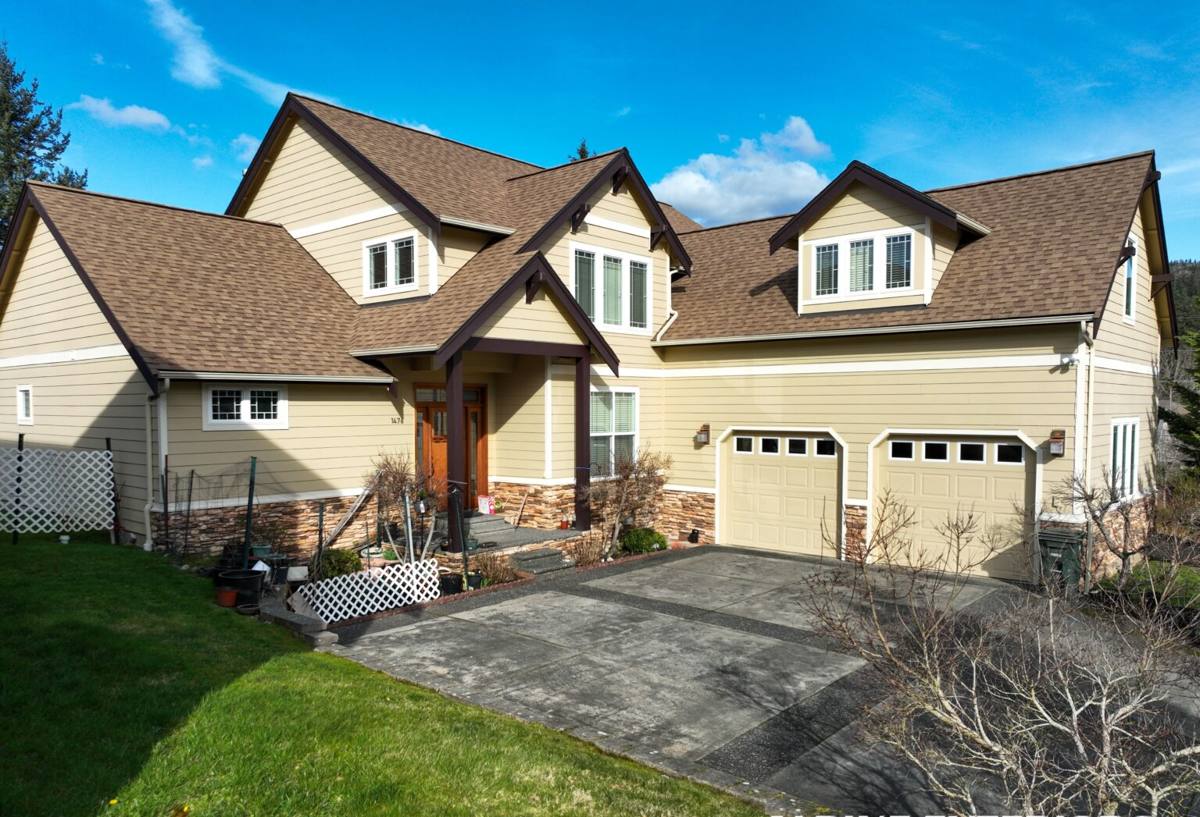
What "New-Construction" Windows Actually Means
New-construction windows are built with a nailing flange (fin) around the perimeter of the frame, meant to be installed into a stud opening before siding goes on, integrated directly with the weather-resistive barrier (WRB) and flashing. This is different from a replacement or "pocket" window, which is designed to slide into an existing frame during a remodel without disturbing the surrounding wall. If your project is ground-up new construction, an addition, or a full wall reframe, new-construction units are almost always the right call — they give us full access to build the water management detailing from scratch, which is exactly where we want control on a site like this.
Why the Distinction Matters Here
On a coastal lot, the flashing and sill pan work around a new-construction window is doing more of the job than the window itself. A quality window with a mediocre flashing job will leak. A modest window with correct flashing, integrated properly with the WRB and building paper laps, will perform for decades. We've seen both outcomes on Whatcom County builds, and the difference always traces back to sequencing, not the window brand.
Choosing a Window Line for Coastal Exposure
There's no single "best" window for Semiahmoo — the right choice depends on budget, the home's design, and how exposed the specific elevation is to prevailing wind and rain. What we steer clients toward is frame material and hardware that hold up to salt air without high maintenance demands, since nobody wants to be re-caulking or replacing corroded hardware every few years on a house that's supposed to be low-maintenance.
| Frame Material | Coastal/Salt-Air Performance | Maintenance | Typical Fit |
|---|---|---|---|
| Vinyl | Good — won't corrode or rot; UV-stable formulations hold color | Low | Value-focused builds, rentals, most elevations |
| Fiberglass | Very good — dimensionally stable, resists salt and moisture well, minimal expansion/contraction | Low | Exposed elevations, larger openings, long-term owners |
| Wood-clad (exterior clad, wood interior) | Good if cladding and joints are properly sealed; interior wood needs protection from any interior condensation | Moderate | Homes prioritizing interior wood aesthetics |
| Aluminum (uncoated or poorly coated) | Poor — bare or thinly coated aluminum hardware and frames corrode quickly in salt air | High | Generally avoided on exposed coastal walls |
Hardware matters as much as frame material. We look for stainless or marine-grade corrosion-resistant hinges, locks, and fasteners on any window going into a wall that faces open water or prevailing wind — standard-grade hardware is often the first thing to fail on a coastal install, well before the frame or glass show any wear.
The Installation Sequence We Won't Skip
A correct new-construction window install follows a specific order, and on an exposed site like Semiahmoo, skipping or rushing any step is where future leaks start. This is the sequence we hold to on every opening:
- Rough opening checked for square, level, and correct dimensions before the window ever shows up on site
- Sill pan flashing installed first, sloped to drain outward, so any water that gets past the window has somewhere to go besides the wall cavity
- Window set, shimmed for level and square, and fastened per the manufacturer's schedule — not just "enough nails to hold it"
- Flange integrated with the WRB in proper shingle-lap order: sides first, then top, so water always sheds down and out over each layer below it
- Head flashing installed above the window, extending past both jambs
- All penetrations and transitions sealed with compatible sealant — not whatever tube happens to be on the truck
- Interior air-sealing addressed separately from exterior water management, since they solve different problems
Why We Don't Rush Flashing to Save a Day
On a driving-rain, salt-air site, the flashing sequence is the part of the job nobody sees once siding goes up — and it's the part that determines whether the window opening is dry in five years or rotting out the wall framing around it. We'd rather take the extra time on this step than get called back for a leak repair that costs the homeowner far more than the day saved.
How Our Process Works on a Semiahmoo Job
Site Assessment
Before we quote anything, we walk the specific elevations that'll see the most wind and rain exposure — usually whichever faces open water or the prevailing weather — and plan flashing and window selection accordingly. Not every wall on a Semiahmoo home needs the same level of detailing, but the exposed ones don't get a standard inland approach.
Coordination with Builders and GCs
On new construction, window installation has to land at the right point in the framing-to-siding sequence. We work directly with the general contractor or builder's schedule so the rough openings are ready, the WRB is in place before we start, and siding crews aren't waiting on us or vice versa. Miscommunication at this handoff is one of the most common causes of poor window installs on new builds, regardless of who's doing the work.
Inspection Before We Close It Up
Every window gets checked for level, square, proper shim placement, and correct flashing lap before siding covers it. Once the wall's closed up, fixing a flashing mistake means tearing back into finished exterior — so we check while it's still open and cheap to fix.
Mistakes We See on Coastal Builds
Most window problems on Whatcom County homes near the water trace back to a handful of repeatable errors: flashing installed in the wrong lap order so water gets funneled into the wall instead of away from it, sill pans skipped entirely on the assumption that "the window seals fine on its own," standard hardware used on an exposed elevation where it corrodes within a few years, and window units sized or ordered without accounting for the specific rough opening tolerances a builder's framing actually produced. None of these are exotic failures — they're basic sequencing and material choices that get rushed on a tight schedule.
Maintenance After Installation
A correctly installed new-construction window in this climate shouldn't need much attention, but a few habits extend its life:
- Rinse salt residue off exterior frames and hardware periodically, especially on elevations facing open water
- Check exterior caulk lines and sealant joints once a year for cracking or separation
- Keep gutters and downspouts clear so roof runoff isn't dumping extra water onto window heads
- Watch for moss or algae buildup on adjacent siding or trim, which holds moisture against the wall longer than bare material would
- Operate hardware (locks, cranks, hinges) periodically even on windows that aren't used often, so corrosion doesn't set in unnoticed
What Affects Cost on a Semiahmoo Window Package
We won't quote a number without seeing the job, but a few factors consistently move the price on new-construction window packages in this area: the number and size of openings, frame material chosen, how exposed the elevations are (which affects flashing complexity and hardware grade), whether the job is coordinated tightly with a builder's schedule or standalone, and access — some Semiahmoo lots have tighter site conditions than others. None of these are things we pad; they're the actual drivers of labor and material time.
Why a Crew That Already Works Semiahmoo Matters
Window installation done to a generic standard often performs fine for a while in a mild inland location and then underperforms on an exposed coastal site because the flashing detailing wasn't built for that level of wind-driven rain. A crew that's worked this specific stretch of Whatcom County coastline already knows which elevations on a Semiahmoo lot typically take the worst weather, which hardware grades hold up, and how the local building department expects flashing and moisture barrier details documented. That's not something you get from a manufacturer's install manual alone — it comes from having done the work here before.
If you're planning new construction, an addition, or a major remodel on the Semiahmoo peninsula, we're happy to walk the site and give you a straightforward, no-pressure estimate on window selection and installation — just fill out the form below.