 Blaine Siding
 Roofing in Sandy Point Means Building for Salt Air, Rain, and Moss
Sandy Point sits close enough to the water that salt-laden air is a daily fact of life, not an occasional nuisance. Add Whatcom County's long wet season, driving rain off the water, and shaded lots where moss thrives for most of the year, and you have a roofing environment that is genuinely harder on materials than what you'd find twenty miles inland. An asphalt shingle roof that's installed correctly for these conditions can give a homeowner decades of reliable service. One that's installed generically, without accounting for the salt, the wind-driven rain, and the moss, tends to show problems years earlier than it should.
This page is about that one job, done right, in this one neighborhood: asphalt shingle roofing for Sandy Point homes. Not a general overview of every roofing product we offer — the specific decisions, materials, and installation details that matter here.
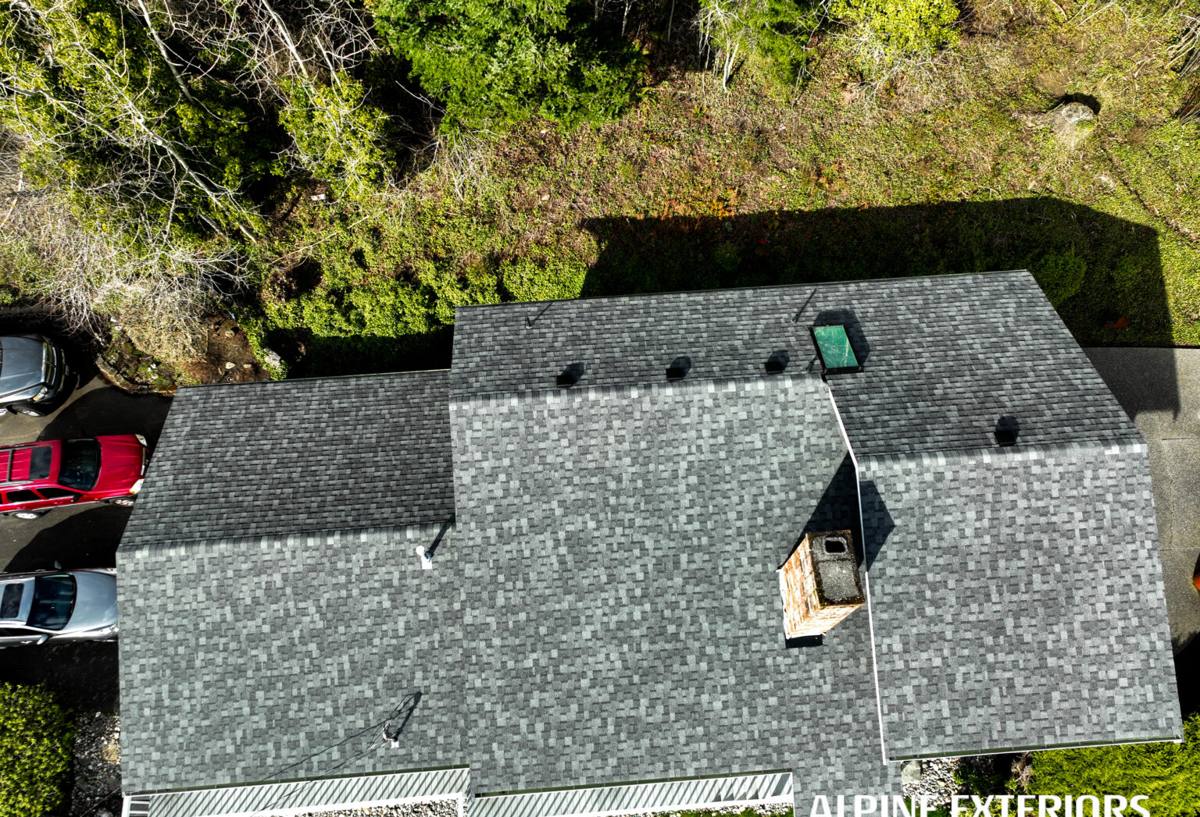
What Sandy Point's Climate Actually Does to a Roof
Salt air and metal components
Salt in the air accelerates corrosion on any exposed metal — fasteners, flashing, vent caps, and drip edge. Standard galvanized components can start showing rust streaks and pitting well before the shingles themselves are due for replacement. Once flashing corrodes at the seams, water finds its way underneath the shingle field, and that's when small leaks turn into rot in the decking below.
Driving rain and wind
Storms coming off the water don't just fall straight down — they push rain sideways under shingle tabs and into any gap in the flashing details. A roof built for a calmer, more sheltered lot inland can get away with looser tolerances around valleys, chimneys, and roof-to-wall transitions. A Sandy Point roof can't. Every penetration and transition needs to be sealed and layered the way it would be on any exposed, weather-facing elevation.
Moss season
Shaded, moisture-retaining lots near the water grow moss aggressively, and moss is more than a cosmetic issue. Its root structure lifts shingle edges, holds standing moisture against the roof deck, and accelerates granule loss. Left unmanaged for a few seasons, moss can shave years off a shingle roof's real service life even if the shingles themselves were rated for 30 years.
Signs a Sandy Point Roof Needs Attention
Because of the combination of salt, wind, and moss, roofs here often show wear in specific, recognizable ways before they show wear everywhere. Homeowners who catch these early usually pay for a repair instead of a full replacement.
- Dark streaking or thick moss growth concentrated on the shaded, north-facing slope
- Rust staining running down from flashing, vent stacks, or valley metal
- Granules collecting in gutters or at downspout outlets after storms
- Curling or lifted shingle edges, especially on the side of the roof facing the water
- Soft spots, sagging, or discoloration on interior ceilings near exterior walls
- Fasteners or flashing edges that look corroded or loose from the ground
What a Correct Asphalt Shingle Job Looks Like Here
Deck inspection and repair, not just re-cover
We check the decking condition before anything else. Coastal moisture exposure means soft or delaminated sheathing shows up more often than it would on a drier, inland roof. Any bad decking gets replaced before new shingles go down — covering rotten plywood with new shingles just hides the problem and shortens the roof's life.
Underlayment built for wind-driven rain
Standard felt underlayment is a minimum, not a target, for a lot exposed to the wind Sandy Point gets. We use synthetic or ice-and-water underlayment in the vulnerable zones — eaves, valleys, and around penetrations — to give the roof a second line of defense if wind ever drives water past the shingle surface.
Corrosion-resistant metal and fasteners
Given the salt air, we don't treat flashing and fasteners as an afterthought. Using corrosion-resistant metal and properly rated fasteners at drip edges, valleys, and step flashing costs a little more up front and avoids the early rust staining and seal failures that plain galvanized components develop near the water within a few years.
Ventilation that matches the moisture load
A shingle roof that can't breathe traps moisture underneath it, which speeds up both rot and moss growth from below. We size and balance intake and exhaust ventilation to the specific roof, not a one-size formula, because a humid, shaded lot needs more airflow margin than a dry, open one.
Moss-conscious detailing
Where roofs face heavy shade or tree cover, we talk through options like zinc or copper strips at the ridge, which discourage moss regrowth over time, and we make sure valleys and low-slope transitions are detailed so water and debris don't pool and give moss a foothold.
Our Process for a Sandy Point Asphalt Shingle Roof
- On-site inspection. We walk the roof and attic, check the decking, flashing, ventilation, and moss or moisture damage, and take photos to document the actual condition.
- Written estimate. You get a clear scope of work and price — no surprise add-ons buried in vague language.
- Material selection. We walk through shingle class, underlayment, and metal options suited to a waterfront-adjacent lot, and explain the trade-offs honestly.
- Tear-off and deck repair. Old roofing comes off, decking is inspected board by board, and any compromised sheathing is replaced.
- Underlayment, flashing, and shingle installation. Installed in the sequence and overlap pattern that actually sheds wind-driven rain, not just a straight-down rainfall.
- Ventilation check and final walk-through. We confirm intake/exhaust balance and walk the finished roof with you before calling the job done.
Shingle and Underlayment Options for a Coastal Whatcom County Lot
Not every asphalt shingle product is built the same way, and the differences matter more here than they would on a sheltered, inland roof. This is a general comparison to help frame the conversation — your estimate will get specific to your roof's exposure and slope.
| Option | Best suited for | Trade-off to know |
|---|---|---|
| Standard 3-tab shingle | Budget-conscious projects, sheltered slopes | Lower wind rating and shorter lifespan than laminated options in exposed conditions |
| Architectural (laminated) shingle | Most Sandy Point homes, especially water-facing elevations | Higher material cost, but stronger wind rating and better long-term value |
| Impact-resistant shingle | Homes wanting extra durability against debris and hail | Premium cost; sometimes offset by insurance discounts |
| Standard felt underlayment | Lower-exposure roof sections only | Least protection against wind-driven rain intrusion |
| Synthetic or ice-and-water underlayment | Eaves, valleys, penetrations, full water-facing slopes | Added upfront cost for meaningfully better leak protection |
Maintaining an Asphalt Shingle Roof in Moss Season
Even a well-built roof needs upkeep in this climate. A little regular attention goes a long way toward protecting the investment.
- Have moss removed gently — no aggressive pressure washing, which strips granules and shortens shingle life
- Keep gutters and valleys clear of needles and debris so water isn't held against the shingles
- Trim back overhanging branches to reduce shade and debris buildup where possible
- Schedule a roof check after major windstorms, especially if you notice missing granules in the gutters
- Have flashing and fasteners inspected for corrosion every few years, not just at roof replacement time
What Affects the Cost of a Sandy Point Roofing Project
Every roof is priced on its own specifics, but these are the factors that most commonly move the number up or down for homes in this area.
| Factor | Why it matters here |
|---|---|
| Roof exposure to wind and water | Water-facing slopes need more robust underlayment and flashing detail |
| Deck condition | Coastal moisture exposure increases the odds of hidden sheathing damage needing repair |
| Existing moss or moisture damage | Heavier remediation and possible structural repair add to scope |
| Roof pitch and complexity | Steep or cut-up rooflines with many valleys take more labor and material to detail correctly |
| Shingle and underlayment class chosen | Higher-wind-rated, longer-lasting products cost more upfront but reduce risk in this climate |
Why a Crew That Already Works Sandy Point Matters
A roofer who mainly works drier, inland neighborhoods can still do competent work, but they're often making judgment calls about flashing detail, underlayment coverage, and ventilation sizing without the benefit of having seen how those choices hold up locally over time. A crew that regularly works Sandy Point and the surrounding Blaine waterfront has actually seen which details fail first in this specific environment — the flashing style that rusts early, the ventilation setup that lets moisture build up under shade, the underlayment that isn't enough for wind-driven rain off the water. That local track record shapes how we spec and install every roof, not just this one.
We're a Blaine-based crew serving homes throughout Whatcom County, and Sandy Point's mix of salt exposure, wind, and moss is territory we know well. If your roof is showing early wear, or you're planning ahead for a replacement, we're glad to take a look and give you a straight answer about what it needs. Reach out for a free, no-pressure estimate — the form below gets you started.