 Blaine Siding
 Window Replacement Built for Point Roberts' Peninsula Climate
Point Roberts sits on its own peninsula, separated from the rest of Whatcom County by water and border crossings, with salt water on three sides. That geography means homes here take a different kind of weather beating than houses even a few miles inland in Blaine. Salt-laden marine air, driving rain off the Strait of Georgia, and a long moss season that barely lets up from fall through spring all work on window frames, sills, and seals year-round. Windows that would last two or three decades in a drier climate can fail early here if they weren't built, sealed, or installed with that exposure in mind.
We're a Blaine-based crew that already does work out on the peninsula, so we're not learning Point Roberts' quirks on your project. We know what salt air does to aluminum cladding, how moss and standing moisture find their way into a poorly flashed sill, and why a window that looks fine from the curb can still be leaking behind the trim. This page covers what a correct window replacement looks like for a Point Roberts home, not a generic overview.
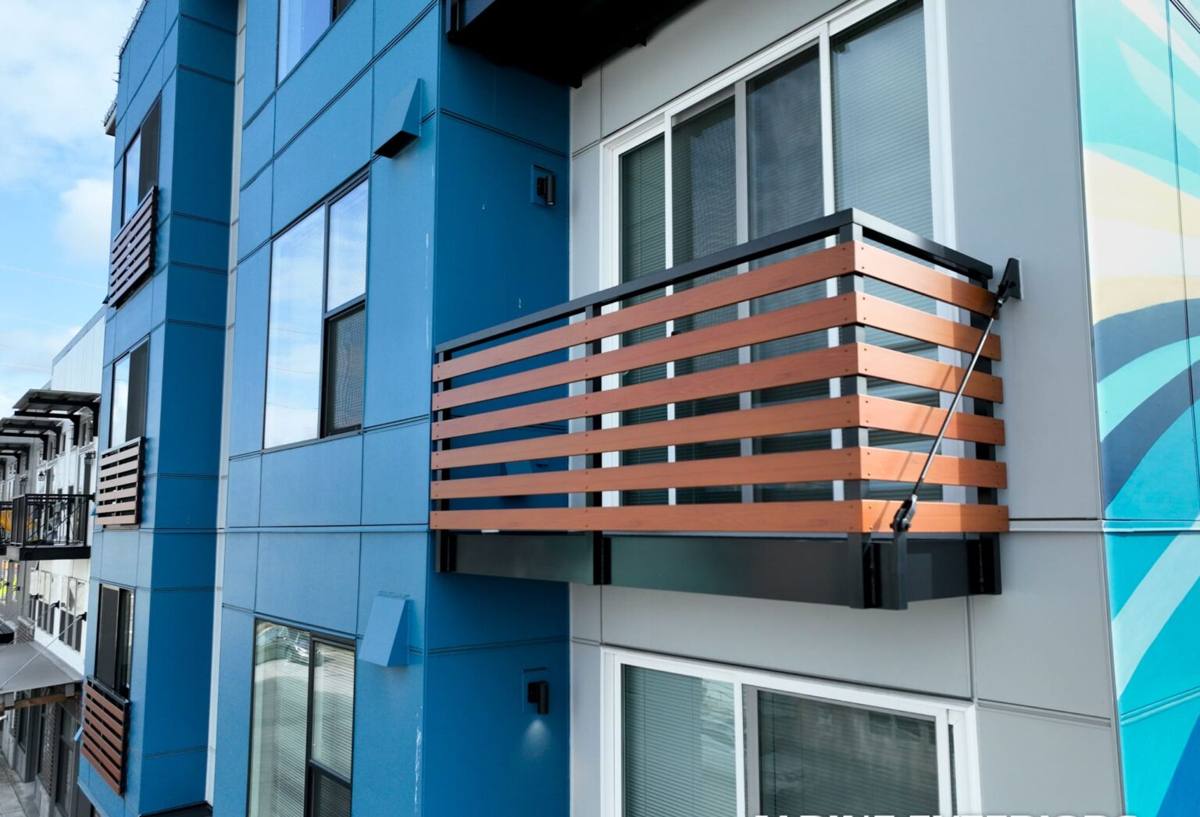
What Salt Air and Moss Season Do to Windows Over Time
Coastal salt air is corrosive to exposed metal hardware, cladding fasteners, and some window frame finishes. Over years, that corrosion can pit hardware, discolor finishes, and weaken the seal points where a window frame meets its cladding. It's a slow process, which is exactly why it gets missed — homeowners notice a drafty room or a foggy pane long before they connect it to years of salt exposure.
Moss and the constant damp that comes with it are a separate problem. Whatcom County's wet season keeps wood, trim, and window sills damp for long stretches, and moss thrives in that moisture. When moss or organic debris builds up around a window's exterior trim or sill, it holds water against the frame instead of letting it shed. That's how rot starts in a spot that looks fine on a quick glance.
Signs a Point Roberts home's windows are past due
- Visible fogging or condensation between panes (failed seal on a double- or triple-pane unit)
- Soft or discolored wood at the sill or lower frame corners
- Drafts you can feel near the frame even with the window latched
- Hardware that's stiff, corroded, or won't lock cleanly
- Paint or finish that's bubbling or peeling specifically around the window opening, not the wider wall
- Visible moss or dark streaking on the exterior trim around the frame
What a Correct Window Replacement Involves
Swapping in a new window is the easy part. What determines whether it lasts is everything around it — the flashing, the sealant, and how the opening is prepped before the new unit goes in.
Removal and opening inspection
We pull the old window and check the rough opening itself before anything new goes in. On a coastal property this is the step that catches problems early — hidden rot at the sill, compromised sheathing, or old flashing that was never doing its job. If we find damage, we address it before installing anything new. Installing a new window over a bad opening just hides the problem for a few more years.
Flashing and moisture management
This is the part that matters most in a climate like this. Proper flashing directs any water that gets behind the cladding back out, rather than letting it pool at the sill. Given how much driving rain Point Roberts sees off the water, we treat flashing detail as non-negotiable, not an upsell.
Sealing and weatherproofing
We use sealants rated for exterior, marine-adjacent exposure and pay close attention to the corners and joints where most sealant failures start. A bead of caulk that looks fine on installation day can crack within a couple of seasons if the wrong product or technique was used.
Frame material selection for salt air exposure
Not every window product holds up the same way this close to salt water. We'll walk you through the honest trade-offs for your specific exposure — sun, wind direction, and how sheltered or exposed your particular wall is — rather than pushing one material as a universal answer.
Comparing Frame Materials for Coastal Whatcom County Homes
| Frame Material | Salt Air Behavior | Maintenance | Typical Trade-offs |
|---|---|---|---|
| Vinyl | Doesn't corrode; UV can affect finish over decades | Low — occasional cleaning | Budget-friendly, limited color/repaint options |
| Fiberglass | Very stable, resists warping and corrosion | Low | Higher upfront cost, strong long-term durability |
| Aluminum (uncoated or poorly coated) | Prone to pitting and corrosion near salt water without a marine-grade finish | Higher — finish needs monitoring | We're selective about aluminum in direct salt exposure for this reason |
| Wood (unclad) | Vulnerable to rot without diligent upkeep in wet, mossy conditions | Highest — regular refinishing needed | Best appearance for some homeowners, most upkeep in this climate |
| Wood-clad (vinyl or fiberglass exterior) | Exterior shell handles weather; interior keeps wood look | Moderate | Balances appearance and durability, mid-to-upper cost |
None of these is universally "best" — it depends on your home's exposure, your budget, and how much upkeep you want to take on. We'll give you our honest read for your specific windows during the estimate.
Our Process for a Point Roberts Job
Because Point Roberts is separated from the mainland by the border, scheduling and logistics take a bit more planning than a job across town in Blaine. We build that into how we quote and schedule your project so there aren't surprises mid-job.
- Walkthrough and assessment — we look at every window being considered, check the openings, and note any signs of moisture or rot already present.
- Honest scope and estimate — you get a clear picture of what's needed, what's optional, and what the realistic cost range looks like, in plain language.
- Materials ordered and staged — we plan delivery and staging around the border crossing logistics so the job isn't held up waiting on materials once we start.
- Removal, opening prep, and repair — old windows come out, openings get inspected, and any hidden damage gets fixed before new windows go in.
- Installation with proper flashing and sealing — this is where the long-term performance is actually decided.
- Final check and cleanup — we confirm operation, seals, and finish work before we consider the job done.
What to expect during the estimate visit
- A straightforward look at each window's current condition, not just a sales pitch
- Clear explanation of which windows genuinely need replacement now versus which can wait
- A written estimate with a real cost range, not a vague ballpark
- No pressure to sign same-day
Why Local Experience on the Peninsula Matters
A crew that mostly works inland jobs can still do competent window work, but they're often solving Point Roberts' specific problems for the first time on your house. We've already worked through the logistics of getting a crew and materials to the peninsula, we know what marine exposure does to different frame materials over time in this specific area, and we're not guessing about how much moss and moisture buildup to expect on a north- or west-facing wall near the water. That experience shows up in fewer callbacks and windows that actually perform the way they're supposed to for the marine climate they're sitting in.
Being based in Blaine also means we're a short, practical distance away if you ever have a follow-up question or a warranty concern — we're not sending a crew from across the region for a five-minute fix.
Cost Factors Specific to This Job
Every window job is different, but a few factors tend to move the price up or down on Point Roberts homes specifically:
- Hidden sill or frame damage found once the old window is out — common where moss and moisture have been sitting against a frame for years
- Number and size of openings being replaced in one visit versus spread over multiple trips
- Frame material chosen, weighed against your home's specific salt and wind exposure
- Access and staging logistics tied to the peninsula's location and border crossing
- Existing trim and cladding condition around each opening
We won't know your exact numbers until we've seen the windows in person, but we'll always explain what's driving the estimate so you're not left guessing.
Get a Straight Answer on Your Windows
If your Point Roberts home has windows showing drafts, fogging, soft trim, or moss buildup around the frames, it's worth having a local crew take an honest look before another wet season sets in. We'll tell you plainly what needs to happen now, what can wait, and what it will cost — no pressure, no inflated scope. Request a free estimate using the form below and we'll get a walkthrough scheduled.