 Blaine Siding
 Windows Built for the Peace Arch Climate, Not Just the Peace Arch View
Homes near the Peace Arch in Blaine sit close to open water and the international border, which means they take on weather most inland Whatcom County houses never see. Wind comes off the water with real force, driving rain sideways into window frames for months at a time, and the salt content in that air is enough to accelerate corrosion on hardware and finishes that would otherwise last decades. Add in the long, wet moss season that defines a Pacific Northwest winter, and you have a set of conditions that punishes cheap windows and rewards a correctly detailed installation.
We're not talking about cosmetic wear. A window that isn't sealed, flashed, and fitted correctly for this exposure will let moisture into the wall cavity long before the glass itself shows any problem. By the time you notice fogging, soft trim, or a musty smell near the sill, the damage is usually already inside the wall. Custom windows done right for a Peace Arch area home are as much about moisture management as they are about looks or energy savings.
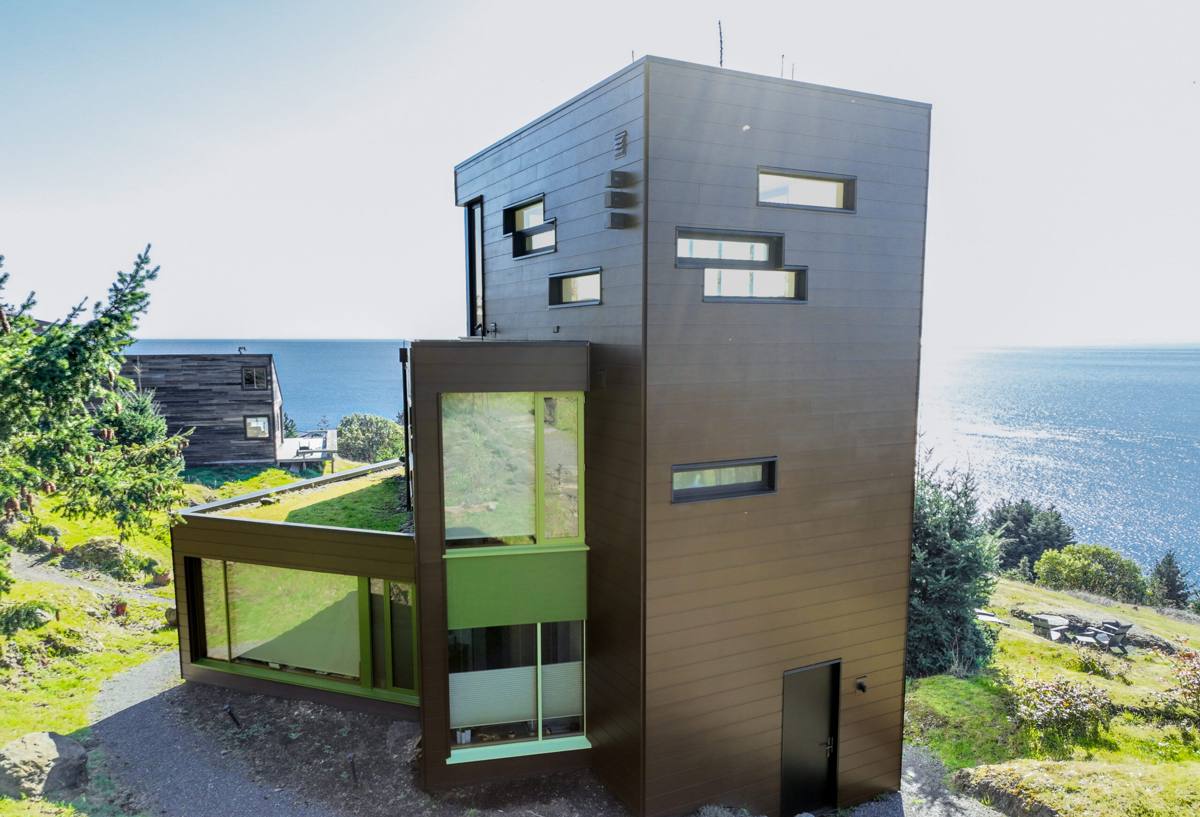
What "Custom" Actually Means Here
"Custom" doesn't mean expensive or ornate — it means the window is built and installed to fit your actual opening, your actual wall assembly, and your actual exposure, rather than forcing a stock size into a rough opening with shims and extra caulk. Most homes in this area were built in different decades with different framing conventions, and older houses near the water often have openings that have shifted slightly over the years from moisture cycling. A true custom approach starts with precise field measurements, not catalog assumptions.
New Construction vs. Retrofit
There are two very different jobs hiding under the word "replacement":
- Full-frame (new construction) replacement — the old frame is removed down to the rough opening, exposing the wall sheathing and framing so it can be inspected and re-flashed correctly. This is the right call when there's any sign of water damage, rot, or when you're changing window size or style.
- Insert (pocket) replacement — a new window is fitted into the existing frame, which is faster and less invasive but only appropriate when the existing frame is dry, square, and structurally sound.
Near the Peace Arch, we lean toward full-frame more often than in drier parts of the county, simply because the exposure makes hidden moisture more common than homeowners expect.
Frame Materials That Actually Hold Up to Salt Air
Not every window material handles wind-driven, salt-laden rain the same way. Here's how the common options compare for this specific exposure:
| Material | Salt/Moisture Resistance | Maintenance | Best Fit |
|---|---|---|---|
| Vinyl (quality, welded corners) | Good — won't corrode or rot | Low; occasional cleaning | Most homes seeking value and low upkeep |
| Fiberglass | Excellent — very stable in wet, salty air | Low | Higher-exposure walls facing open water/wind |
| Wood (unclad) | Poor without diligent upkeep | High — repainting, sealing | Only with a strict maintenance plan; we're honest that this exposure is hard on bare wood |
| Wood with aluminum/fiberglass cladding | Good on the exterior face; interior still wood | Moderate | Homeowners who want a wood interior look with better weather protection outside |
| Aluminum | Fair; prone to corrosion pitting near salt air over time unless properly finished | Moderate | Less common recommendation for this specific exposure |
We don't push one material on every job. We'll tell you plainly which option makes sense for your wall's actual sun and wind exposure, and where a cheaper material will cost you more in ten years than it saves you now.
Glass Packages Worth Considering
For homes this close to open water, glass selection matters almost as much as frame material:
- Double-pane, low-E glass — the standard baseline for energy performance and condensation control in our climate.
- Triple-pane — worth discussing for north- and west-facing rooms that take the brunt of wind and driving rain, where the extra insulating value and sound dampening are most noticeable.
- Impact-resistant or laminated glass — an option some homeowners near open water ask about for added durability against wind-blown debris during winter storms.
The Details That Actually Keep Water Out
The glass and frame get all the attention, but the parts that determine whether a window job survives its first winter storm are the parts you never see once the trim goes back on.
- Sill pan flashing — creates a sloped, sealed pan under the window so any water that gets past the sash sheds outward instead of soaking into the framing.
- Window flashing tape and house wrap integration — must be layered correctly (shingle-style, top piece over the one below it) so water is directed out and down, not trapped behind the siding.
- Backer rod and sealant, not sealant alone — a bead of caulk over a gap that's too wide will crack and fail within a season or two in this climate; the joint needs to be sized and backed correctly first.
- Weep holes kept clear — many window frames rely on small weep holes to drain trapped moisture; painted-over or caulked-shut weep holes are a common, avoidable cause of interior leaks.
Any installer can make a window look finished from the inside. Whether it stays dry through a wet Blaine winter comes down to whether these steps were actually done, in the right order, every time.
Signs Your Current Windows Are Losing the Fight
Homeowners near the Peace Arch often live with early warning signs for a year or two before calling anyone, mostly because the symptoms seem minor at first. Watch for:
- Fogging or a milky haze between panes (a failed seal on the insulated glass unit)
- Noticeable draft or cold spot near the frame even with the window fully latched
- Paint or finish bubbling on interior trim near the sill
- Soft or spongy wood when you press on the sill or lower corners of the frame
- Moss or green staining creeping onto the exterior trim or sill during the wet months
- Window that's become hard to open, close, or lock — often a sign the frame has shifted
- A musty smell in the room that wasn't there before, especially after a storm
Any one of these on its own isn't an emergency. Two or more together, especially soft wood plus a musty smell, usually means moisture has already reached the framing and the fix needs to include more than just new glass.
How We Approach a Custom Window Job
1. On-Site Assessment and Exact Measurement
We look at each opening individually — exposure direction, current condition of the framing, and any existing moisture signs — before we talk about products. Two windows on the same house can need different approaches depending on which way they face the wind.
2. Straightforward Recommendation
You get a plain-language explanation of full-frame vs. insert, which material fits your budget and exposure, and what glass package makes sense — with the trade-offs stated honestly, not just the upsell.
3. Ordering and Scheduling
Custom windows are built to your exact openings, which means lead time. We'll give you a realistic timeline up front rather than a vague estimate.
4. Removal, Inspection, and Correct Flashing
Old windows come out carefully so we can inspect the rough opening for hidden rot before anything new goes in. Any damaged framing gets addressed before the new window is set — not covered over.
5. Installation, Sealing, and Cleanup
Each window is set, shimmed level and square, flashed, and sealed per the details above, with interior and exterior trim finished to match your home. Job site is cleaned up daily, not just at the end.
What Affects the Cost of a Custom Window Project
| Factor | Why It Matters |
|---|---|
| Full-frame vs. insert replacement | Full-frame involves more labor and often trim/siding repair, but addresses hidden damage insert jobs can't reach |
| Frame material | Vinyl, fiberglass, and clad-wood carry different material costs and long-term maintenance costs |
| Glass package | Triple-pane and impact-resistant options add upfront cost but can reduce drafts and outside noise |
| Number and size of windows | Larger openings and picture windows cost more per unit; bundling multiple windows in one visit typically saves on labor |
| Condition of the existing opening | Rot repair, re-flashing, or reframing add cost but prevent a repeat problem in a few years |
| Access and site conditions | Second-story or hard-to-reach windows near steep grades take more time and equipment |
We'll walk through these factors with you specifically so the estimate reflects your house, not a generic per-window price.
Why It Matters That We Already Work This Area
A crew that only occasionally works near the water tends to treat every job the same way they would inland. A crew that regularly works Blaine's Peace Arch area knows that a west-facing window here takes a different kind of abuse than the same window three miles inland, that moss buildup on north-facing trim is a maintenance issue and not a red flag on its own, and that the wet season here runs long enough that any shortcut in the flashing or sealant will get tested hard before spring. That familiarity shows up in the small decisions — which side of the house gets the extra attention, which sealant actually holds up in this humidity, when a full-frame approach is worth the extra cost. It's the difference between a window that looks right for one season and one that performs correctly for twenty years.
If you're noticing drafts, moisture, or aging windows on a Peace Arch area home, we're happy to take a look and give you a straight answer about what it needs — no pressure, no obligation. Use the form below to request a free estimate and we'll schedule a time to walk through your home's specific exposure and options.