 Blaine Siding
 Why Ferndale Siding Wears Out Faster Than the Manufacturer's Chart Says
Every siding product ships with a lifespan estimate based on lab testing and average conditions. Ferndale doesn't have average conditions. Homes here sit close enough to open water that salt-laden air is a daily fact of life, rainfall is frequent and prolonged rather than occasional and heavy, and shaded, tree-lined lots hold onto damp air long after a storm has passed. That combination — salt, sustained moisture, and shade — is exactly the recipe that ages exterior cladding faster than a spec sheet predicts.
Salt air is corrosive to metal fasteners, flashing, and trim hardware, and it accelerates the breakdown of coatings that aren't built to shed it. Driving rain, especially wind-driven rain that hits walls at an angle instead of falling straight down, finds its way into every gap, seam, and poorly lapped joint in a siding system. And moss doesn't just look bad — it holds water against the wall surface for weeks at a time, which is where rot and mold actually get their start. None of this means Ferndale homes are doomed to constant repairs. It means the siding, the installation details, and the maintenance plan all have to be chosen with this specific climate in mind, not a generic one.
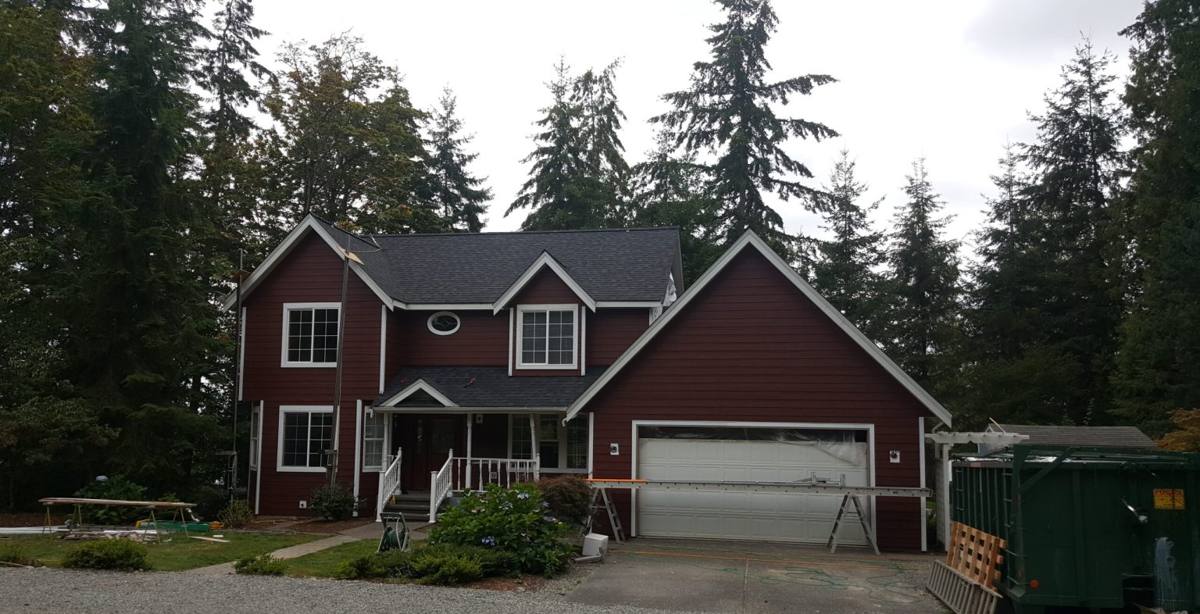
Signs a Ferndale Home Needs Siding Replacement, Not Another Patch
Homeowners often start with a repair because it's the smaller ask, and sometimes that's the right call. But certain signs mean the underlying material or installation has failed and patching will just delay a bigger repair bill later.
- Soft, spongy, or crumbling spots when you press on the siding, especially near the bottom courses and around window and door trim
- Persistent moss or algae growth that comes back within weeks of cleaning, particularly on north-facing or shaded walls
- Visible cupping, buckling, or gaps between boards that weren't there a few years ago
- Paint that's failing in patches rather than evenly across the wall — often a sign of trapped moisture pushing from behind
- Rust staining below nail heads or at metal flashing and trim joints
- A musty smell in an adjacent room, or interior wall discoloration, which can point to moisture already past the siding
- Siding that's more than 20-25 years old, especially older wood, hardboard, or lower-grade vinyl products not designed for this kind of exposure
If more than one or two of these show up at the same time, it's usually a sign the whole wall assembly needs attention, not just the visible board.
What Correct Installation Actually Involves
What's Behind the Siding Matters as Much as the Siding Itself
A siding replacement is really a water management upgrade. The visible boards are the last line of defense, not the only one. A correct job starts with removing the old cladding down to the sheathing so we can actually see what's there — old flashing, soft sheathing, gaps in the weather-resistant barrier, and any spots where prior work cut corners. On homes exposed to salt air and steady rain, this inspection step matters more than usual, because problems tend to hide behind trim and around penetrations rather than announcing themselves on the surface.
The Details That Separate a Good Job From a Callback
From there, the sequence matters: a continuous, properly lapped weather-resistant barrier, correctly flashed windows and doors so water is directed out and down rather than trapped, rainscreen or drainage gap where the wall assembly calls for it, and fasteners set to the manufacturer's specified depth and pattern rather than driven however is fastest. Butt joints get flashed or sealed per spec, not just butted together. Bottom courses are kept clear of grade, decks, and soil contact so moisture and moss don't have direct access to the board's edge — one of the more common failure points we see on older Ferndale homes where landscaping has crept up over the years.
Correct Clearances
| Detail | Why It Matters Here |
|---|---|
| Siding-to-grade clearance | Keeps splash-back and standing water off the bottom edge, where moss and rot start first |
| Siding-to-roofline clearance (kickout flashing) | Directs roof runoff away from the wall instead of behind the siding at roof-to-wall intersections |
| Weather-resistant barrier lap direction | Sheds wind-driven rain downward instead of channeling it behind the cladding |
| Fastener depth and placement | Prevents cracking and callback repairs, and keeps warranty coverage intact |
Why We Install Only James Hardie Fiber Cement
We standardized on James Hardie fiber cement siding because it holds up to exactly the conditions Ferndale deals with. It's non-combustible, doesn't rot or support insect damage the way wood-based products can, and its ColorPlus factory-applied finish is baked on and warranted against fading and flaking — which matters in a climate where sun, salt, and rain all take turns working on a painted surface. Hardie's HZ5 product line is engineered specifically for climates that see freeze-thaw cycling and sustained moisture, which describes this part of Whatcom County well.
We don't install vinyl, LP SmartSide, primed wood, or cedar, and we're upfront about why: those products can be reasonable choices in the right application, but each comes with a trade-off — moisture sensitivity, coating longevity, or long-term maintenance demand — that we don't think holds up as well against salt air and a long wet season. Hardie isn't the cheapest material on the shelf, but it's the one we're willing to put our name behind for the long haul in this climate.
Our Process, Start to Finish
- Walkthrough and assessment — we look at the existing siding, trim, flashing, and any problem areas you've noticed, and talk through what's driving the need for replacement.
- Written estimate — a clear scope of work and price, with the Hardie product line and color options that fit the home.
- Tear-off and inspection — old siding comes off, sheathing and framing get checked, and we flag anything found before covering it back up.
- Water management rebuild — weather-resistant barrier, flashing, and drainage details installed correctly, not just replaced with whatever was there before.
- Hardie installation — boards, trim, and accessories installed to manufacturer fastening and clearance specs.
- Final walkthrough — we go over the finished work with you before calling the job done.
Cost Factors for a Ferndale Siding Replacement
Every home is different, so we don't publish flat prices, but the factors that move a bid up or down are consistent from house to house.
| Factor | How It Affects the Job |
|---|---|
| Condition of sheathing underneath | Rot or soft spots found during tear-off add repair scope before new siding can go on |
| Home size and wall complexity | More corners, dormers, and trim detail mean more labor and material cuts |
| Siding profile and accessories | Lap width, trim style, and corner details change material cost and install time |
| Access and site conditions | Tight lots, mature landscaping, or multi-story walls affect staging and labor time |
| Existing moisture damage | Homes with long-neglected moss or leaks often need more sheathing and framing repair |
Why Hiring a Crew That Already Works Ferndale Matters
A siding job done by a crew unfamiliar with this area tends to treat it like a generic install anywhere in the country. A crew that already works Whatcom County builds in the extra flashing detail at grade, the drainage gap where it's warranted, and the fastener spec that holds up against salt air as a matter of habit, not an afterthought. We've seen what happens when those details get skipped on homes near the water — moss and hidden rot showing up years earlier than they should have. Local experience also means fewer surprises on scheduling around the region's wetter stretches of the year, and a crew that can speak plainly about what your specific lot and exposure actually need.
Living With Your New Siding
Fiber cement siding installed to spec needs very little upkeep, but a little attention goes a long way in this climate. A yearly rinse-down clears early moss and grime before it takes hold, especially on shaded or north-facing walls. Keep gutters clear so overflow doesn't run down the wall face, and keep an eye on caulking around trim and penetrations every couple of years. None of this is heavy maintenance — it's the kind of light seasonal check that keeps a correctly installed system performing the way it's designed to for decades.
If your Ferndale home is showing signs of siding failure, or you'd simply rather replace it once and do it right, we're happy to take a look and give you a straightforward, no-pressure estimate. There's a form just below this page to get that conversation started.