 Blaine Siding
 Siding Repair Built for the California Creek Environment
Homes along California Creek sit close enough to the water that the air itself works against your siding every single day. Salt-laden moisture off the bay, wind-driven rain that comes in sideways during winter storms, and a wet, shaded growing season for moss all combine to put more stress on exterior walls here than in drier, more sheltered parts of Whatcom County. Siding that would last decades in a dry inland climate can start showing real problems within half that time if it isn't repaired correctly, or if it wasn't matched to this environment in the first place.
This page is about one thing: repairing siding on homes in the California Creek area, the right way, for the conditions this specific stretch of Blaine actually deals with.
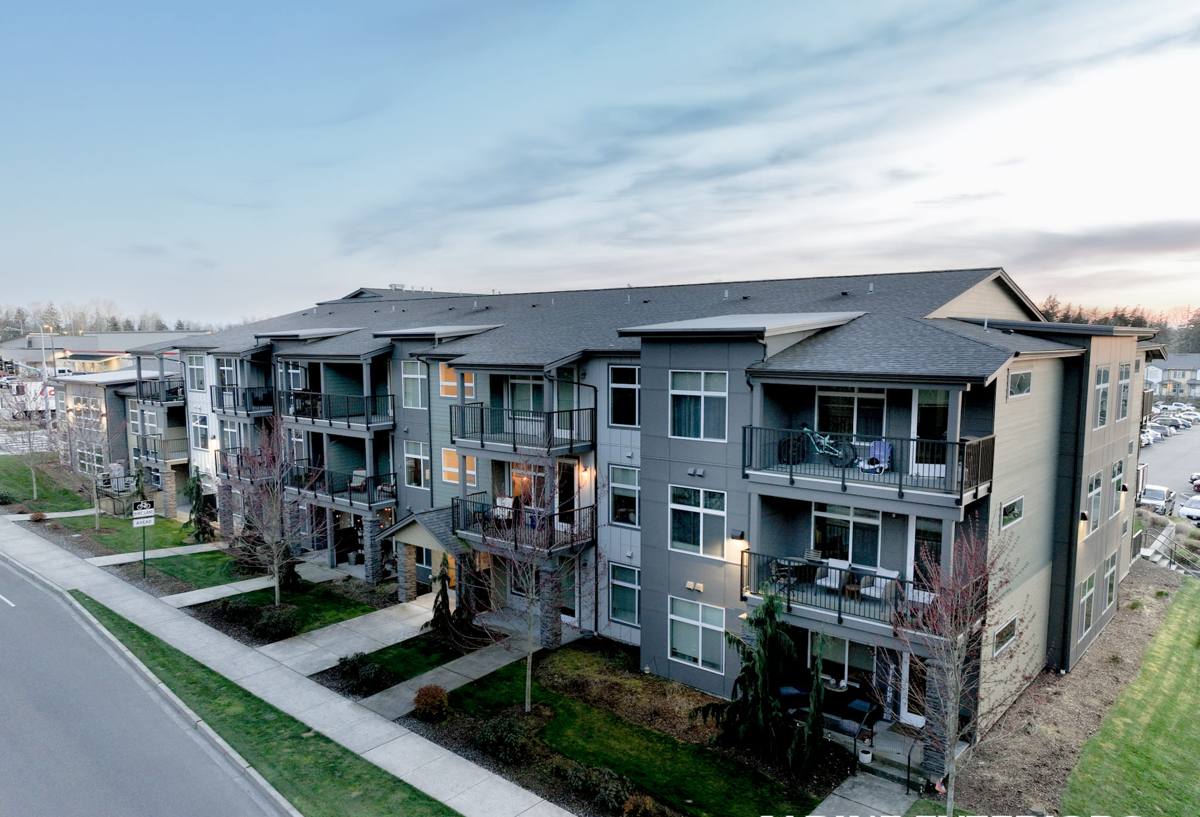
Why This Micro-Climate Is Harder on Siding Than It Looks
It's easy to underestimate how much low-lying, near-water sites like California Creek differ from siding conditions just a mile or two inland. A few things stack up here:
- Salt air corrosion — airborne salt accelerates rust on exposed fasteners, flashing, and any metal trim, which in turn stains and loosens the siding around it.
- Driving rain exposure — wind off the water pushes rain up and under laps and trim, not just straight down, so water finds gaps that would stay dry on a more sheltered wall.
- Shade and moisture combine into moss — tree cover and consistently damp conditions give moss and algae a long season to establish on north- and west-facing walls, holding moisture against the surface.
- Ground moisture and drainage — properties near a creek corridor often sit on lower, wetter ground, which raises the risk of splash-back and standing moisture at the base of walls.
None of this means siding is doomed in California Creek — it means repairs have to actually address the cause, not just cover the symptom.
Signs Your Siding Needs Repair, Not Just a Paint Job
A lot of siding problems in this area get masked with paint or caulk instead of fixed. Watch for these signs that the underlying siding or the water management behind it has failed:
- Cracking, splitting, or crumbling at panel edges or corners
- Soft or spongy spots when you press on the siding, especially near the bottom courses
- Bubbling, peeling, or repeatedly failing paint in the same spot year after year
- Visible gaps, warping, or buckling at seams and butt joints
- Persistent moss or dark streaking that keeps returning after cleaning
- Rust-colored streaks running down from nail heads or trim fasteners
- Musty smell or visible staining on interior walls near an exterior corner
Any one of these can be minor. Several together, especially on a wall that faces the water or gets heavy shade, usually means moisture has been getting behind the siding for a while.
What a Correct Repair Actually Involves
A proper siding repair isn't just swapping a cracked board for a new one. It starts with figuring out why that spot failed — a bad caulk joint, missing flashing, a low spot holding water, a fastener that rusted through — and fixing that cause before anything new goes back on the wall. Skip that step and the same failure comes back in a year or two.
| Repair Type | What It Involves | When It Makes Sense |
|---|---|---|
| Spot patch | Sealing or filling a small, isolated crack or gap | Cosmetic damage only, no moisture behind the siding |
| Section replacement | Removing damaged boards, checking the water-resistive barrier and flashing, installing matched replacement siding | Localized rot, impact damage, or fastener failure in one area |
| Multi-wall repair | Addressing several damaged areas, often tied to one recurring water path (a roofline, a deck ledger, a window head) | Damage clustered around one drainage or flashing failure |
| Full re-side | Removing all existing siding and starting fresh with new material and water management details | Widespread rot, siding at the end of its service life, or repeated failures across multiple walls |
Part of our job on every call is being honest about which category your home actually falls into, rather than defaulting to whichever job is bigger or smaller than it needs to be.
Common Problems We See on California Creek Homes
Fastener and Trim Corrosion
Salt air is hard on exposed metal. Nail heads, screws, and trim fasteners that aren't corrosion-resistant will eventually rust, and that rust streaks the siding and weakens the hold at that point. Repairs in this area need fasteners rated for the exposure, not standard hardware.
Moisture Trapped Behind Moss-Covered Walls
Moss doesn't just look bad — it holds water against the siding surface far longer than an open, sun-exposed wall would ever stay wet. On north- and west-facing walls with tree cover, that extended dampness is often the real reason a section is failing, more than the siding material itself.
Wind-Driven Rain at Laps and Penetrations
Exposure to storms coming off the water means rain gets pushed into places a calmer site wouldn't see — under laps, around window and door trim, at siding penetrations for vents and fixtures. Repairs that don't correct the flashing and sealant detail at these points tend to fail again in the next big storm.
Base-of-Wall Moisture
Lower, wetter ground near a creek corridor raises the risk of splash-back and slow-draining soil at the foundation line, which is why bottom courses of siding often show damage first.
Our Repair Process
- Assess the whole wall, not just the damaged spot. We check surrounding boards, flashing, caulk joints, and the water-resistive barrier where it's accessible, since visible damage is often a symptom of a problem a few feet away.
- Identify the moisture source. No repair goes back on the wall until we know why that section failed.
- Correct the underlying issue. That might mean re-flashing a window head, correcting a caulk joint, or improving drainage at the base of the wall.
- Replace damaged material with matched product. Where the home already has James Hardie fiber cement, we match profile, texture, and ColorPlus finish as closely as the product line allows.
- Walk the finished repair with you. We explain what we found, what we fixed, and what to watch for going forward.
What We Recommend When Repair Isn't the Right Answer
We install and repair James Hardie fiber cement siding exclusively. We don't install vinyl, LP SmartSide, primed wood, or other fiber cement brands, and that standard applies to repair work too. If a California Creek home has siding in one of those materials and the damage is limited and the material is still sound, a targeted repair can still be the right, honest answer — we're not going to push a full re-side on a house that doesn't need one.
But when damage is widespread, or the existing material has reached the point where repair after repair isn't solving the underlying moisture problem, our recommendation is James Hardie. It's non-combustible, engineered for wet, coastal Pacific Northwest conditions in its HZ5 product line, and finished with a factory-applied ColorPlus coating that resists the fading and repeated repainting that bare or field-painted siding needs in this climate. That's not a sales pitch we reserve for full-replacement jobs — it's the same reasoning that shapes how we repair and match siding on a Hardie home today.
What Affects the Cost of a Siding Repair
| Factor | Why It Matters |
|---|---|
| Extent of damage | A single cracked board costs far less to fix than a wall with multiple failure points |
| Cause of the damage | Repairs tied to a flashing or drainage fix cost more than a simple board swap, but prevent repeat damage |
| Siding material | Matching existing James Hardie ColorPlus siding is more straightforward than sourcing a match for discontinued or field-painted material |
| Wall accessibility | Second-story walls, tight setbacks, or areas near landscaping add time and equipment needs |
| Hidden moisture damage | If sheathing or framing behind the siding is affected, that work adds to the scope |
We give straightforward, itemized pricing after an on-site look — not a phone-quote guess — because the range between a simple patch and a repair with hidden water damage behind it is too wide to estimate blind.
Checklist: Before You Hire Anyone for Siding Repair Here
- Ask what they think caused the damage, not just how they'll patch it
- Ask whether they'll check flashing and the water-resistive barrier behind the damaged area
- Confirm what fasteners and materials they'll use, given the salt-air exposure this close to the water
- Ask how they'll match texture and finish if you have existing James Hardie siding
- Get an on-site estimate rather than a phone quote for anything beyond a single small patch
- Ask what warranty applies to the repair work itself, separate from any product warranty
Why Local Experience in California Creek Matters
A crew that regularly works this side of Blaine already knows which walls take the worst of the wind-driven rain, how far moss and moisture problems tend to travel before they show up as visible damage, and what fastener and flashing details actually hold up this close to the water. That's the difference between a repair that lasts and one you're calling someone back for in two winters. We're a Blaine-based crew, and California Creek's coastal exposure, moss season, and drainage challenges are conditions we plan for on every repair, not an afterthought.
If you're seeing cracked, soft, or streaked siding on a California Creek home, we're happy to take a look and give you a straight answer on what it needs — a targeted repair, a larger fix, or a conversation about longer-term options. Reach out for a free, no-pressure estimate using the form below.