 Blaine Siding
 Windows Built for Life Near California Creek
California Creek sits in the low-lying, water-influenced country just south of the Blaine city line, where homes back up to tree cover, pasture, or tidal water and take the full brunt of Whatcom County's marine weather. Windows here work harder than windows almost anywhere else in the region. They're not just holes in a wall with glass in them — they're the seal between a house and a climate that never really lets up: salt-laden air off the bay, sideways rain that doesn't care about your overhangs, and a moss season that can run eight or nine months out of the year. A window that's merely "good" in a drier inland town can fail early out here. This page is about what actually needs to happen — in the product and in the install — for custom windows to hold up in this specific stretch of Whatcom County.
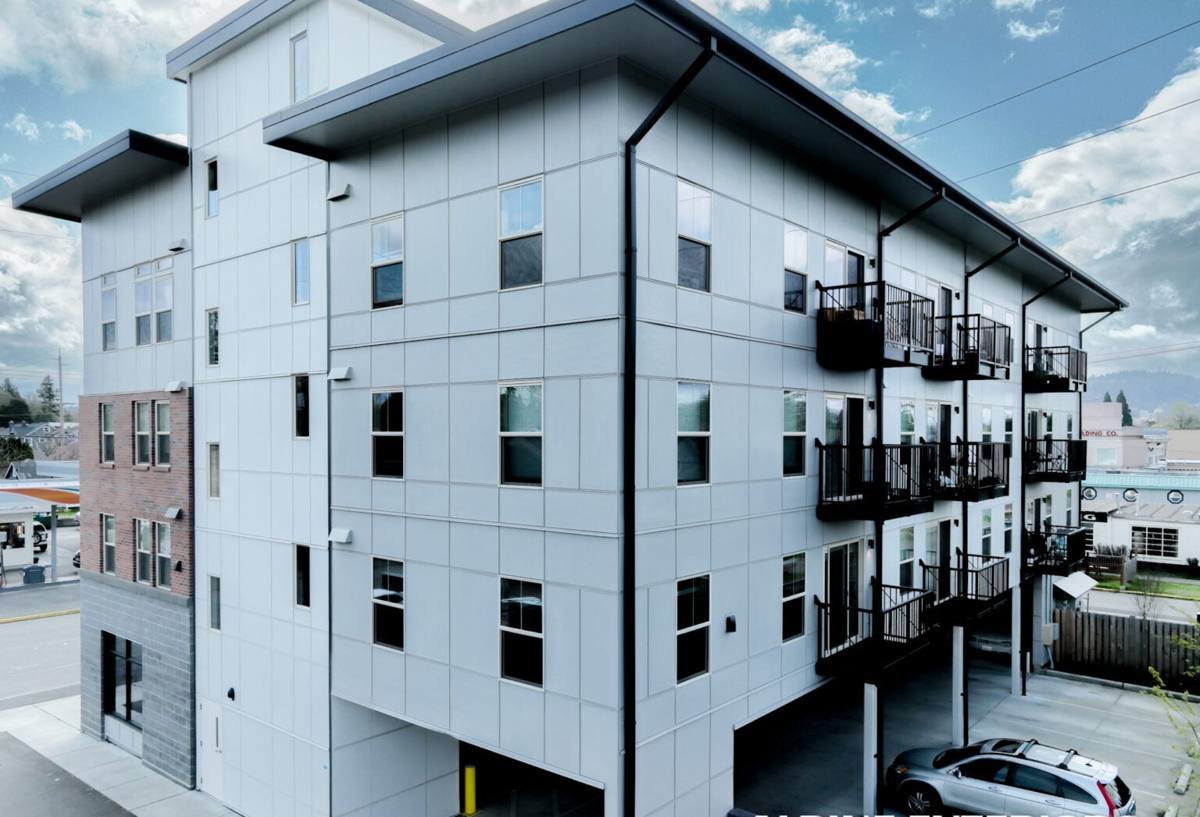
The Climate Problem: Salt Air, Driving Rain, and Moss
Salt Air and Hardware Corrosion
Airborne salt from Semiahmoo Bay and the Strait of Georgia travels farther inland than most homeowners assume, and it settles on everything — glass, screens, cladding, and especially hardware. Cheap or poorly finished locks, hinges, and balance mechanisms corrode from the inside out long before the glass itself shows any wear. Once a lock mechanism seizes or a balance corrodes, the window either won't seal tight or won't operate at all, and by then moisture has usually already found its way into the frame.
Wind-Driven Rain
Rain around Blaine rarely just falls straight down. Storms coming off the water push rain sideways and upward under eaves, around trim, and into any gap in the weather barrier. A window opening that would be fine in a sheltered inland yard can leak here simply because the flashing sequence wasn't built to handle rain moving in three directions at once. This is less about the window unit itself and more about how it's tied into the wall — which is why installation quality matters as much as product quality in this specific area.
The Long Moss Season
Shade from mature trees, near-constant humidity, and mild winters give moss and algae a long growing window on north- and west-facing exposures. On windows, that shows up as green growth on sills, in track channels, and in the corners of frames — and it's not just cosmetic. Moss and algae hold moisture against the frame and glazing seal far longer than bare material would, which accelerates rot in wood components and breaks down sealants faster than the manufacturer's warranty assumes.
What a Correctly Installed Window Actually Involves
In a climate this demanding, the window unit is maybe half the equation. The other half is installation detail — the part that's invisible once the trim goes back on, and the part that determines whether the window is dry in ten years or leaking in three.
- Sill pan flashing under every opening, so any water that does get past the exterior seal drains back out instead of sitting on bare sheathing.
- Proper shingle-lap sequencing of flashing tape and housewrap, so water is always directed down and out, never trapped behind a layer above it.
- Correct sealant selection — not every caulk or sealant handles UV, salt exposure, and constant damp cycling the same way, and the wrong one fails in a season or two.
- Integration with the existing drainage plane, not just caulking around the trim and calling it done.
- Shimming and squaring so the sash operates smoothly and the weatherstripping compresses evenly on all four sides.
Skip any one of these and the window can look perfect from the curb while quietly failing behind the trim. This is the part of the job that separates a correct install from one that just looks finished.
Choosing the Right Frame Material for This Location
There's no single "best" window material for every house — it depends on exposure, budget, and how much upkeep you're willing to do. For a California Creek property, here's how the common options actually perform against salt air, driving rain, and moss:
| Frame Material | Salt Air / Corrosion | Moisture Handling | Maintenance Load |
|---|---|---|---|
| Vinyl | Very good — won't corrode or rust | Good when properly flashed; won't rot | Low — occasional cleaning |
| Fiberglass | Excellent — highly stable in coastal air | Excellent — very low expansion/contraction | Low |
| Wood-Clad | Good on cladding; core is vulnerable if seal fails | Requires diligent sealant upkeep near moss-prone areas | Higher — periodic finish and seal checks |
| Aluminum | Fair — prone to pitting and corrosion over time near salt air | Conducts cold and can condense in damp climates | Moderate to high |
For most California Creek homes we lean toward vinyl or fiberglass frames precisely because they don't give salt air or sustained moisture anything to work with. Wood-clad units can still be the right call for a specific architectural look, but we're upfront that they ask more of the homeowner in this climate — the cladding protects the exterior face, but any breach in the seal exposes a wood core in an environment that doesn't dry out quickly.
Our Process for California Creek Homeowners
Every property along the creek and the surrounding rural roads has its own exposure — some are shaded and moss-prone, some catch open wind straight off the water, some have a mix of both on different sides of the house. Our process starts by reading that exposure before we ever talk product.
- On-site assessment. We look at each opening individually — sun exposure, tree cover, prevailing wind direction, and the current condition of the sill, trim, and framing.
- Custom measuring. Older Whatcom County homes are rarely perfectly square; we measure each opening on its own rather than assuming uniform sizing.
- Product selection. Based on that exposure, we recommend frame material, glazing, and hardware finish suited to that specific wall — not a one-size answer for the whole house.
- Removal and prep. Old units come out carefully so we can inspect the framing and sheathing underneath for hidden rot before anything new goes in.
- Flashing and installation. Sill pan, flashing sequence, shimming, and sealant go in following the detailing described above — this is where the long-term performance is actually decided.
- Final inspection and cleanup. We check operation, seal, and finish on every opening before we consider the job done.
Signs Your Windows Are Already Losing the Battle
Because failures in this climate often start invisibly — behind trim, inside a frame cavity, under a sill — it helps to know the early warning signs before a full leak shows up on an interior wall.
- Green or black growth building up in the track, corners, or sill of the window, even after cleaning
- A window that's noticeably harder to lock, latch, or slide than it used to be
- Fogging or moisture between panes, which means the seal has already failed
- Soft, spongy, or discolored trim or sill material around the frame
- A noticeable draft or cold spot near the window on windy, rainy days
- Paint or finish bubbling or peeling on the interior trim near the window
Any one of these on its own might be minor. Two or more on the same window usually means water has already gotten past the seal and is working on the framing behind it.
Why Local Experience Matters Here
A window crew that mostly works drier, inland jobs will still know how to install a window — but they won't necessarily know that a north-facing opening near mature trees on a California Creek property needs a different sealant strategy than a south-facing opening catching direct wind off the bay. That kind of judgment comes from doing this work repeatedly in this specific stretch of Whatcom County, not from a generalized install checklist. It also means familiarity with the county's permitting expectations, typical framing conditions in homes of this age and construction, and the exposure patterns particular to this pocket of the coastline.
Maintaining Custom Windows in a Marine Climate
Even a correctly installed, well-chosen window benefits from basic seasonal attention in this climate:
- Rinse frames and tracks periodically to clear salt residue before it builds up on hardware
- Clear moss and debris from sills and tracks before it has a chance to hold moisture against the frame
- Check and re-lubricate hardware annually, especially locks and balances, since corrosion often starts internally
- Inspect exterior caulking each fall before the wet season sets in, and address any cracking early
None of this replaces a correct installation — but it extends the life of one considerably, and it's far cheaper than dealing with hidden rot down the line.
If you're weighing whether it's time to replace windows on a California Creek property, or you just want a straight answer about what your current windows are dealing with, we're glad to take a look. The estimate is free, there's no pressure, and you'll get a plain-English read on what your home actually needs — use the form below to get started.