 Blaine Siding
 Board & Batten on a Waterfront Exposure Like Semiahmoo
Semiahmoo sits about as close to the water as a Whatcom County home can get, and that changes what a siding job needs to do. Board and batten has become a popular choice out here because the vertical lines and shadow reveal look sharp on both traditional and modern homes, but the style only pays off if the material and the install can handle constant salt air, wind-driven rain off the bay, and a moss season that stretches longer than it does even a few miles inland. We install board and batten siding for homes in and around Semiahmoo regularly, and the lessons from that exposure shape every recommendation on this page.
The short version: board and batten is a great fit for this area, but only with the right substrate, the right fastening and flashing details, and a contractor who treats the water table and the wind as design inputs rather than an afterthought.
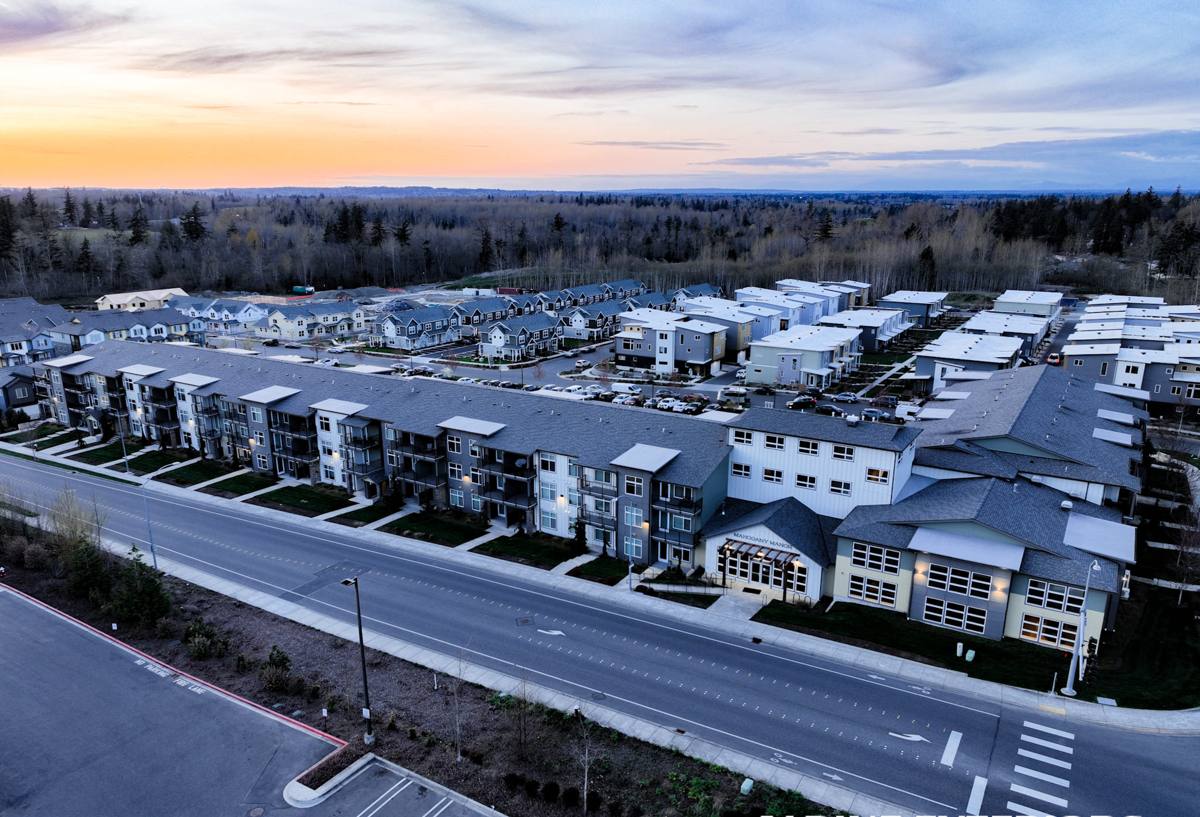
What Semiahmoo's Climate Actually Does to Vertical Siding
Board and batten relies on battens — narrow vertical strips — covering the seams between wider panels or boards. Every one of those batten edges is a joint, and every joint is a place where water can either shed cleanly or get trapped. Near the water, that detail matters more than it would on a home set back from the shoreline.
Salt Air and Fastener Corrosion
Airborne salt accelerates corrosion on anything metal — fasteners, flashing, trim caps. Cheap or mismatched fasteners will bleed rust streaks down the face of light-colored board and batten within a few seasons on a Semiahmoo-facing elevation. The fix isn't complicated, but it has to be specified up front: corrosion-resistant fasteners rated for the material and the exposure, every time, not just on the water-facing wall.
Driving Rain and Wind Load
Storms off the water don't just fall straight down — wind pushes rain sideways and up under laps and battens that would stay dry on a calmer site. That means the water-resistive barrier behind the siding, the flashing at every penetration, and the batten spacing all need to be built for wind-driven moisture, not just gravity.
Moss and Prolonged Dampness
Whatcom County's moss season runs long, and shaded, north-facing board and batten walls near Semiahmoo can stay damp for days after a storm passes. Material that absorbs and holds that moisture will support moss and algae growth and, over years, will soften or delaminate at the edges. Material that doesn't absorb it stays clean and dry far longer with the same amount of shade and rainfall.
What a Correct Board & Batten Installation Involves
Board and batten looks simple from the curb, but the assembly behind the face is where the job is actually won or lost. On every Semiahmoo-area installation, we build the wall system in this order:
- Weather-resistive barrier installed and lapped correctly, with all penetrations flashed before a single board goes up.
- Furring or a rainscreen gap behind the siding so any moisture that does get past the face can drain and the wall can dry, rather than sitting against the sheathing.
- Panel or board layout planned around window and door openings so cuts land in sensible places and flashing isn't fighting the batten pattern.
- Corrosion-resistant fastening at the engineered pattern and spacing for the specific product, not a generic "close enough" schedule.
- Battens set with the correct gap — tight enough to look clean, loose enough that the assembly can expand and contract without cracking the finish.
- Caulking only where the manufacturer specifies it — board and batten is designed to shed water at the laps, and over-caulking traps moisture instead of releasing it.
Skip the rainscreen gap or use the wrong fasteners, and a board and batten wall can look fine for a year or two before the underlying problems show up as staining, soft spots, or paint failure. That lag is exactly why we don't cut corners on the assembly, even on parts of the house that aren't directly water-facing.
Why We Install James Hardie Board & Batten and Nothing Else
We install James Hardie fiber cement exclusively — we don't offer vinyl board and batten, engineered wood, or primed spruce alternatives. For a marine-exposed site like Semiahmoo, that's not a brand preference, it's a materials decision.
How Hardie Delivers the Board & Batten Look
Hardie's board and batten systems pair vertical fiber cement panels with matching battens, giving the same shadow-line look as traditional wood board and batten without the wood's moisture sensitivity. The panels are engineered fiber cement — sand, cement, and cellulose fiber — which does not absorb water the way wood-based sidings do, and it will not delaminate the way engineered wood panel products can when a seam takes on moisture over time.
Climate-Engineered for This Exposure
James Hardie builds region-specific formulations, and the HZ10 product line is engineered for the wetter, cooler climates of the Pacific Northwest — including the marine air along the Blaine and Whatcom County coastline. That's the line we specify for board and batten work in Semiahmoo, rather than a formulation built for a drier climate.
ColorPlus Factory Finish
Rather than field-painting board and batten after installation, we install Hardie's ColorPlus prefinished panels wherever the color selection allows it. The factory-applied finish is baked on under controlled conditions and backed by its own finish warranty, which holds up better against salt air and UV exposure than most field-applied paint jobs, and it means no repaint cycle every several years just to keep the color even.
Non-Combustible and Backed by a Real Warranty
Fiber cement is non-combustible, which matters for insurance and peace of mind regardless of location, and Hardie backs its siding with a transferable product warranty — useful if a Semiahmoo home changes hands down the road.
Board & Batten Material Comparison for a Waterfront Exposure
| Material | Moisture Behavior | Salt Air / Corrosion Exposure | Maintenance Near Semiahmoo |
|---|---|---|---|
| James Hardie fiber cement | Does not absorb water like wood; stable in wet cycles | Non-corrosive material; use corrosion-resistant fasteners | Occasional wash; ColorPlus finish resists fade and salt staining |
| Cedar or primed spruce | Absorbs moisture; prone to swelling, cupping, rot at joints | Fasteners and hardware corrode over time | Frequent refinishing/repainting; regular rot inspection |
| Engineered wood siding | Vulnerable to swelling at cut edges and seams if moisture intrudes | Fasteners still subject to salt corrosion | Edge sealing and moisture monitoring at seams |
| Vinyl board and batten | Sheds water on the face but can trap moisture behind if not vented properly | Plastic doesn't corrode, but fasteners behind it can | Low, but can fade, warp, or crack in UV and temperature swings |
This is the comparison we walk homeowners through before recommending anything — the goal is an honest look at how each material actually behaves in a marine environment, not just how it looks on day one.
Our Process for a Semiahmoo Board & Batten Project
Because we already work this stretch of Blaine, our process starts with what we already know about the site conditions rather than re-learning them on every job.
- On-site assessment: we look at wind exposure, shading, roof and gutter drainage, and any existing moisture or moss patterns on the current siding before recommending a layout.
- Substrate check: sheathing and framing are inspected for existing rot or damage before new siding goes over it — no covering up a problem that will keep growing behind the wall.
- Flashing and drainage plan: windows, doors, and any deck or porch intersections get a flashing plan specific to that wall's exposure, not a one-size layout for the whole house.
- Material and color selection: we help select the HZ10 board and batten profile, batten spacing, and ColorPlus color that fits the home and holds up to the local light and salt exposure.
- Installation to Hardie's fastening and clearance specifications: including ground clearance and roof-line clearance, both of which matter more on wetter sites.
- Final walk-through: we review the completed job with the homeowner and point out anything they should keep an eye on going forward.
Maintenance Checklist for Board & Batten Near the Water
Correctly installed Hardie board and batten is low-maintenance, not no-maintenance. A short annual routine keeps it looking right for the long haul:
- Rinse salt residue and grime off the siding face once or twice a year, especially on water-facing elevations.
- Check caulked joints at window and door trim for cracking or separation, and re-caulk only where the manufacturer specifies a sealed joint.
- Keep gutters clear so overflow doesn't run down the wall behind the battens.
- Trim back vegetation that shades a wall and keeps it damp longer after storms.
- Look for early moss or algae growth in shaded corners and address it before it spreads across a panel.
- Confirm ground clearance hasn't been reduced by mulch, soil, or landscaping buildup over time.
Why Local Experience in Semiahmoo Matters
A board and batten job designed for a dry inland site and one designed for a Semiahmoo waterfront lot can look identical from the street and perform very differently after five winters. A crew that already installs in this specific stretch of Whatcom County knows which elevations take the worst of the wind, where moss shows up first, and how much clearance and drainage margin to build in beyond the minimum spec. That local pattern recognition is hard to replicate from a general contractor who's never worked this close to the water, and it's the difference between a board and batten wall that stays dry and one that needs early repairs.
If you're weighing board and batten for a home in Semiahmoo or elsewhere in the Blaine area, we're glad to walk the exterior with you, talk through layout and material options, and put together a free, no-pressure estimate — no obligation, just a straight answer on what your home actually needs.