 Blaine Siding
 Window Replacement in Blaine Harbor: Built for the Water's Edge
Blaine Harbor sits right where Blaine meets Drayton Harbor and Semiahmoo Bay, and homes here take a more direct dose of marine weather than almost anywhere else in Whatcom County. This isn't a neighborhood set back a few blocks from the water with a distant view — it's homes and properties close enough to the harbor that salt-laden air, wind off the water, and driving rain are part of daily life rather than an occasional event. That proximity matters most on windows, because windows are where a house's exterior has the most seams, the most hardware, and the most opportunities for water and salt to find their way in.
We're based up the road in Lynden and work throughout Blaine and the harbor area regularly, on siding, roofing, windows, and decks. On window replacement specifically, we treat the installation and flashing detail as being just as important as the window unit itself — a fact that matters more here than almost anywhere else in the county, given how exposed this stretch of shoreline is to the open water of Semiahmoo Bay.
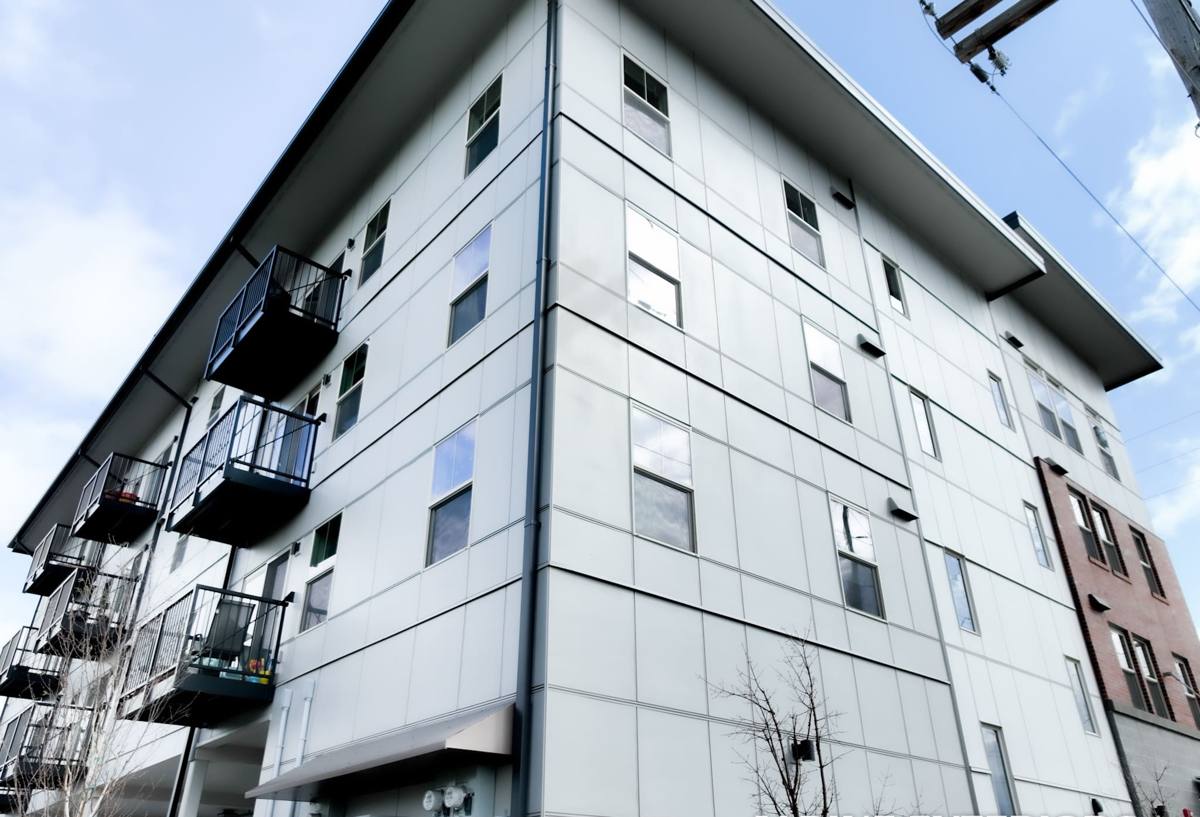
What Blaine Harbor's Location Does to Windows
Direct Salt Spray
Properties closest to the harbor and open bay don't just get salt-laden air carried in on a storm — they get closer to direct spray during windy, wet weather. Salt accelerates corrosion on window hardware, fasteners, and any exposed metal trim, and it breaks down lower-grade finishes and seals faster than a dry inland climate ever would. On a harbor-adjacent property, the margin for a cut corner on hardware or sealant grade is thinner than it is even a few blocks inland.
Wind-Driven Rain and Wind Load
Blaine sits near the Canadian border where Pacific storm systems make landfall with real force, and the harbor area takes that wind with almost nothing to break it. Storms don't just drop rain — wind pushes it sideways into window openings, flashing laps, and trim joints that would stay dry in a calmer setting. That sideways-driven moisture is exactly what a correctly flashed window is built to handle, and exactly what a poorly flashed one lets straight through.
A Long Moss and Mildew Season
Mild temperatures and near-constant moisture give moss and mildew a growing season that runs most of the year across Whatcom County, and window sills, trim, and the framing around older windows are common places it settles in. Shaded elevations and windows that don't get much direct sun through the winter months tend to show it first, and anything porous or slow to drain becomes a growth surface over time.
Signs a Blaine Harbor Home Needs Window Attention
- Fogging or visible moisture trapped between the panes of a double-pane window
- Drafts or cold spots near window frames even when the window is fully latched
- Wood trim or sills that feel soft, look discolored, or show visible rot
- Hardware that's stiff, corroded, or difficult to operate compared to how it used to work
- Visible gaps or daylight where the frame meets the siding or trim
- Paint or finish peeling, bubbling, or chalking faster than the rest of the exterior
- Rust staining below window hardware or fasteners, more common this close to the harbor
Replacement vs. Repair on a Harbor-Exposed Home
Not every window on a Blaine Harbor property needs full replacement. A window with a failed seal but a sound frame and functional hardware can often be a reasonable repair candidate. A window with rotted framing, corroded hardware that's been failing for years, or a warped sash usually isn't — at that point, the labor spent patching it repeatedly starts costing more over time than doing the replacement once, correctly.
| Condition | Repair Usually Makes Sense | Replacement Usually Makes Sense |
|---|---|---|
| Fogged glass, sound frame | Yes — reglaze or seal replacement | Only if the frame is also compromised |
| Corroded or stiff hardware | Yes — hardware replacement, marine-grade | Not on its own |
| Soft or rotted wood framing | Rarely a lasting fix this close to the water | Yes |
| Persistent drafts despite sealing | Sometimes, if flashing is the source | Yes, if the unit itself has failed |
| Single-pane, no storm window | Possible short-term fix | Yes, for real comfort and condensation gains |
The call is easier to make in person than over the phone. A window that looks fine from inside can have flashing or framing damage that's only visible once trim is pulled back, and that's especially true on harbor-side homes where moisture has had more opportunity to work its way in over the years.
What Correct Installation Involves This Close to the Water
A quality window installed with sloppy flashing will leak in this location. A mid-grade window installed correctly, with flashing that properly ties into the surrounding wall and siding, will generally hold up better and longer. In Blaine Harbor specifically, we don't treat any of the following as optional or upgrade items:
- Properly lapped flashing: Water needs to be directed out and away from the rough opening, not trapped behind it, with every seam sealed using materials rated for sustained moisture exposure.
- Caulk as a supplement, not a substitute: Caulk alone breaks down and cracks over time. It's meant to back up proper flashing, not replace it — and on harbor-exposed walls, a flashing-only approach fails faster than it would inland.
- Integration with the surrounding wall assembly: The flashing around a new window needs to tie into the existing siding and weather-resistive barrier correctly, or water finds the seam between old and new work.
- Marine-grade fasteners and hardware: Standard-grade fasteners corrode faster in direct harbor air, and that corrosion is one of the more common causes of early window failure we see on service calls in this area.
Common Mistakes We See on Older Harbor-Area Homes
On repair and replacement calls in Blaine Harbor, the most common source of water damage isn't the window unit itself failing — it's flashing that was never lapped correctly to begin with, or a full reliance on caulk where proper flashing should have been the primary line of defense. Both are easy to miss from the outside and expensive to ignore once moisture has been getting into the wall cavity for a season or two.
Choosing Window Materials for This Environment
We install vinyl and fiberglass window systems suited to the Pacific Northwest's wet, mild, salt-exposed climate, and we walk homeowners through real trade-offs rather than pushing one brand as the only correct answer. What matters most for a Blaine Harbor property is a tight, well-engineered frame, a glazing package that handles both energy performance and condensation resistance, and hardware rated to hold up under sustained direct marine exposure.
- Frame material: Vinyl and fiberglass both resist rot in a way uncladded wood-frame windows don't, which matters more here than almost anywhere inland in the county.
- Glazing package: Double or triple-pane options with low-E coatings help with energy performance and reduce interior condensation during Whatcom County's cold, damp stretches.
- Hardware grade: Corrosion-resistant, marine-rated hardware holds up longer against direct harbor air than standard-grade hardware, which can start pitting or sticking within a few years this close to the water.
- Warranty structure: A manufacturer's product warranty only covers the unit — we stand behind the installation itself separately, since installation quality is what actually determines how a window performs in this location.
How Window Work Ties Into the Rest of the House
Windows don't fail in isolation. A window replacement done without attention to the surrounding siding, trim, and drainage plane can look fine for a season or two and still leak, because water that gets past a poorly integrated window travels into the wall assembly rather than staying visible where it's easy to spot. We handle siding, roofing, windows, and decks as one connected exterior system rather than four separate trades, which matters on a harbor-exposed home where the same wind and salt load hits every part of the building envelope at once. The person doing the window flashing on a Blaine Harbor property should understand how it ties into the siding and roof-to-wall details around it — not just how to set a window square in an opening.
Our Process for Blaine Harbor Window Replacement
We start with an on-site look at the existing windows, checking frame condition, seal integrity, hardware function, and how the current flashing ties into the siding around each opening. From there we give a straightforward read on which windows are reasonable repair candidates and which make more sense to replace, along with a written scope before any work begins. Flashing and drainage detailing built for direct harbor exposure are handled as standard practice on every job, not offered as an optional upgrade.
We also talk through realistic timing. Window orders sized for a specific opening can take several weeks to arrive, and while the installation itself is usually a single day per typical home, we'd rather set that expectation up front than have a homeowner assume the job starts the day of the estimate.
A Checklist Before Hiring for Window Work in Blaine Harbor
- Ask specifically how they handle flashing integration with your existing siding, not just which window brand they sell
- Confirm current Washington contractor licensing and active liability insurance
- Get a written scope that separates the manufacturer's product warranty from the installer's workmanship warranty
- Ask whether they recommend repair or replacement, and why, for each affected window individually rather than a blanket answer
- Ask what hardware and fastener grade they use given the direct marine exposure this close to the harbor
Why a Local Crew Matters for Blaine Harbor Specifically
A contractor who works Blaine Harbor regularly already knows how direct salt spray and wind-driven rain behave on this stretch of shoreline compared to more sheltered inland parts of Whatcom County, or even other parts of Blaine set back from the water. That shows up in the decisions that matter most once the trim is back on the wall — how much lap a flashing detail gets, whether caulk is treated as a backup rather than the whole plan, and which hardware grade actually gets specified instead of just quoted. Those are the choices that determine whether a window installation holds up through one wet winter off the water or holds up for decades.
If you're dealing with drafty, foggy, corroded, or hard-to-operate windows on a Blaine Harbor property — or you're just not sure whether repair or replacement is the right call — we're glad to take a look and give you a straightforward, honest assessment. Reach out using the form below for a free, no-pressure estimate.