 Blaine Siding
 Windows for a Coastal Neighborhood
Birch Bay sits close enough to the water that its houses take a different kind of weather beating than homes a few miles inland in Blaine or elsewhere in Whatcom County. Salt-laden air off the bay works on metal hardware and finishes year-round. Wind-driven rain off the Strait finds every gap in a poorly sealed frame. And the long gray stretch from fall through spring — moss season, as most of us just call it — keeps wood trim and sills damp for months at a time. Windows in this neighborhood aren't just a comfort and appearance upgrade; they're one of the first things to show wear when they're the wrong product or the wrong install for the location.
This page covers custom window replacement and installation specifically for Birch Bay homes — what the climate here actually demands, what a correct install looks like, and how we run the job from first look to final walkthrough.
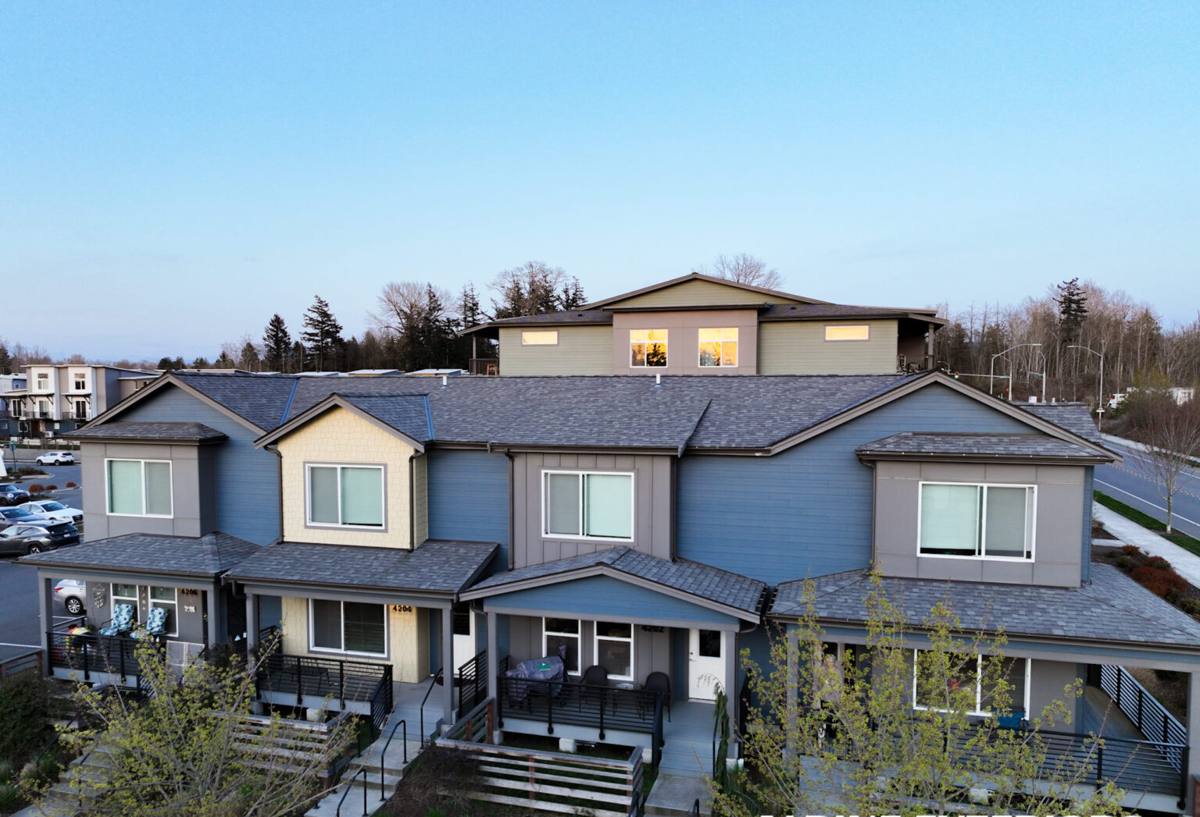
What Birch Bay's Climate Does to Windows
A few local realities drive most of the decisions on a Birch Bay window project:
- Salt air corrosion: Uncoated or cheaply finished aluminum and steel hardware — hinges, cranks, locks — corrodes faster this close to the water. It's one of the first failure points we see on older replacement windows out here.
- Wind-driven rain: Storms coming off the bay don't just fall straight down; they push rain sideways into wall assemblies. Flashing detail and sill pan work matter more here than they would on a sheltered inland lot.
- Prolonged dampness: Long stretches of overcast, wet weather mean any water that does get behind a window has less chance to dry out between rain events. That's what turns a small flashing gap into rot, given enough seasons.
- Wide indoor-outdoor temperature swings: Cold, damp exteriors against heated interiors drive condensation on poorly insulated glass and frames, which shows up as fogged glass or damp sills.
None of this means Birch Bay is an unusually hard place to build — plenty of homes here have handled decades of this weather just fine. It means the details of the product and the install matter more than they would somewhere drier and further from the water.
What a Correct Window Install Involves
Frame Material and Finish
For this location, we lean toward vinyl or fiberglass frames with corrosion-resistant hardware, or properly clad wood where the homeowner wants a wood interior look. The frame material matters less than the finish quality on anything metal — hinges, latches, and cranks should be rated for coastal exposure, not just standard-grade hardware that happens to be cheaper.
Flashing and Sill Pans
This is the step that determines whether a window lasts 25 years or starts leaking in five. Every opening gets a sill pan to direct any water that gets past the window back outside, plus flashing tape integrated with the home's weather-resistive barrier — not just caulk around the trim. Caulk is a backup layer, not the primary defense against wind-driven rain.
Glass Package
Double-pane, low-E glass with argon fill is the practical standard for this climate — it manages both the heat loss in winter and the condensation risk that comes with damp, cold exteriors. Triple-pane is available for homeowners who want the extra performance, but for most Birch Bay homes, a good double-pane low-E unit is the right value.
Air and Water Sealing
Proper shimming, backer rod, and low-expansion foam around the frame — sealed correctly on both the interior and exterior — keeps both air leakage and bulk water out. Over-foaming or under-sealing are both common shortcuts that cause problems later.
Custom Windows vs. Stock Replacement
"Custom" simply means the windows are built to the exact opening and the home's actual needs, rather than pulled from a limited stock-size lineup and shimmed to fit. For Birch Bay homes — many with older, non-standard framing — that precision fit is often what actually stops leaks, not just the product line chosen.
| Factor | Stock Replacement | Custom-Sized Windows |
|---|---|---|
| Fit | Nearest standard size, shimmed to fit opening | Built to the exact opening dimensions |
| Best for | Newer homes with standard framing | Older or irregular openings common in coastal builds |
| Sealing complexity | More gap to seal around shims | Tighter tolerances, less room for sealing gaps |
| Lead time | Often shorter, off-the-shelf sizes | Longer — built to order |
| Typical cost | Lower per window | Moderate premium for the exact fit |
Neither option is automatically "better" — it depends on the home. Part of our first visit is figuring out which openings genuinely need custom sizing and which don't, so homeowners aren't paying for custom work where stock sizing would do the job just as well.
Signs Your Birch Bay Windows Need Attention
- Fogging or moisture trapped between panes — the seal has failed and the insulating gas is gone.
- Soft or discolored trim and sill wood, especially on the side of the house facing the prevailing wind and rain.
- Hardware that's stiff, corroded, or won't latch fully — common on older aluminum cranks and locks near the water.
- Noticeable draft or cold spots near the frame in winter.
- Visible daylight or gaps around the frame from outside.
- Windows that are difficult to open, close, or lock — frames can shift slightly as wood swells and dries with the seasons.
Any one of these is worth a look. Several together usually mean the window and its surrounding flashing are due for replacement, not just a repair.
Our Process for a Birch Bay Window Project
- On-site assessment: We measure every opening, check the condition of the existing framing and sheathing behind the trim, and flag any moisture damage before it's priced.
- Product selection: We walk through frame material, glass package, and hardware options based on the specific exposure of the home — a wall facing the water gets treated differently than a sheltered side.
- Written scope and timeline: Homeowners get a clear breakdown of what's being replaced, the flashing and sealing method being used, and a realistic schedule.
- Removal and inspection: Old windows come out carefully so we can inspect the framing underneath — this is often when hidden moisture damage from old caulk-only installs turns up.
- Install with proper flashing: Sill pans, integrated flashing, correct shimming, and sealing on both faces of the wall.
- Final check and walkthrough: Every window is tested for smooth operation, proper latching, and a clean, weathertight seal before we call the job done.
Why a Local Crew Matters Here
A crew that regularly works Birch Bay and the surrounding Blaine area already knows which sides of a house typically take the worst weather, which older local framing details need extra attention, and how the moss and moisture pattern here plays out over a full year — not just at the time of install. That local pattern recognition shows up in small decisions: where to add extra flashing, which hardware grade is worth the upgrade, and how tight the sealing needs to be on a wall that faces open water versus one that's more sheltered.
It also means someone is nearby if a question comes up after the install — during the first hard windstorm of the season, for instance — rather than a crew that did one job in the area and moved on.
What This Kind of Project Typically Involves Cost-Wise
Costs on a custom window project depend on the number of openings, frame material, glass package, and how much of the surrounding trim or sheathing needs attention once the old windows come out. Rather than quote a number that won't reflect your actual home, we price every project after seeing the openings in person — that's the only way to give an honest figure instead of a placeholder that gets revised anyway.
| Cost Driver | Why It Matters Here |
|---|---|
| Number and size of openings | Sets the base scope of material and labor |
| Frame material and hardware grade | Coastal-rated hardware costs more but resists salt-air corrosion |
| Glass package | Low-E and argon-filled units cost more upfront, less to heat and cool |
| Condition behind the old window | Rot or moisture damage found during removal adds repair scope |
| Custom vs. stock sizing | Custom-built units run a premium over stock sizes |
If you're weighing custom windows for a home in Birch Bay, we're glad to come take a look, walk the openings with you, and put together a straightforward, no-pressure estimate — no obligation either way. Use the form below to get started.