 Blaine Siding
 Why Windows Wear Out Faster in Sandy Point
Sandy Point sits right up against the water, and that location cuts both ways. The views are part of why people live there, but the same exposure that makes the setting special is hard on a house. Salt-laden air off the water works on metal hardware, aluminum frames, and even the fasteners holding trim in place. Wind-driven rain off the Strait doesn't just wet a window — it pushes moisture sideways and upward, testing seals and flashing details that a house set further inland would rarely face. Add a long, damp moss season that keeps humidity high for months at a time, and you have a climate that will find every weak point in a window's construction and installation.
None of this means windows in Sandy Point are doomed to fail early. It means the margin for error is smaller. A window and installation method that would be perfectly adequate in a drier, more sheltered part of Whatcom County can fall short here, especially on walls facing the water or prevailing weather.
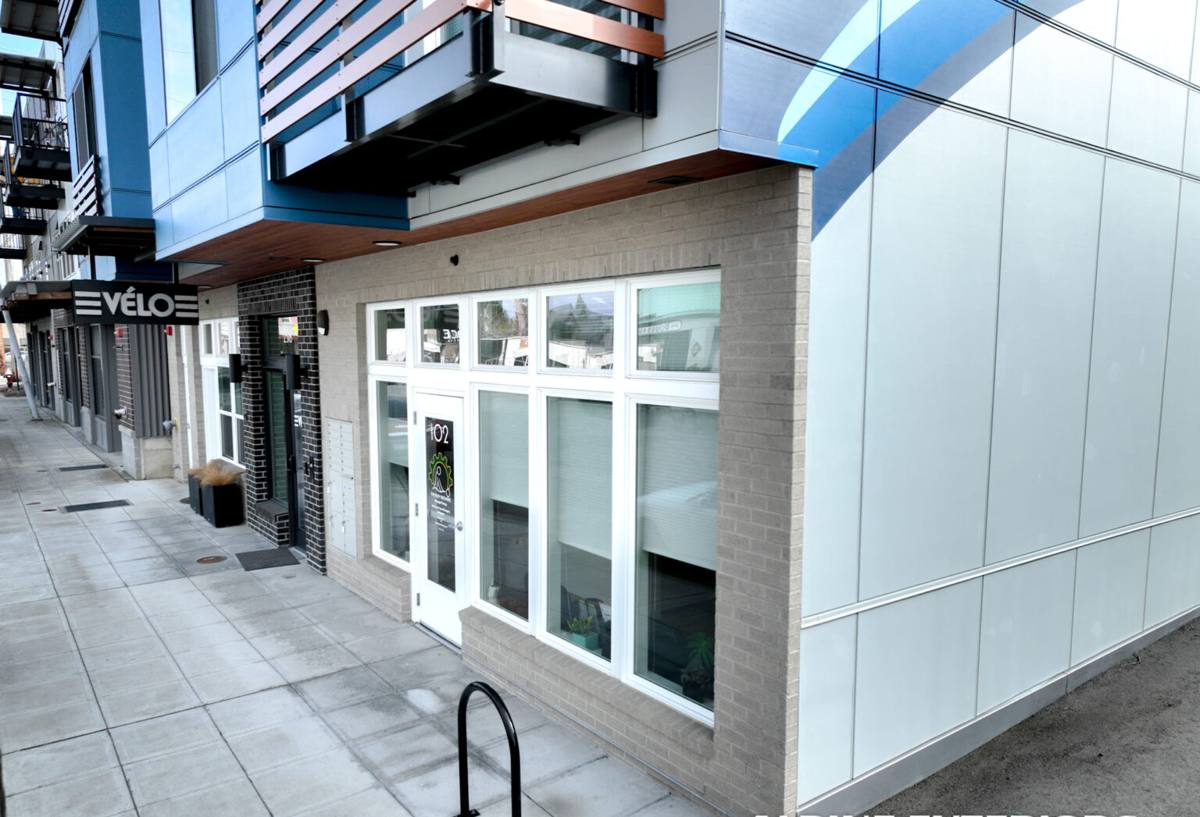
Signs a Sandy Point Home Needs Window Replacement
Because salt air and moisture work slowly, a lot of window failure in this area shows up as small annoyances before it becomes an obvious problem. Worth checking for:
- Fogging or a hazy film between the panes of double-pane glass — the seal has failed and the gas fill is gone
- Corrosion or chalky white buildup on aluminum frames or hardware, a common sign of salt exposure
- Wood sashes or sills that feel soft, or paint that's bubbling and peeling faster than it should
- Drafts you can feel with a hand near the frame on a windy day
- Windows that are hard to open, close, or lock — swollen wood or warped vinyl frames are usually the cause
- Visible moss or dark streaking building up on horizontal frame surfaces or below the sill
- Condensation forming on the inside of the glass regularly, not just on the coldest mornings
Any one of these on its own might just need a repair. Several at once, or a window over 20 years old, usually means replacement is the more honest answer than patching.
What a Correct Window Replacement Job Actually Involves
It's Not Just the Window Unit
The window itself gets most of the attention, but in a location like Sandy Point, the installation details matter as much as the product. A high-quality window installed with poor flashing will leak eventually. A modest window installed correctly, with attention to water management, will often outlast it. The parts of the job that don't show once it's finished are the parts that determine whether it holds up:
- Removing the old unit without tearing the surrounding wall covering more than necessary
- Inspecting the rough opening and sheathing for hidden water damage or rot before anything new goes in
- Installing house wrap and flashing tape in the correct shingle-lap order so water sheds outward, not into the wall
- Setting a sloped sill pan so any water that does get past the window drains back out, not into the framing
- Sealing and insulating the gap around the frame properly, without over-filling with foam that can bow the frame
- Finishing exterior trim and caulking with a sealant rated for the movement and moisture cycling this climate produces
Frame Material Matters More Here Than Inland
In a sheltered inland yard, frame material is mostly an aesthetic and budget decision. On a waterfront lot in Sandy Point, it's also a durability decision. Wood offers a traditional look but needs consistent upkeep — paint or stain failure lets moisture in fast in a salt-air environment. Bare aluminum is prone to corrosion and forms condensation readily, which is part of why we don't recommend it for water-facing walls here. Vinyl and fiberglass both handle moisture without rotting or rusting, which is why they've become the practical choice for most Whatcom County coastal homes, vinyl for value and fiberglass where higher wind and impact resistance is worth the added cost.
Comparing Frame Materials for a Water-Facing Blaine Home
| Frame Material | Salt-Air Durability | Maintenance | Typical Cost |
|---|---|---|---|
| Vinyl | Good — won't rust or rot | Low — occasional cleaning | Lower |
| Fiberglass | Very good — dimensionally stable in temperature swings | Low | Higher |
| Wood (unclad) | Fair — needs a sound paint/stain barrier | High — repaint/reseal on a schedule | Higher, plus upkeep cost |
| Wood-clad (vinyl or aluminum exterior) | Good on the exterior face; interior wood still needs care | Moderate | Higher |
| Bare aluminum | Poor in direct salt exposure — prone to pitting and corrosion | Moderate to high | Lower |
These are general trends, not guarantees — a poorly installed fiberglass window will still leak, and a well-installed vinyl window can perform for decades. The table is a starting point for a conversation about your specific exposure, not a substitute for one.
Our Process for a Sandy Point Window Replacement
- On-site assessment — we look at each window's exposure (which walls take the worst of the wind and rain), current condition, and any signs of water intrusion already in the wall.
- Product recommendation — we match frame material and glass package to the wall's exposure rather than recommending the same window for every opening on the house.
- Written proposal — sizes, materials, glass specs, and total cost laid out clearly before any work starts, so there are no surprises later.
- Removal and inspection — old units come out carefully, and we check the sheathing and framing underneath before closing anything back up.
- Installation with proper water management — sill pans, flashing, and sealants installed in the correct sequence, not just caulked around the edges.
- Interior and exterior finish work — trim, caulking, and touch-up so the job looks finished inside and out, not just weathertight.
- Final walkthrough — every window opened, closed, and locked with you before we consider the job done.
Cost Factors to Expect
Every home is different, but the variables that move the price on a Sandy Point window job are fairly consistent:
| Factor | Why It Affects Cost |
|---|---|
| Number and size of windows | Larger units and picture windows cost more in material and labor than standard sizes |
| Frame material chosen | Fiberglass and clad-wood run higher than standard vinyl |
| Wall exposure | Water-facing walls sometimes need extra flashing detail or sill pan work |
| Condition of the rough opening | Hidden rot or water damage found during removal adds repair time before the new window goes in |
| Glass package | Low-E coatings, gas fills, and impact-resistant glass all add cost but also performance |
| Access and site conditions | Waterfront lots, second-story windows, and limited staging space can add labor time |
We'd rather walk your specific windows and give you real numbers than quote a broad range that doesn't mean much for your house.
Why a Crew That Already Works in Sandy Point Matters
Window replacement isn't a one-size-fits-all job, and a contractor who mostly works drier, more sheltered sites can underestimate what a waterfront wall in Whatcom County needs. A crew that's already worked in Sandy Point has seen how far wind-driven rain travels up a wall face here, how quickly moss builds on north-facing trim, and which flashing details actually hold up through a wet winter rather than just looking right on installation day. That experience shows up in fewer callbacks and fewer surprises once the caulk lines start to see real weather.
Local familiarity also helps with practical logistics — knowing typical permitting expectations for the area, working around tide and weather windows for exterior access, and being realistic with homeowners about which upgrades are worth the cost on a water-facing wall versus a sheltered one.
Protecting Your New Windows After Installation
A correctly installed window in this climate still benefits from a little seasonal attention:
- Rinse salt residue off frames and glass periodically, especially after storms with onshore wind
- Check exterior caulking once a year for cracking or separation, particularly on water-facing walls
- Clear moss and organic debris off horizontal sills and trim before it holds moisture against the surface
- Make sure gutters and downspouts near windows are clear so runoff isn't sheeting across the glass and frame
- Operate locks and hardware a few times each season so mechanisms don't seize from disuse plus moisture
None of this is heavy maintenance — it's the kind of thing that takes an hour a year and meaningfully extends the life of the investment.
If your windows in Sandy Point are fogging, drafty, hard to operate, or just showing their age, we're happy to take a look and give you a straightforward, no-pressure estimate. Use the form below to get started.