 Blaine Siding
 Grandview's Roofs Take a Different Kind of Beating
Homes in the Grandview area of Blaine sit close to the water, and that changes what a roof has to survive year after year. Salt-laden air off the bay works its way into fasteners, flashing, and vent boots faster than it would inland. Driving rain — pushed sideways by wind off the Strait rather than falling straight down — finds gaps that a calmer climate would never expose. And Whatcom County's moss season isn't a two-week nuisance; it can run from early fall through late spring, which means a roof here spends more months of the year wet and shaded than dry and sun-warmed. None of that is exotic or rare, but together it adds up to a roof that ages differently than one in a drier part of the state, and a repair that doesn't account for it usually fails again within a year or two.
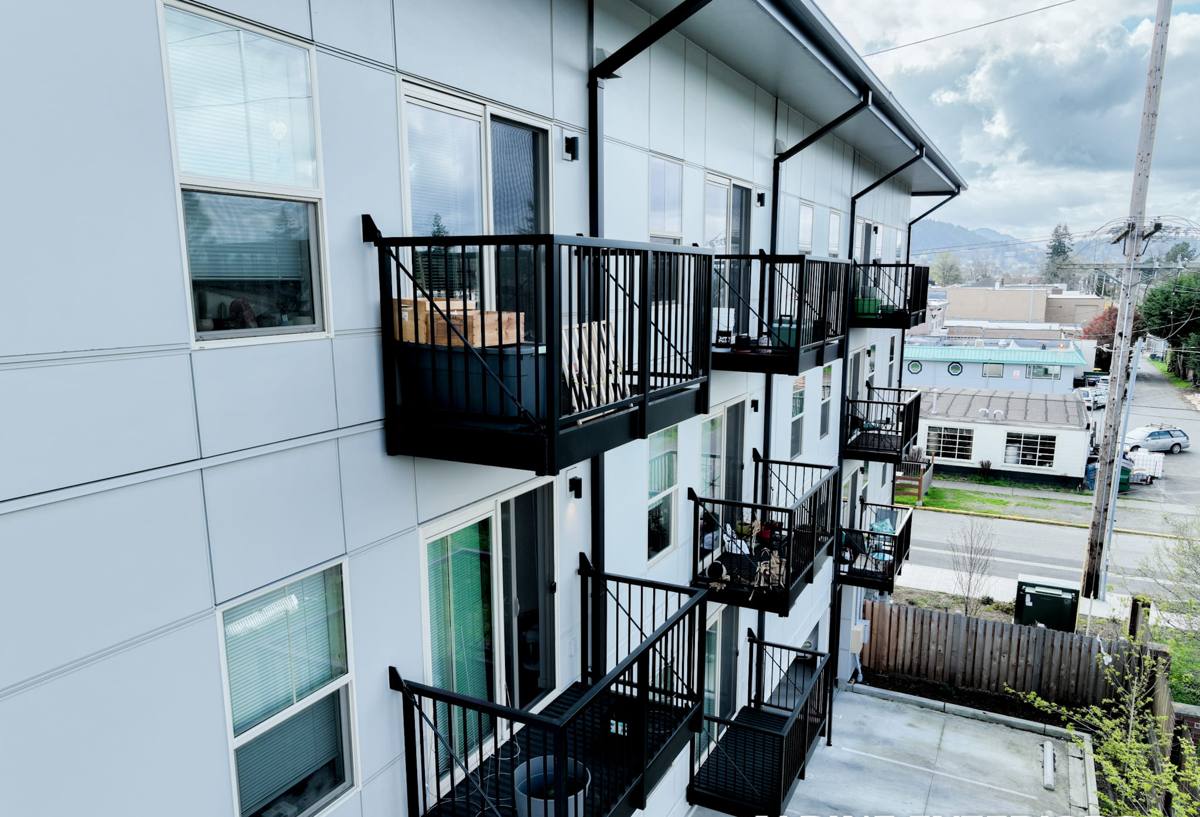
The Roof Problems We See Most Often in Grandview
We're a siding company, and most of the roof work we get called for starts at exactly the place where siding and roofing meet — or where flashing has quietly failed and nobody noticed until water showed up inside. The patterns repeat across the neighborhood:
- Moss and algae buildup on north-facing and shaded slopes, holding moisture against shingles or panels long after the rest of the roof has dried out.
- Flashing failures around chimneys, skylights, vent pipes, and roof-to-wall intersections, where thin metal or old sealant has cracked, lifted, or rusted through.
- Wind-driven rain intrusion at eaves, valleys, and rake edges, especially on the sides of the house that face open water or an unobstructed wind path.
- Clogged or undersized gutters that back water up under the shingle edge instead of carrying it away.
- Nail pops and fastener corrosion from repeated wet-dry-freeze cycling, which loosens shingles and siding trim alike over time.
Any one of these can cause a leak. Most of the time, we find two or three working together — moss holding water against a slope that's already losing granules, feeding into a flashing joint that was marginal to begin with.
What Goes Into an Honest Roof Repair
Finding the Actual Source of the Leak
Water almost never enters where it shows up on the ceiling. It can travel along a rafter, follow a nail shank, or run behind a wall for several feet before it finally drips somewhere visible. A repair that just patches the spot above the stain is guessing. We trace the path from the interior damage back up through the attic or wall cavity, checking insulation, sheathing, and framing for moisture along the way, before we ever touch the exterior. That's the difference between a repair that holds and one that reappears the next hard rain.
Repairing the Right Way, Not Just Patching
Once we know where the water is actually getting in, the repair itself has to match how that roof system is built. Shingles get pulled back, not just caulked over, so we can replace underlayment and flashing that's actually failed. Metal flashing gets re-bent and re-fastened, or replaced outright, rather than smeared with sealant as a shortcut. Sealant has a place — it's not the enemy — but it's a finishing detail on a mechanically sound repair, not a substitute for one. Roofing cement smeared over a bad flashing joint might buy a season, but in this climate, with this much rain, it's not a repair we'll put our name on.
| Factor | Why It Changes the Repair |
|---|---|
| Extent of the damage | A single failed flashing joint is a straightforward fix; damage that's spread into sheathing or framing takes longer and costs more to do right. |
| Roof pitch and access | Steeper slopes and taller homes need more setup time and safety equipment, which affects labor. |
| Roofing material | Composition shingle, cedar shake, and metal each repair differently and need matching materials on hand. |
| Moss and algae severity | Heavy growth often needs careful removal before the actual repair can even be assessed. |
| Age of the existing roof | An older roof nearing the end of its service life may only be worth a targeted repair, not a larger investment. |
Our Roof Repair Process
We keep the process straightforward because homeowners are usually dealing with an active leak, not shopping for a remodel.
- Inspection. We look at the roof, the flashing, the gutters, and — since we know siding — the wall-roof intersections that get missed in a roof-only inspection.
- Interior and moisture check. If there's been a leak, we check the attic, insulation, and framing to see how far the water actually traveled.
- Written scope and estimate. You know what we found, what we recommend, and what it costs before any work starts.
- The repair itself. Done to match the existing roof system, using materials suited to a marine climate.
- Cleanup and a final check. We don't consider a leak repair finished until we've confirmed the water path is actually closed.
Moss and Algae: Blaine's Long Wet Season
Moss doesn't just look bad — it lifts shingles as it grows, traps moisture underneath, and accelerates granule loss on composition roofing. In Whatcom County, where shaded, cool, damp conditions can persist for months at a stretch, a roof that's never treated for moss will grow it back faster than a homeowner expects. Removal has to be done carefully: scraping too aggressively can do more damage than the moss itself, especially on older or brittle shingles. We remove growth by hand rather than pressure-washing it off, and we'll tell you honestly if a section is too far gone to save versus a section that just needs a good cleaning and a preventive treatment.
Where Roofs and Siding Meet — the Leak Point Most Roofers Skip
This is the part of roof repair we probably think about more than a roofing-only crew would. Every place a roofline meets a wall — a dormer, a chimney chase, a lower roof tying into a two-story wall — needs step flashing and, in a lot of cases, kickout flashing to direct water away from the siding instead of behind it. When that detail is missing or was installed wrong the first time, water runs down inside the wall assembly for years before it ever shows up as a stain. Because we install and repair siding every week, we know what these intersections are supposed to look like from both sides, roof and wall, and we check them as a matter of course — not as an upsell.
Repair or Replace? An Honest Comparison
Not every roof problem is a repair, and we're not going to tell you it is just to get the smaller job. Here's roughly how we think about it:
| Repair usually makes sense when | Replacement usually makes sense when |
|---|---|
| The damage is isolated to one area — a flashing joint, a section of shingles, a vent boot | Damage or moss coverage is spread across most of the roof |
| The roof is less than roughly two-thirds through its expected service life | The roof is old enough that any repair is just delaying a full replacement |
| Underlying sheathing and framing are still sound | Moisture has reached and damaged the decking or framing in multiple spots |
| You need a fix now and a longer-term plan later | You're already budgeting for a full re-roof |
We'll always give you the repair option first if it's a genuinely sound long-term fix. If it isn't, we'll say so plainly and explain why, rather than let you pay twice.
Signs a Grandview Roof Needs Attention
Most leaks give some warning before they show up as a stain on the ceiling. Worth checking for:
- Moss or dark algae streaking on shaded slopes, especially the north side of the roof
- Granules collecting in gutters or at downspout outlets
- Shingles that look curled, cracked, or lifted at the edges
- Daylight visible through the attic roof deck
- Soft or discolored spots on interior ceilings near exterior walls
- Flashing around chimneys or vents that looks rusted, cracked, or pulled away
- Water stains on siding just below a roofline or dormer
- Gutters that overflow during a heavy rain instead of draining clear
Any one of these is worth a call before the next big storm, not after.
Why Hire a Crew That Already Works in Grandview
A roof repair done by someone unfamiliar with this stretch of Whatcom County is more likely to miss the details that actually matter here — which slopes hold moss longest, which wall-roof intersections take the worst of the wind-driven rain, how much salt exposure a given exterior gets depending on which way it faces the water. We work in Grandview and the surrounding Blaine area regularly, which means we're not learning the local climate on your roof. We show up knowing what a repair here actually needs to hold up, and we tell you plainly when it's a small fix versus something bigger — no upselling, no guesswork.
If you've noticed moss, a stain, or a drafty spot near the roofline, it's worth getting a second set of eyes on it before the next storm rolls in. We offer free, no-pressure estimates — use the form below to get one scheduled.