 Blaine Siding
 Building New in California Creek? The Windows Deserve as Much Attention as the Foundation
California Creek sits close enough to salt water and open exposure that new-construction windows here are doing more work than the same product would in a sheltered inland lot. Builders and homeowners planning a new home in this part of Whatcom County need to think about window selection and installation sequencing before the walls are even framed, not after drywall goes up. Get the window opening wrong at the rough-in stage and no amount of caulking will fix it later.
We install new-construction windows specifically for homes in this area, which means we plan around the same conditions every time: salty marine air moving in off the water, long stretches of driving rain, and a moss season that can run half the year in a wet Pacific Northwest winter. This page walks through what that means for your project.
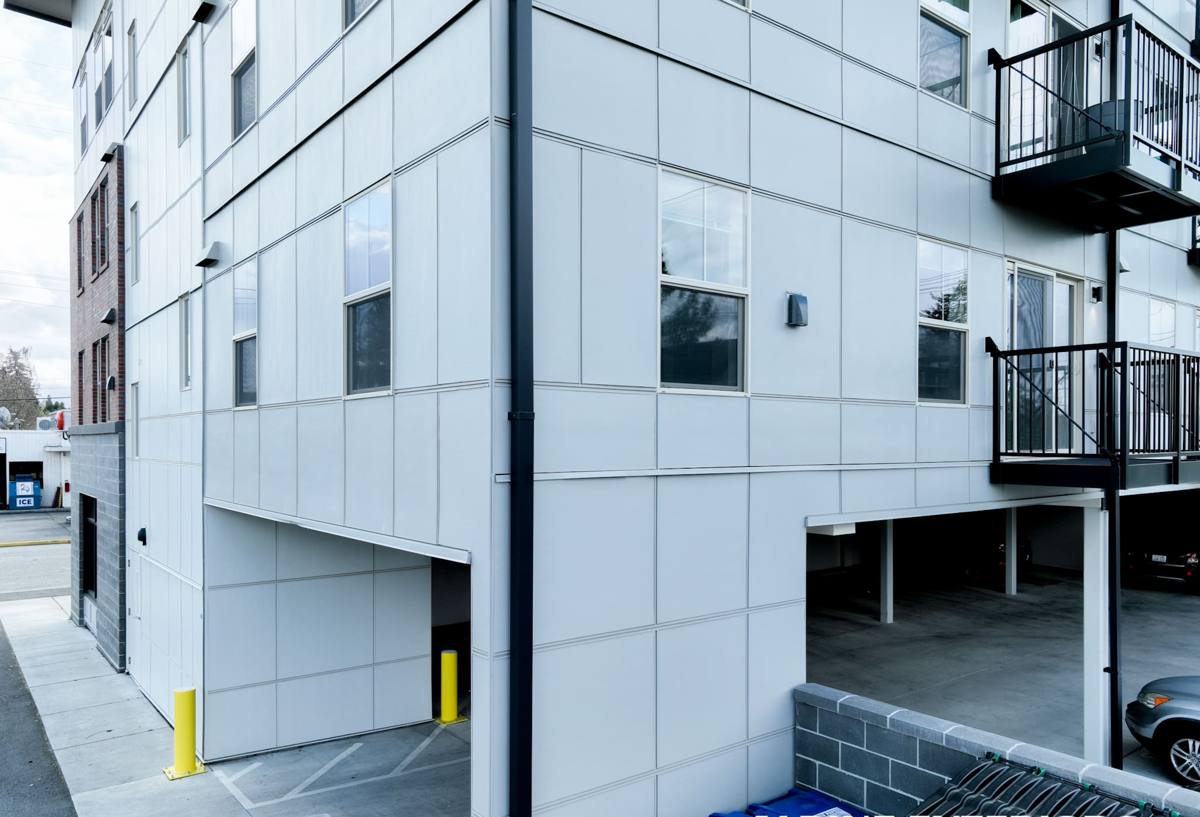
What California Creek's Climate Actually Does to a Window Opening
Salt air
Homes near the water take on airborne salt that settles on glass, frames, and especially hardware and fasteners. Over years, this accelerates corrosion on lower-grade metal components and can dull or pit finishes that weren't rated for coastal exposure. It's rarely dramatic — it's slow, cumulative wear that shows up as sticking locks, streaked glass, and frames that age faster than they should.
Driving rain
Wind-driven rain doesn't just fall on a window, it gets pushed sideways and upward into every gap in the opening. On new construction, this is a flashing and water-management problem more than a window problem. The window itself can be excellent and still leak if the sill pan, house wrap integration, and flashing tape sequence around it are done out of order or skipped.
Moss season
Extended damp periods keep exterior surfaces wet for days at a time. Moss and algae take hold anywhere water sits or drains poorly — window sills, trim ledges, and the tops of casing are common spots. On a new build this is preventable with the right sill slope, drip caps, and trim details decided before installation, not something to fight with cleaner after the fact.
What "Correct" Looks Like on a New-Construction Window Job
New construction gives us an advantage over a retrofit: we're installing into a raw rough opening with no old window, old flashing, or old rot to work around. That's a real opportunity to do it right the first time, but only if the sequence is followed carefully.
- Rough opening checked for square, level, and correct dimension before the window ever arrives on site
- Sill pan flashing installed to shed water back outside, sloped so nothing can pool at the sill
- Weather-resistive barrier (house wrap) integrated with the window flange in the correct shingle-lap order so water always drains outward and downward
- Corner and jamb flashing tape applied without gaps, wrinkles, or reverse laps
- Window set plumb, square, and level, then fastened per the manufacturer's schedule — not just "close enough"
- Interior and exterior sealant applied only where it belongs, leaving a drainage path at the sill rather than sealing it shut
- Final check for proper reveal, smooth operation, and lock engagement before trim goes on
Skipping or reordering any one of these steps is the single most common cause of new-construction window leaks — and it's almost always invisible until the first real driving-rain storm, sometimes not until a wall gets opened up years later.
Choosing the Right Frame Material for This Environment
There's no single "best" window material for every home, but some materials handle salt air, moisture cycling, and long wet seasons better than others. We walk through this with every California Creek homeowner based on their budget, style, and how close the lot sits to open water.
| Frame Material | Coastal/Salt Air Behavior | Moisture & Moss Resistance | Typical Trade-offs |
|---|---|---|---|
| Vinyl | Good — won't corrode, resists salt buildup | Good, low maintenance | Fewer color/finish options, can flex in large sizes |
| Fiberglass | Excellent — very stable, doesn't pit or corrode | Excellent, dimensionally stable in wet/dry cycles | Higher upfront cost |
| Wood-clad | Fair — cladding protects wood, but any breach exposes wood to rot | Requires vigilant sealing and upkeep | Best interior warmth/look, most maintenance-sensitive |
| Aluminum | Fair — prone to corrosion near salt water unless properly coated | Conducts cold, can condensate more in damp climates | Slim sightlines, lower cost, less common as our recommendation this close to the water |
For lots with direct water exposure or open wind fetch, we lean homeowners toward fiberglass or quality vinyl for the frame itself — not because other materials are bad products, but because they hold up with less ongoing maintenance in this specific environment. Wood-clad windows can still be the right call for the look a homeowner wants; we just make sure they understand the maintenance commitment that comes with it here.
Hardware and Glass: The Details That Matter Near Salt Water
Two details get overlooked on new builds that matter more in a coastal climate than an inland one:
- Hardware finish — locks, hinges, and cranks should carry a corrosion-resistant finish rated for coastal or marine-grade use. Standard hardware can start showing wear within a few seasons this close to salt air.
- Glass package — a low-E, dual-pane (or triple-pane for exposed elevations) unit with a good warm-edge spacer reduces condensation on cold, damp days, which in turn reduces the moisture sitting at the sill where moss and mildew get a foothold.
Our Process for a New-Construction Window Install
- Plan review — we look at your window schedule and elevations before framing is finished, flagging any openings that face prevailing wind and rain or sit close to grade or water.
- Product selection — we walk through frame material, glass package, and hardware options against your budget and the home's exposure.
- Rough opening verification — every opening is checked before install day so there are no surprises with framing tolerances.
- Flashing and install — sill pans, house wrap integration, and window setting done in the correct sequence, on schedule with your framing and siding crews.
- Final inspection — operation, seal, and reveal checked on every unit before we call the job complete.
Why a Crew That Already Works California Creek Matters
New-construction window installation isn't just about the window — it's about how that window integrates with everything around it: the house wrap, the siding, the trim, and the drainage plane. A crew that regularly works this specific area already understands the wind exposure and rain patterns typical of lots near the water in this part of Blaine, and builds in the extra margin that a more sheltered, inland job wouldn't need. That's not something you can fully spec out on paper — it comes from having done the work here before, coordinated with other trades on local builds, and seen firsthand what holds up through a wet Whatcom County winter and what doesn't.
What Drives Cost on a New-Construction Window Package
| Cost Factor | Why It Matters |
|---|---|
| Frame material | Fiberglass and premium vinyl cost more upfront than basic vinyl or aluminum, but typically need less maintenance in this climate |
| Glass package | Upgraded low-E coatings and triple-pane options add cost but improve comfort and reduce condensation |
| Window size and count | Larger openings and more units increase both material and labor cost |
| Exposure | Elevations facing prevailing wind and rain may warrant upgraded flashing details or better-rated units |
| Hardware finish | Marine-grade or corrosion-resistant hardware costs a bit more but lasts longer near salt air |
We give straightforward, itemized numbers so you can see exactly where the budget is going and where it makes sense to upgrade versus where a standard option does the job fine.
A Homeowner's Post-Move-In Checklist
Once you're in the home, a little seasonal attention keeps new windows performing the way they should through Blaine's wet stretches:
- Check sills and trim for moss or algae buildup each fall before the wet season sets in
- Rinse salt residue off glass and frames periodically if you're close to the water
- Confirm weep holes at the sill stay clear of debris so water can drain outward
- Operate locks and cranks a few times each season so hardware doesn't seize up
- Watch for any soft spots in exterior trim near window corners, an early sign water is getting behind the siding
If you're planning new construction in California Creek and want windows specified and installed correctly from the start, we're happy to walk your plans and give you a straightforward, no-pressure estimate. Use the form below to get in touch.