 Blaine Siding
 Board & Batten Siding for Lynden-Area Homes
Board and batten has a specific look — wide vertical panels with narrow strips covering each seam — and it's a style a lot of homeowners around Lynden ask for by name. It reads as clean, tall, and a little bit farmhouse without looking dated, which is probably why it shows up so often on newer builds and remodels out this way alongside more traditional horizontal lap siding. But the style people picture and the product that actually survives Whatcom County weather for 30+ years are two different conversations, and we'd rather have that conversation up front than after a job goes in wrong.
This page is about board and batten specifically, installed on homes in and around Lynden, by a crew that works this part of Whatcom County regularly. It's not a general siding page with the word "Lynden" dropped in — it's what we've learned installing this exact siding style in this exact climate.
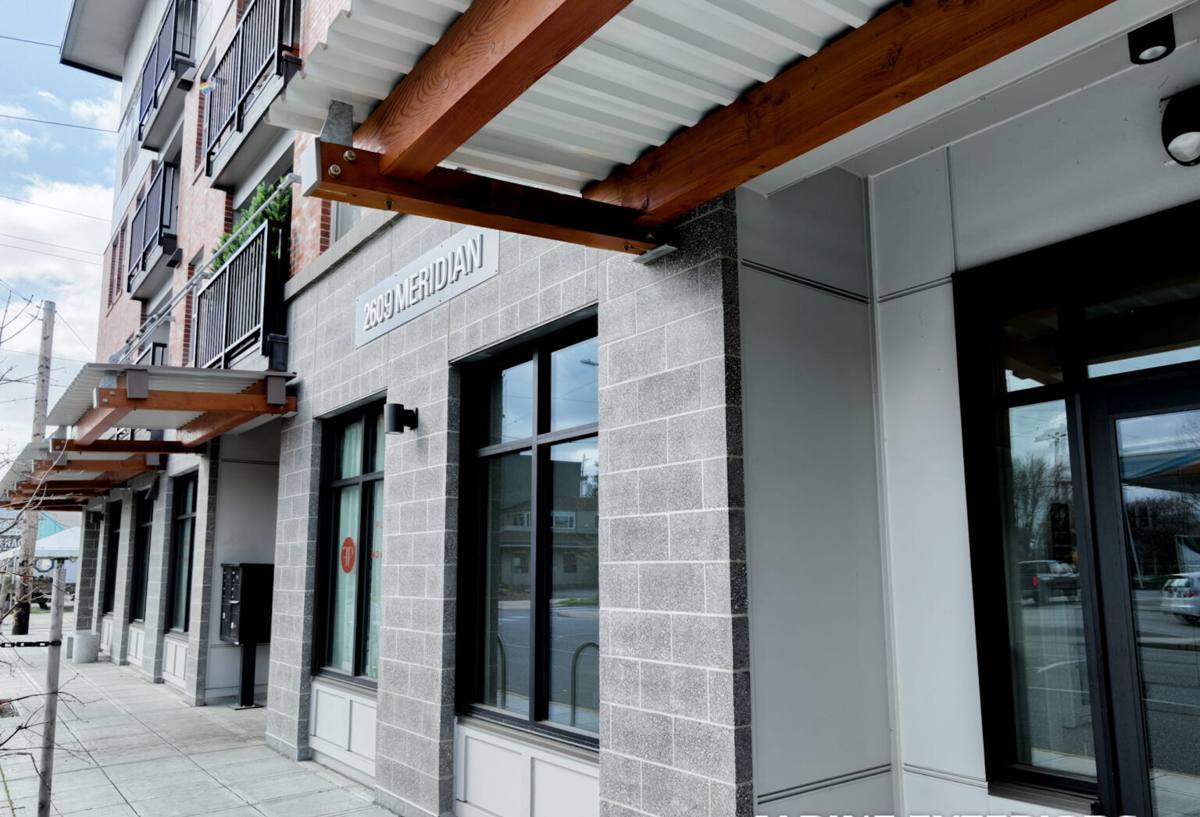
What This Climate Does to Vertical Siding
Whatcom County's weather isn't dramatic, it's relentless. Long stretches of driving rain, a marine air mass that carries salt and moisture well inland off the Salish Sea, and a fall-through-spring window where surfaces just don't fully dry out. That combination is what people around here call "moss season," and it's less a season than most of the year.
Vertical siding styles interact with that weather differently than horizontal lap siding does. A few things matter more with board and batten:
- Water runs straight down the panel face instead of shedding off overlapping courses, so the material's face has to genuinely resist moisture, not just shrug off drips.
- Battens create extra seams and fastener lines — every batten is a strip of material and a row of fasteners that has to stay sealed for decades, not years.
- North-facing and shaded walls — common on tree-lined lots around Lynden — stay damp longer, which is exactly where moss, algae, and moisture-driven rot get a foothold first.
- Wind-driven rain off open farmland can push moisture sideways into seams that would stay dry in a calmer setting.
None of that means board and batten is a bad choice here. It means the material and the installation details matter more with this style than with a lot of others, and that's exactly where corners get cut.
Board & Batten Done Right — What's Actually Involved
The panel underneath the battens
The vertical panel doing the real work of keeping water out. It needs to be dimensionally stable (won't swell, cup, or warp when it's wet for months at a time), hold paint or factory finish without repeated recoating, and resist the freeze-thaw cycling that shows up on cold, damp mornings even in a relatively mild coastal climate.
The battens themselves
Battens aren't just decorative — every batten covers a seam and every fastener through it is a potential water entry point if it isn't placed, spaced, and sealed correctly. Batten spacing that ignores the panel manufacturer's engineering, or fasteners driven without proper edge distance, is one of the most common corner-cutting failures we see on vertical siding jobs in this region.
Rainscreen and drainage plane
A correct board and batten installation includes a drainage gap behind the panel — not the panel nailed flat against the wall — so any moisture that does get past the face has somewhere to go besides into the sheathing. Skipping this is invisible on install day and expensive five years later.
Flashing at every transition
Windows, doors, roof lines, and the bottom termination at the foundation all need proper flashing detail. Vertical siding has fewer natural overlaps than lap siding to hide a flashing mistake, so these details have to be right the first time.
James Hardie Board & Batten Options
We install James Hardie fiber cement exclusively, and board and batten is one of the styles Hardie's product line handles well when it's engineered for this look rather than improvised on site. That typically means HardiePanel vertical siding paired with HardieTrim battens, both run through Hardie's ColorPlus factory finish process.
- Fiber cement panel core — non-combustible, dimensionally stable, and engineered specifically for this region's wet-dry cycling under Hardie's HZ5 product line.
- Factory-applied ColorPlus finish — baked-on color with UV-cured adhesion, which matters more on board and batten than lap siding because there's more flat, sun- and rain-exposed panel face per square foot.
- Purpose-made battens — HardieTrim boards sized and rated to be installed as battens, not general trim stock pressed into batten duty.
- Manufacturer installation specs — Hardie publishes fastener spacing, gap requirements, and flashing details specific to vertical panel and batten applications, which is what a correct installation actually follows.
We don't install LP SmartSide, vinyl board-and-batten panels, or unfinished cedar board and batten. Each has a place in the market, but none of them hold up to this specific climate and this specific style the way factory-finished fiber cement does over the long run — vinyl panels flex and gap at the seams over time, engineered wood products need consistent maintenance to keep moisture out of the core, and raw cedar demands a recoating schedule most homeowners don't keep up with. We'd rather tell you that plainly than sell you something we don't believe in.
Board & Batten Style Options Compared
| Material | How it handles this climate | Long-term maintenance |
|---|---|---|
| James Hardie fiber cement panel + battens | Non-combustible, dimensionally stable, engineered for wet coastal-influenced climates | Occasional wash; ColorPlus finish typically outlasts field-painted alternatives |
| Real wood board and batten (cedar/spruce) | Authentic look but wood moves and absorbs moisture in sustained wet weather | Recoating/repainting on a recurring cycle; vulnerable to rot at battens if maintenance lapses |
| Engineered wood (LP SmartSide style) | Resists impact well but relies on unbroken factory coating to keep moisture out of the core | Any coating breach needs prompt repair; edge and seam sealing is maintenance-critical |
| Vinyl vertical/board-and-batten panel | Won't rot, but expands/contracts more with temperature and can gap at seams | Low maintenance but limited repair options if a panel cracks or fades unevenly |
Our Process for a Lynden Board & Batten Project
- On-site assessment — we look at wall orientation, existing moisture damage, shading, and how the current siding has performed, since that tells us a lot about what your specific lot does to a wall over a Whatcom County winter.
- Tear-off and sheathing check — old siding comes off and we inspect the sheathing underneath before anything new goes up. Board and batten hides fewer sins than lap siding, so this step isn't optional.
- Moisture barrier and drainage plane — proper house wrap or building paper, installed to shed water down and out, with a rainscreen gap behind the panel.
- Panel installation to Hardie spec — correct fastener type, spacing, and edge clearance for HardiePanel vertical siding.
- Batten installation — HardieTrim battens placed and fastened to manufacturer spec, not eyeballed spacing.
- Flashing and sealant detail at every window, door, corner, and termination point.
- Final walkthrough — we go over the finished job with you before we consider it done.
Cost Factors for Board & Batten Siding
| Factor | Why it moves the price |
|---|---|
| Wall height and story count | Vertical panels and battens on a two-story elevation take more staging, cutting, and labor time than a single story |
| Number of window/door openings | Each opening adds flashing and trim detail that has to be done correctly, not just quickly |
| Condition of existing sheathing | Rot or moisture damage found during tear-off adds repair scope before new siding can go on |
| Batten spacing and panel width chosen | Narrower reveals mean more battens, more fasteners, and more labor per square foot |
| Color selection | Factory ColorPlus finishes come in a range of standard colors; custom field-painted finishes cost more and shift maintenance back onto the homeowner |
We give exact numbers after a walkthrough, not before — anyone quoting a board and batten job over the phone without seeing your walls is guessing.
What to Ask Before Hiring for a Board & Batten Job
- Have they installed board and batten specifically, not just lap siding, and can they explain the difference in installation detail?
- Do they follow the manufacturer's published fastener and batten spacing specs, or "what's always worked"?
- Is a rainscreen/drainage gap included, or is the panel going straight against the wrap?
- Who inspects the sheathing during tear-off, and what happens if they find damage?
- What's the warranty structure — on the material, the finish, and the labor — and who backs each one?
Why a Crew That Already Works Lynden Matters
Board and batten installed wrong doesn't fail on day one — it fails quietly, at the seams and behind the battens, over a couple of wet Whatcom County winters. A crew that's already done this style on homes in and around Lynden has seen how the local combination of driving rain, shaded lots, and long moss seasons actually plays out on a wall, not just how it's supposed to work in a manual. That's the difference between a board and batten job that still looks sharp in ten years and one that's showing streaking, gapped battens, and moss lines by year three.
If you're considering board and batten for a home in the Lynden area, we're glad to walk your property, look at your walls and exposure, and give you a straight answer on what it would take to do it right — no pressure, no obligation. Reach out below for a free estimate.