 Blaine Siding
 Building a Deck That Actually Holds Up in Grandview
Grandview is a quieter residential stretch of Blaine, and like the rest of this corner of Whatcom County, it sits close enough to the water that the air itself works against wood, fasteners, and finishes year-round. A deck built here with generic, catalog-spec materials and a rushed install will show problems faster than the same deck would fifty miles inland. A deck built correctly for this specific environment can go the other direction and outlast its warranty by a decade or more. The difference isn't luck — it's material choice, structural detail, and a crew that has actually built and repaired decks in this climate before.
This page is about one service, in one place: deck building for Grandview homes in Blaine. Not a general overview of decks everywhere — what your deck specifically needs to deal with here, and what a correct build looks like.
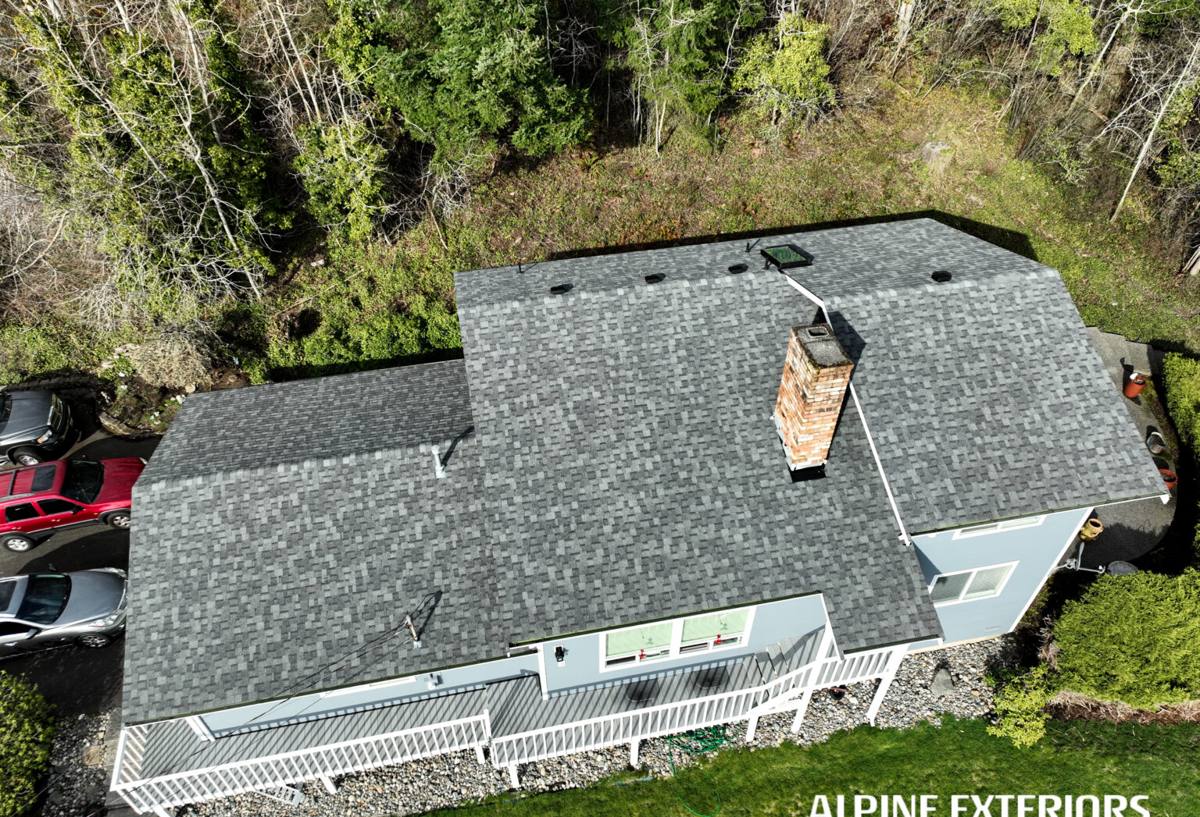
What Blaine's Climate Does to a Deck
Blaine sits right on the Salish Sea, and Grandview gets the same marine exposure as the rest of the city: salt-laden air, long stretches of driving rain, and short winter days that keep shaded surfaces damp for weeks at a time. None of this is exotic weather, but the cumulative effect on an outdoor structure is real.
Salt Air and Metal Fasteners
Airborne salt accelerates corrosion on any fastener, bracket, or connector that isn't rated for it. Standard electro-galvanized screws and joist hangers can start rusting within a season or two this close to the water. Once a fastener corrodes, it loses holding strength long before it looks obviously bad, which is how decks develop hidden structural weak points that only show up when someone leans on a railing.
Moss, Algae, and Standing Water
Whatcom County's damp shoulder seasons grow moss and algae on any horizontal surface that doesn't drain and dry quickly. On a deck, that moss isn't just cosmetic — it holds moisture against the board surface, and on wood decking it becomes a slip hazard and a slow-motion rot accelerator. Poor board spacing, flat framing with no drainage slope, and decking laid too tight all make this worse.
Driving Rain and Wood Movement
Rain in this area often comes sideways off the water, which means it gets into places a straight-down rain wouldn't reach — under railing caps, behind fascia boards, into end grain at stair stringers. Wood expands and contracts with repeated wetting and drying, and every cycle works at fasteners, joints, and finishes. A deck built without accounting for this movement loosens up faster than one built with the right gaps, flashing, and fastener choices from day one.
Decking Material Options for Grandview Homes
There's no single "best" decking material — there's a best material for your budget, your maintenance appetite, and how much sun or shade your deck actually gets. Here's how the common options hold up specifically under Blaine's marine, wet-shoulder-season conditions.
| Material | How It Handles This Climate | Maintenance |
|---|---|---|
| Pressure-treated wood | Affordable and structurally solid if detailed right, but end grain and fastener holes need real attention to keep water out | Annual cleaning and re-sealing; moss removal in shaded areas |
| Cedar | Naturally rot-resistant and handles moisture well, but salt air and UV will gray and check the surface without upkeep | Periodic cleaning, oiling, or staining to hold color and grain |
| Composite decking | Resists rot and doesn't absorb water the way wood does; good match for shaded, damp spots where moss is a recurring problem | Occasional washing; no sealing or staining required |
| PVC decking | Fully synthetic, near-zero moisture absorption, holds up well against salt air and constant dampness | Lowest upkeep of the group; wash as needed |
For a shaded, moss-prone section of a Grandview yard, we'll often steer homeowners toward composite or PVC simply because it takes the moisture-retention problem off the table. For a sunnier deck where the homeowner likes the look and feel of real wood and is willing to stay on top of maintenance, cedar or properly detailed pressure-treated framing with a quality decking board is still a solid choice. This is a conversation, not a sales pitch — we'll tell you honestly which option fits your specific site and budget.
What a Correctly Built Deck Involves
A deck is only as good as what's underneath it. Most of the failures we see on older Blaine-area decks trace back to a handful of shortcuts made at the framing stage, long before anyone ever walked on the finished surface.
Footings and Structural Support
Footings need to be sized and set to local frost and soil conditions, not guessed at. Undersized or shallow footings lead to settling, which shows up later as a deck that's noticeably out of level or a railing that's developed a lean.
Ledger Board Flashing
Where a deck attaches to the house, the ledger board connection is the single most common source of hidden water damage nationwide — and it's worse here given how much rain Blaine sees. Proper flashing that sheds water away from the house band joist, rather than trapping it against the wall, is non-negotiable on any deck we attach to a structure.
Fastener and Hardware Grade
Given the salt air issue covered above, we spec corrosion-resistant fasteners and connectors rated for coastal exposure, not the cheapest hardware on the shelf. It costs a little more upfront and saves the homeowner a structural surprise five or ten years down the road.
Board Spacing and Drainage
Decking boards need consistent gaps to let water drain through instead of pooling on the surface, and framing needs a slight slope away from the house. Skipping this is exactly how a deck ends up growing moss in its second year instead of its tenth.
Railings, Stairs, and Code Requirements
Any deck built or substantially modified in Blaine needs to meet current building code for guardrail height, baluster spacing, and stair geometry, and in most cases needs a permit through the appropriate local authority before work starts. This isn't paperwork for its own sake — undersized railings and inconsistent stair rise are two of the more common ways people actually get hurt on a deck. We handle the permitting conversation as part of the project rather than leaving it for the homeowner to sort out.
Beyond code minimums, railing material matters in this climate too. Metal railing components need the same corrosion resistance as structural fasteners, and wood railing caps need the same attention to end-grain sealing and water shedding as the decking itself.
Our Deck Building Process
We keep the process straightforward and communicate clearly at each stage, whether it's a new deck build or a rebuild of an aging one.
- On-site assessment — we look at your specific lot, sun and shade exposure, drainage, and how the deck will tie into the house.
- Material and design conversation — an honest walkthrough of decking, railing, and structural options that fit your budget and how you'll use the space.
- Written estimate — clear scope and pricing before any work begins, no surprise add-ons.
- Permitting — we handle the local permit process for the structural work involved.
- Demolition (if replacing an existing deck) — removal and disposal of old decking and framing as needed.
- Framing and structural work — footings, ledger flashing, joists, and hardware built to hold up in this climate, not just to pass inspection.
- Decking, railing, and stairs — installed with the spacing, fastening, and detailing covered above.
- Final walkthrough — we go over the finished deck with you and answer any maintenance questions before we call it done.
Maintenance in a Marine Environment
Even a well-built deck needs some seasonal attention in Blaine's climate. None of this is complicated, but skipping it is how a good deck ages badly.
- Sweep debris and standing leaves off the deck surface regularly, especially in fall
- Rinse off salt spray and grime a few times a year, particularly on more exposed decks
- Watch shaded corners and under-railing areas for early moss or algae growth and clean it before it spreads
- Check fasteners, joist hangers, and railing connections annually for rust or looseness
- Re-seal or re-stain wood decking on the schedule the product calls for — don't wait until it's visibly gray and dry
- Confirm gaps between boards haven't closed up from swelling, which blocks drainage
- Clear gutters and downspouts near the deck so roof runoff isn't dumping onto or under it
Why Hire a Crew That Already Works in Grandview
A deck built by a crew unfamiliar with Blaine's conditions can look fine on the day it's finished and still be set up to fail early — wrong fastener grade, no ledger flashing, decking laid without drainage in mind. None of those mistakes are visible at handoff. They show up two, five, or ten years later, usually as a repair bill.
Working this specific area regularly means we already know how the marine air and rain patterns behave here, which materials actually perform over time in Whatcom County's damp season, and what the local permitting process expects. That local knowledge is baked into every deck we build in Grandview, not treated as an afterthought.
Get a Free Estimate for Your Grandview Deck
If you're planning a new deck or looking at replacing one that's showing its age, we're happy to come take a look, walk through your options honestly, and put together a written estimate — no pressure, no obligation. Use the form below to get started.