 Blaine Siding
 Ferndale's Climate Is Hard on a Roof — Here's Why Metal Handles It Well
Ferndale sits close enough to the water and to the marine weather patterns that move through Whatcom County that roofs here take a beating most inland homes never see. Salt-laden air off the Strait works its way into fasteners and flashing over time. Driving rain, pushed sideways by wind off the water, finds its way under anything that isn't lapped and sealed correctly. And the long stretch of gray, wet months every year gives moss and algae months on end to get established on north-facing slopes and shaded valleys.
A correctly installed metal roof handles all three of those problems better than most other roofing materials, but "correctly installed" is doing a lot of work in that sentence. Metal roofing is unforgiving of shortcuts. A panel that's fastened wrong, a flashing detail that's skipped, or an underlayment that's the wrong spec for our rainfall will show itself as a leak or corrosion point years before it should — often right where the original installer figured nobody would notice.
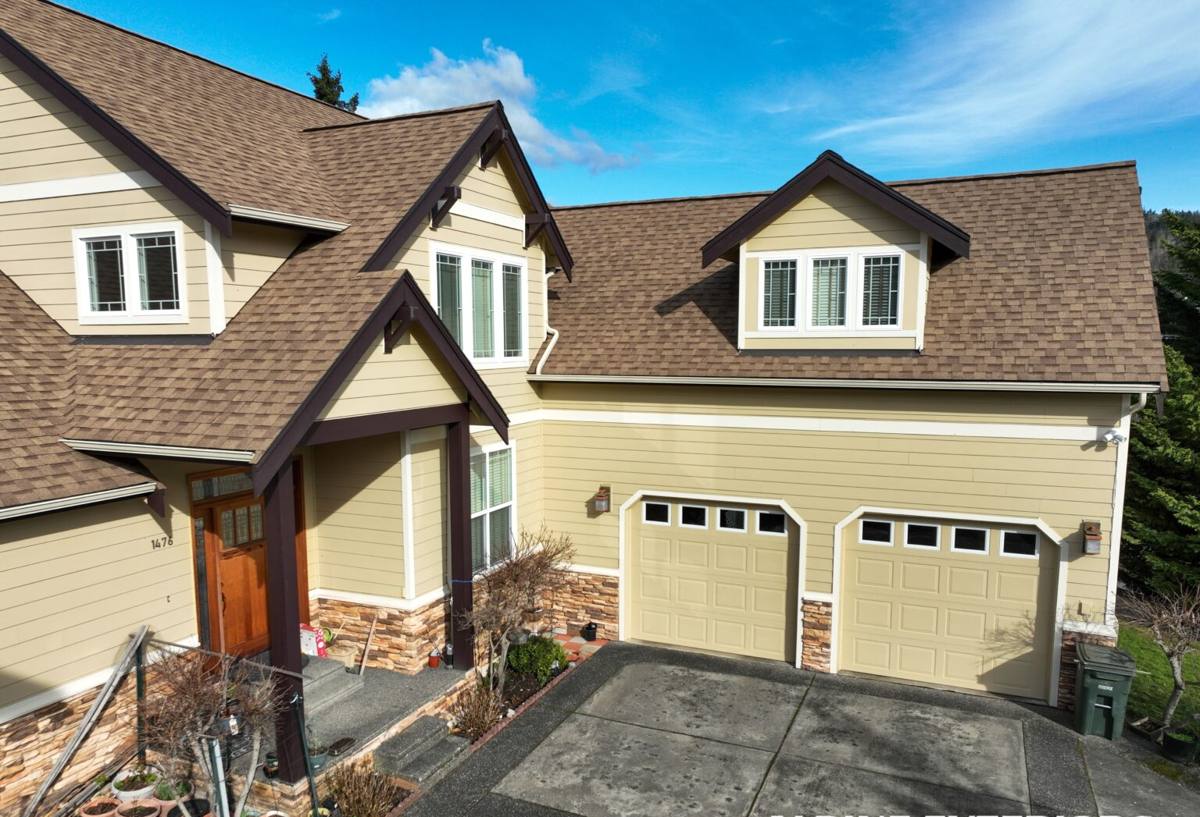
What a Correctly Installed Metal Roof Needs in This Climate
Underlayment and Water Protection
Given how much rain Ferndale roofs see over a year, we don't treat underlayment as an afterthought. A synthetic, high-temp underlayment rated for long UV and moisture exposure goes down under every panel, with self-adhered ice-and-water membrane at eaves, valleys, and any low-slope transition where water can pool or wind-driven rain can push uphill under the panels.
Fastening and Panel Movement
Metal expands and contracts with temperature swings, and it needs to be fastened in a way that allows for that movement without loosening screws or stressing seams over time. This is one of the most common failure points we find on older installs — fasteners driven too tight, in the wrong pattern, or with the wrong gasket, which lets water in at every single screw head.
Flashing at Every Transition
Chimneys, skylights, dormers, and roof-to-wall transitions are where most roof leaks actually start, metal or otherwise. Each of these needs custom-formed flashing, not a generic trim piece bent to sort-of fit. Given our rain volume, we'd rather spend the extra time getting flashing details right than come back for a warranty call in year two.
Ventilation
A sealed, unventilated attic under a metal roof in a wet climate is a recipe for condensation problems. Proper intake and exhaust ventilation keeps moisture from building up underneath the deck, which protects both the roof structure and the metal itself from the inside out.
Choosing a Metal Roofing System
Not every metal roofing product is a good fit for every home, and the right choice depends on your roof's slope, your budget, and how long you want to go before any maintenance is needed. Here's how the main options compare for a home in this area:
| System | How It's Fastened | Best For | Trade-Offs |
|---|---|---|---|
| Standing Seam | Concealed clips, no exposed fasteners | Long-term, low-maintenance performance in wet, coastal-adjacent climates | Higher upfront cost; requires an experienced installer |
| Exposed Fastener (5V, corrugated) | Screws driven through the panel face | Budget-conscious projects, outbuildings, some home styles | Fasteners and gaskets need periodic inspection and eventual replacement |
| Metal Shingles / Shakes | Interlocking panels, concealed fasteners | Homes wanting a traditional look with metal's durability | More seams and details than standing seam; installation quality matters even more |
For most Ferndale homes exposed to direct weather off the water, we lean toward standing seam because it has the fewest points where water can eventually work its way in. That said, exposed-fastener systems are a legitimate, more affordable option when they're installed and maintained properly — we'll walk you through the real trade-offs for your specific roof rather than push one system across the board.
Salt Air, Moss, and Algae: What Actually Protects the Roof Long-Term
Bare or improperly coated metal near the coast is more prone to corrosion, especially at cut edges and fastener heads where the protective coating can be compromised during installation. We use panels with a factory paint or coating system rated for coastal exposure, and we're careful with how panels are cut and handled on site so we're not creating raw edges that invite rust down the road.
Moss and algae are less about the metal itself — algae in particular struggles to get a foothold on a smooth metal surface the way it does on shingles — but organic debris can still build up in valleys, around penetrations, and in gutters. Left alone, that debris holds moisture against the roof and gutter system, which is where problems actually start. Keeping gutters clear and debris from accumulating in valleys does more for a metal roof's longevity here than any coating alone.
Our Installation Process
Inspection and Tear-Off
We start with a full inspection of the existing roof and deck, checking for soft spots, rot, or ventilation issues that need to be addressed before new material goes on. Tear-off is done in manageable sections so the home isn't left exposed to Whatcom County weather any longer than necessary.
Deck Prep
Any damaged sheathing gets replaced, not patched over. This is also when we confirm the ventilation plan and address anything that needs correcting before underlayment goes down.
Panel Installation and Flashing
Panels are installed to spec for fastening pattern and thermal movement, with custom flashing formed and installed at every roof transition, valley, and penetration.
Final Walkthrough
We walk the finished roof with you, cover what maintenance (if any) the system needs going forward, and make sure gutters and downspouts are clear and functioning before we consider the job done.
Signs an Older Ferndale Roof Needs Attention
If you're not sure whether your current roof — metal or otherwise — is due for repair or replacement, these are the things worth checking or having a professional look at:
- Rust streaking or discoloration around fasteners or panel seams
- Visible moss or heavy debris buildup in valleys or shaded slopes
- Loose, lifted, or missing fasteners on an existing metal roof
- Water stains on interior ceilings, especially after heavy wind-driven rain
- Gaps or deteriorated sealant at chimneys, skylights, or vent penetrations
- Sagging or soft spots noticeable when walking the roof or attic
What Metal Roofing Costs in Ferndale — and What Changes the Price
Metal roofing costs more upfront than asphalt shingles, but the gap has narrowed in recent years and the lifespan difference is significant. Rather than quote a number that won't mean much without seeing your roof, here's what actually moves the price up or down on a real project:
- Roof complexity — the number of valleys, dormers, and penetrations drives labor time more than square footage alone
- Panel system — standing seam costs more than exposed-fastener panels for the same square footage
- Deck condition — rotted sheathing found during tear-off adds material and labor that can't be known until the old roof is off
- Roof pitch and access — steep or hard-to-access roofs take longer and require more safety setup
- Existing layers — removing multiple layers of old roofing adds to disposal and labor costs
We give a written estimate after seeing the actual roof, not a phone-quote guess, because so much of the real cost depends on what we find during inspection.
Why a Crew That Already Works in Ferndale Makes a Difference
A roofing crew that regularly works in and around Ferndale knows how the wind comes off the water, which roof orientations take the worst of the rain, and where moss tends to build up fastest on local homes. That's not something you get from a crew passing through once. It also means we're not learning the local permitting process on your project, and we're not far away if a question comes up after the job's done.
Maintaining a Metal Roof After Installation
A well-installed metal roof needs far less upkeep than shingles, but it isn't zero-maintenance. Keeping gutters and valleys clear of debris, doing a visual check after major windstorms, and having fasteners inspected every few years (on exposed-fastener systems especially) will keep small issues from becoming leaks. We're happy to walk you through a simple maintenance schedule specific to your roof system when the job is finished.
If you're weighing metal roofing for a home in Ferndale, we're glad to come take a look and give you a straight, no-pressure estimate — use the form below to get started.