 Blaine Siding
 Why Ferndale Windows Take a Different Kind of Beating
Ferndale sits close enough to the water that salt-laden air is a fact of life, not an occasional nuisance. Add Whatcom County's long stretch of driving rain each fall and winter, plus a moss and mildew season that can run eight months out of the year in shaded spots, and you've got a climate that's genuinely harder on window frames, seals, and glazing than most of the country ever deals with. Windows here don't fail because they're old in the abstract sense — they fail because moisture found a way in and never fully dried out, or because a frame material that works fine in Spokane or Denver just wasn't built for this kind of sustained damp.
A custom windows project in Ferndale has to account for all of that from the design stage, not patch it in after the fact. That means thinking about frame material, flashing details, drainage paths, and glazing specs specifically for this stretch of Whatcom County, not a generic Pacific Northwest package.
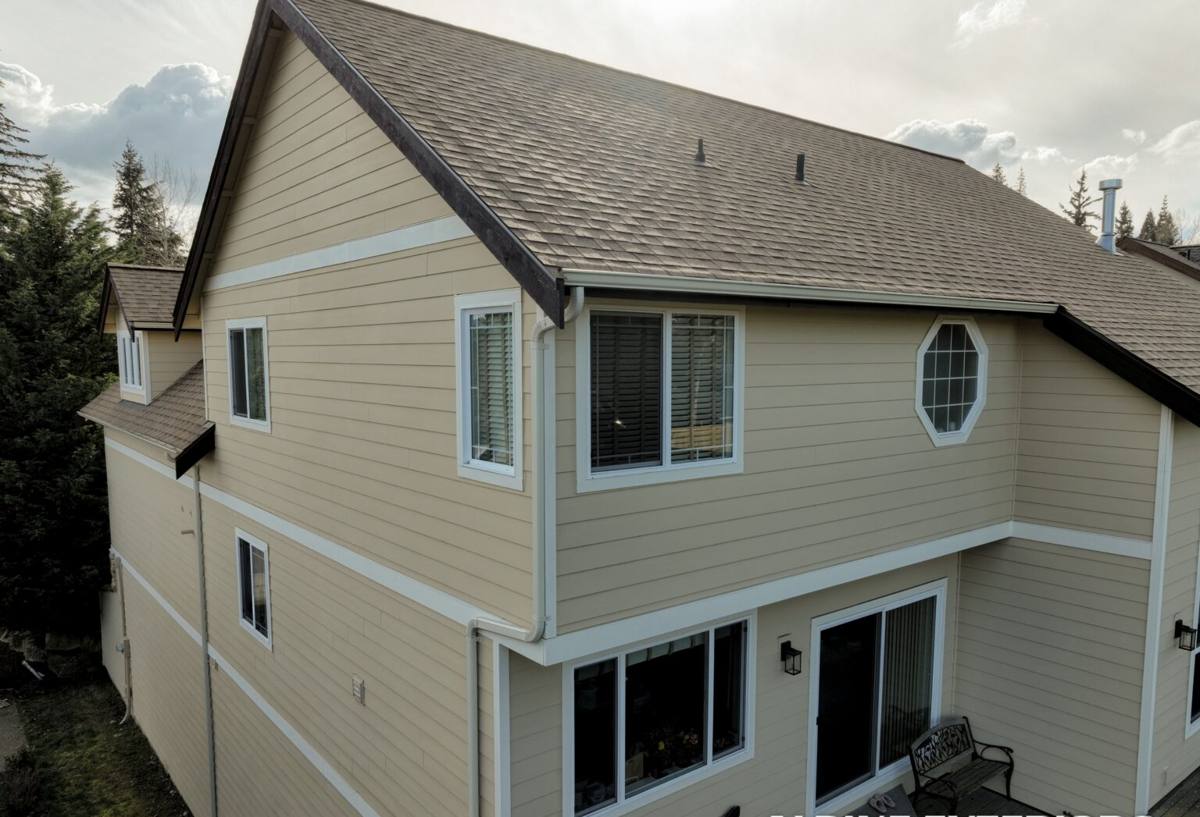
What "Custom" Actually Means Here
Custom doesn't just mean expensive or fancy. In practice, most custom window work in and around Ferndale falls into a few categories:
- Non-standard openings — older farmhouses, additions, and homes that have settled over decades often have openings that don't match any stock size, so windows have to be built to the actual rough opening.
- Architectural features — bay windows, picture windows paired with operable units, or shaped tops that a catalog window simply doesn't offer.
- Full-frame replacement versus insert replacement — a decision that changes depending on whether the existing frame and sill are still sound or have already taken on water damage.
- Matching an addition or remodel to the sightlines and grid pattern of the original house, which matters a lot on older Ferndale homes where mismatched windows are easy to spot from the street.
None of that is about upselling. It's about the window actually fitting the house correctly, because a poorly fitted window is where water finds its way in.
Signs Your Windows Are Losing the Fight
Most homeowners call us after noticing one or two of these, not because they've done a full inspection. Worth checking for on your own before it becomes a bigger repair:
- Fogging or a persistent haze between panes on double- or triple-glazed units — the seal has failed and the gas fill is gone.
- Soft or spongy wood at the sill or bottom corners of the frame, especially on the side of the house that takes the most weather.
- Visible moss or dark streaking on the sill, trim, or brick mould that keeps coming back no matter how often it's cleaned.
- Windows that are noticeably harder to open and close than they used to be, which often points to a swelling or warping frame.
- Drafts you can feel with your hand along the frame edge on a windy day, even with the window latched shut.
- Paint or finish that's bubbling or peeling specifically around the window, rather than the wall in general.
Any one of these on its own might just need caulking or a minor repair. Two or three together, especially on a window that's original to the house, usually means it's time to talk about replacement before the surrounding wall framing gets involved.
Frame Materials: What Actually Holds Up Here
We get asked constantly which material is "best." The honest answer is that it depends on the exposure of the specific window opening, the look you're going for, and your budget — but here's how the common options actually perform under Whatcom County conditions.
| Material | Moisture Behavior | Maintenance | Typical Fit |
|---|---|---|---|
| Vinyl | Won't rot; seams and welded corners are the main moisture-entry risk if not installed correctly | Low — occasional cleaning, no painting | Most replacement projects, budget-conscious full-house jobs |
| Fiberglass | Excellent — dimensionally stable, doesn't expand/contract with humidity swings the way wood or vinyl can | Low to moderate | Larger custom openings, homes with big temperature swings between rooms |
| Wood, factory clad exterior | Good on the exterior face if the cladding and flashing are done right; interior wood still needs normal upkeep | Moderate — exterior is low-care, interior wood benefits from periodic finish checks | Historic-style or high-end architectural replacements where interior wood trim matters |
| Aluminum | Prone to condensation and thermal transfer unless thermally broken; not our default recommendation for this climate | Low, but condensation issues can drive mold at the sill | Rarely our first choice for residential work in this county |
We don't push one material on every job. What we push is matching the material to the exposure — a window on the weather side of the house facing prevailing wind and rain gets treated differently than one tucked under an eave on a protected wall.
How We Approach the Install
The window itself is only part of the job. Most of the failures we get called out to fix on other people's installs trace back to what happened around the window, not the unit itself. Our process on a Ferndale project generally looks like this:
- Assess the opening. We check the sill, framing, and any existing water damage before quoting, not after the old window is already out.
- Confirm sizing and specs. For custom openings we take exact field measurements — no assuming the house matches the original builder's plans, because after enough decades it rarely does.
- Prep the opening properly. This means correct flashing sequencing (so water sheds down and out, never in), a sloped sill pan where called for, and sealing methods suited to the wall assembly, not just a bead of caulk around the trim.
- Set and shim the window plumb, level, and square. A window that's slightly racked will bind, leak, or both within a few years.
- Insulate the gap correctly. Too much expanding foam can bow a frame; too little leaves a draft and a moisture path. This step gets rushed on a lot of jobs we see — we don't rush it.
- Finish and seal the exterior. Trim, caulking, and paint or cladding details get closed out so the whole assembly sheds water the way it's supposed to.
- Walk the finished opening with you. Operation, locks, and a visual check before we call it done.
Where We See Other Installs Go Wrong
We're regularly called into Ferndale and nearby Whatcom County homes to fix or replace windows that are only a handful of years old. It's rarely the window brand's fault. The recurring issues we find:
- Flashing skipped or installed backwards, so water gets directed behind the sheathing instead of out over the siding.
- Caulk used as the only water management strategy, with no proper flashing or sill pan underneath it — caulk is a backup, not a system.
- Windows set out of square, which stresses the seals and shortens the life of the glazing unit well before it should fail.
- Mismatched fasteners or shims that let moisture wick into the framing over time.
None of this is about any particular product being bad — it's almost always an installation shortcut. That's our professional standard: the install method matters as much as the window itself, especially in a climate that punishes any gap in the water-management chain.
What Drives the Cost
Every custom window quote is specific to the opening, but the variables that move the price are consistent. Rough, honest ranges — actual numbers depend on your specific job:
| Factor | Why It Matters |
|---|---|
| Insert vs. full-frame replacement | Full-frame costs more but is often necessary once the existing frame or sill has water damage |
| Frame material | Vinyl is generally the most economical; fiberglass and clad wood run higher |
| Glass package | Double-pane with a Low-E coating is standard; upgrading glazing or adding a third pane raises cost but improves comfort and moisture resistance |
| Opening condition | Rot repair, resizing, or structural work around the opening adds labor before the window ever goes in |
| Shape and size | Standard rectangular units cost less than bays, arches, or oversized picture windows |
| Trim and exterior finish | Matching existing trim profiles or cladding adds time, especially on older homes |
We'd rather walk your specific openings and give you real numbers than quote a range that doesn't mean much for your house.
Why It Matters That We Already Work in Ferndale
A crew that regularly works Ferndale and the surrounding Whatcom County area already knows how the local building stock tends to be put together — the common framing quirks in older neighborhoods, how additions from different decades were tied into the original structure, and which wall assemblies need extra attention to moisture management given the salt air and rain exposure this area gets. That's not something you can fully substitute with a generic install checklist. It also means when something needs a follow-up look — a settling issue, a question about how a window is performing after its first wet season — we're not driving in from out of the area to deal with it.
Keeping Custom Windows Performing Through Moss Season
New windows, installed correctly, shouldn't need much. A few habits keep them performing:
- Rinse sills and tracks periodically to clear salt residue and organic buildup before it turns into moss or algae staining.
- Keep gutters and downspouts clear so water isn't sheeting down across window heads during heavy rain.
- Check exterior caulking lines once a year, typically before the rainy season sets in, and touch up anything that's cracked or pulled away.
- Trim back vegetation that's shading a window and keeping it damp longer than the rest of the house.
- Operate windows through their full range a few times a season so hardware and weatherstripping don't set in one position.
If you're weighing a custom window project for a Ferndale home, we're happy to take a look and give you a straightforward, no-pressure estimate — just fill out the form below and we'll go from there.