 Blaine Siding
 Windows That Have to Work Harder in the Nooksack Valley
Everson sits along the Nooksack River, and that location shapes what a window has to deal with year-round. Valley fog settles in overnight and burns off slowly. Humidity lingers longer than it does on higher, more exposed ground. And when a southwesterly storm rolls in off Georgia Strait, it doesn't just bring rain to the coast — it pushes driving, wind-loaded moisture up the river corridors and into towns like Everson. Add a long moss and algae season that Whatcom County shares almost everywhere west of the Cascades, and you have a climate that will find every weak point in a window's seal, frame, and flashing within a few winters.
Custom windows in this setting aren't a cosmetic upgrade. They're a moisture-management decision. The right window, installed correctly, keeps water out of the wall cavity, keeps conditioned air in, and keeps condensation from turning into rot behind the trim. The wrong window — or the right window installed carelessly — becomes a slow leak point that homeowners often don't notice until there's soft framing or staining on an interior wall.
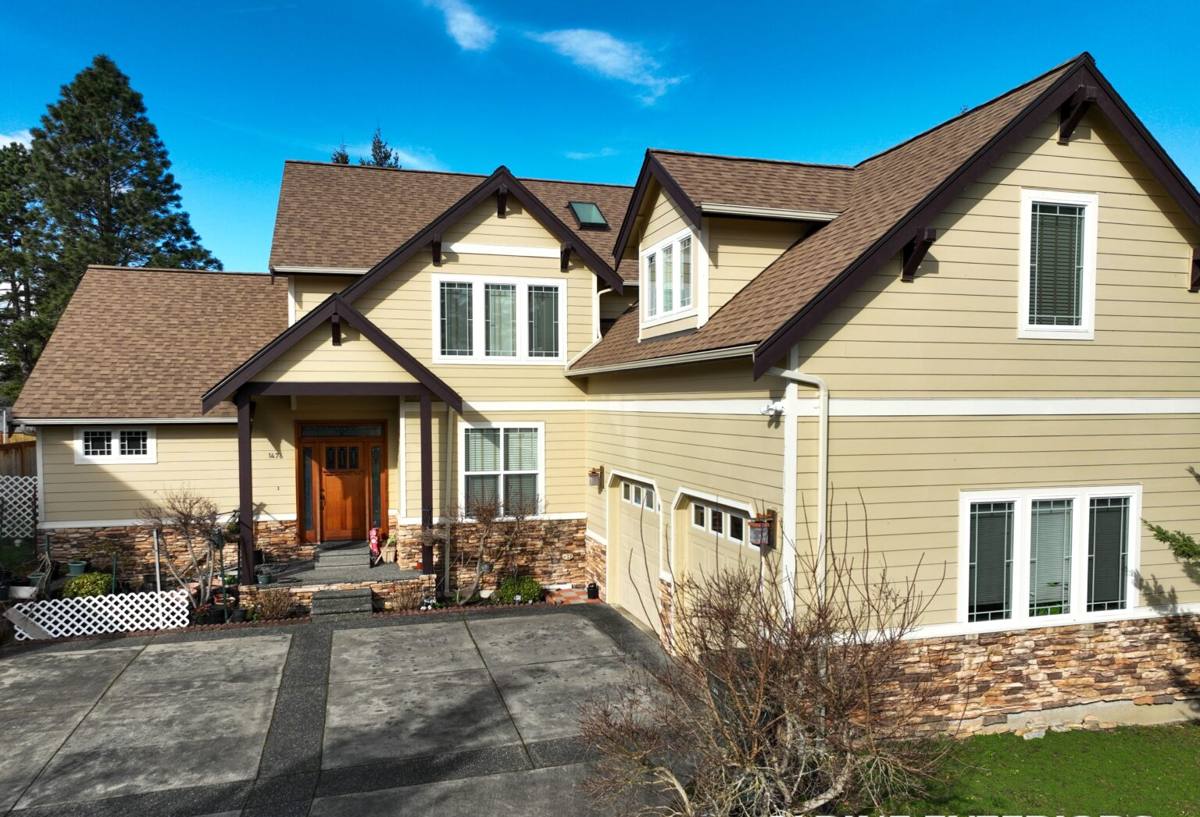
What Everson Homes Typically Need
We see a mix of housing stock in and around Everson: older farmhouses and river-valley homes with original wood windows, mid-century ranch-style houses with aluminum-frame single-pane windows from a later remodel, and newer builds where the vinyl windows installed at construction are starting to show their age. Each comes with a different starting point.
Older Wood-Frame Homes
Original wood windows often have real character and can sometimes be restored rather than replaced. But if the frames have taken on years of valley humidity, wood rot at the sill and lower corners is common. Once rot has set in, restoration usually isn't the economical choice — a custom-sized replacement that matches the original opening is.
Aluminum-Frame Retrofits
Aluminum conducts cold and does nothing to stop condensation on the interior glass during damp, cold mornings — a familiar sight in river-valley homes come late fall. These are usually the highest-priority replacements from an energy and moisture standpoint.
Aging Vinyl
Vinyl windows installed 15–20+ years ago may still look fine but often have failed seals, meaning the gas fill between panes is gone and the glass fogs between the panes. That's a manufacturing and age issue, not an installation issue, and it's a common reason we get called out even on newer-looking homes.
What "Correct" Actually Means for a Window Install
A window replacement is really two jobs stacked together: getting a well-built window into the opening, and getting the water management around that opening right. Most window problems we're called to fix later aren't the window's fault — they're a flashing or sequencing mistake from the original install.
- Old flashing and sealant fully removed, not caulked over
- Sill pan flashing installed to direct any incidental water back outward, not into the wall
- Self-adhering flashing tape lapped correctly at the head, jambs, and sill — shingle-style, so water always sheds downward and outward
- Window unit shimmed square and plumb before fastening, so the sash operates properly for years, not just on install day
- Low-expansion foam or backer rod and sealant used at the gap between frame and rough opening — not just spray foam alone, which can bow thinner window frames
- Exterior trim and siding integration sealed and lapped so the window becomes part of the wall's water-shedding system, not a separate patch in it
Skip any one of these steps and the window can look perfect from the street while quietly letting moisture into the wall assembly. In a climate like Whatcom County's, that damage compounds every wet season.
Choosing the Right Window for This Climate
Custom windows means the unit is built to your exact opening and your home's specific exposure — not a stock size that gets shimmed and gapped to fit. For Everson homes, we look at a few things before recommending a frame material and glass package: how exposed the wall is to prevailing wind and rain, how much direct sun the window gets, and what the existing trim and siding need to tie into cleanly.
| Frame Material | Moisture Performance | Maintenance | Typical Cost Position |
|---|---|---|---|
| Vinyl | Good — won't rot, minimal thermal bridging | Low; occasional cleaning | Most economical |
| Fiberglass | Excellent — dimensionally stable in wet/dry cycles | Low | Mid to upper range |
| Wood-clad (exterior clad, wood interior) | Good on the exterior side; interior wood needs a dry, well-sealed condition | Moderate — interior finish upkeep | Upper range |
| Bare wood | Requires diligent upkeep in a wet climate; highest exposure risk | High — repainting/sealing on a schedule | Varies; ongoing cost over time |
We're generally cautious about recommending bare, unclad wood exteriors for river-valley homes with heavy shade or persistent dampness, simply because the maintenance schedule needed to keep it watertight is demanding. That's a maintenance-burden judgment, not a knock on wood as a material — it performs well when it's properly maintained and not sitting in constant moisture.
Glass Packages Worth Discussing
Double-pane, low-E glass is the standard baseline and performs well for most Everson homes. Triple-pane adds meaningful sound dampening and a slightly warmer interior glass surface — useful on north- or west-facing walls that catch the worst of the wind-driven rain and cold. It's not always necessary on every elevation, and part of a custom quote is figuring out where it's worth the extra cost and where standard glazing does the job.
How Our Process Works
1. On-Site Assessment
We look at every opening individually — not just the glass and frame, but the condition of the sill, the header, and the surrounding siding or trim. This is where we catch hidden rot or past flashing mistakes before they become a surprise mid-project.
2. Measuring and Custom Ordering
Each window is measured and ordered to the actual opening, accounting for any out-of-square conditions common in older homes. This is what separates a true custom install from a big-box "replacement window" that gets forced into an opening it wasn't built for.
3. Tear-Out and Opening Prep
Old units come out carefully to avoid unnecessary damage to surrounding siding and trim. Any rot, soft framing, or old failed flashing is addressed here — this is the step that gets skipped when a job is rushed, and it's the one that matters most for long-term performance.
4. Flashing and Weatherproofing
Sill pan, flashing tape, and sealant go in following manufacturer specs and the sequencing described above. This step is what actually keeps Whatcom County rain out, not the window itself.
5. Setting, Shimming, and Securing
The window is set level, plumb, and square, then fastened per the manufacturer's schedule so warranty coverage stays intact.
6. Insulating, Trimming, and Finishing
Gaps are insulated appropriately, interior and exterior trim is reinstalled or replaced, and the surrounding siding is resealed and reintegrated so the whole wall assembly reads as one continuous, water-shedding system.
7. Walkthrough
We check operation on every window — smooth opening, closing, and locking — and walk the exterior with you before calling the job finished.
Why a Crew That Already Works Everson Matters
Window work in a wet climate is unforgiving of shortcuts, and it's also unforgiving of guesswork about weather timing. A crew that regularly works Everson and the surrounding Whatcom County towns knows the seasonal rain patterns well enough to plan tear-outs and installs around dry windows, rather than racing a storm with an open wall. We also know what materials and finishes actually hold up here — which trim details invite moss growth, which sealants perform in persistent damp and shade, and which frame materials are worth the extra upfront cost given how long they'll be exposed to river-valley humidity.
Being based in Blaine and working throughout Whatcom County also means we're not learning the region on your project. We've seen how these homes age in this specific climate, and that shapes every recommendation we make — from frame material to flashing detail.
Signs It's Time to Talk About Replacement
- Visible condensation or fogging between panes (a sign the seal has failed)
- Drafts you can feel near the frame, even with the window fully latched
- Wood trim or sill that's soft, discolored, or stained near the window
- Windows that are difficult to open, close, or lock properly
- Noticeably higher heating costs without another clear cause
- Visible gaps, cracked caulking, or peeling paint around the exterior frame
- Persistent moss or algae buildup on the trim or sill that keeps returning after cleaning
Any one of these on its own might just need a repair. Several together, especially on an older home, usually point toward replacement being the more cost-effective long-term move.
A Straightforward, No-Pressure Next Step
If you're weighing whether your Everson home's windows need attention, we're happy to take a look, walk you through what we see, and give you honest options — including telling you if a repair makes more sense than a full replacement. Use the form below to request a free estimate, no pressure and no obligation.