 Blaine Siding
 Birch Point Roofs Work Harder Than Most
Birch Point sits close enough to the water that homes there deal with a combination of stresses most inland Whatcom County properties never see: salt-laden air moving off the Strait, driving rain that hits roof planes almost sideways during winter storms, and a moss season that runs longer here than it does even a few miles inland because roofs stay shaded and damp for more of the year. Any one of those on its own is manageable. Together, they shorten the working life of fasteners, flashing, and shingle mat faster than a standard roofing warranty accounts for.
When a storm does damage a Birch Point roof, a repair that would hold up fine in a drier, calmer part of the county can fail again within a season or two if it doesn't account for the salt exposure and moisture load specific to this stretch of coastline. That's the gap this page is about — not storm damage repair in general, but what it actually takes to do it right here.
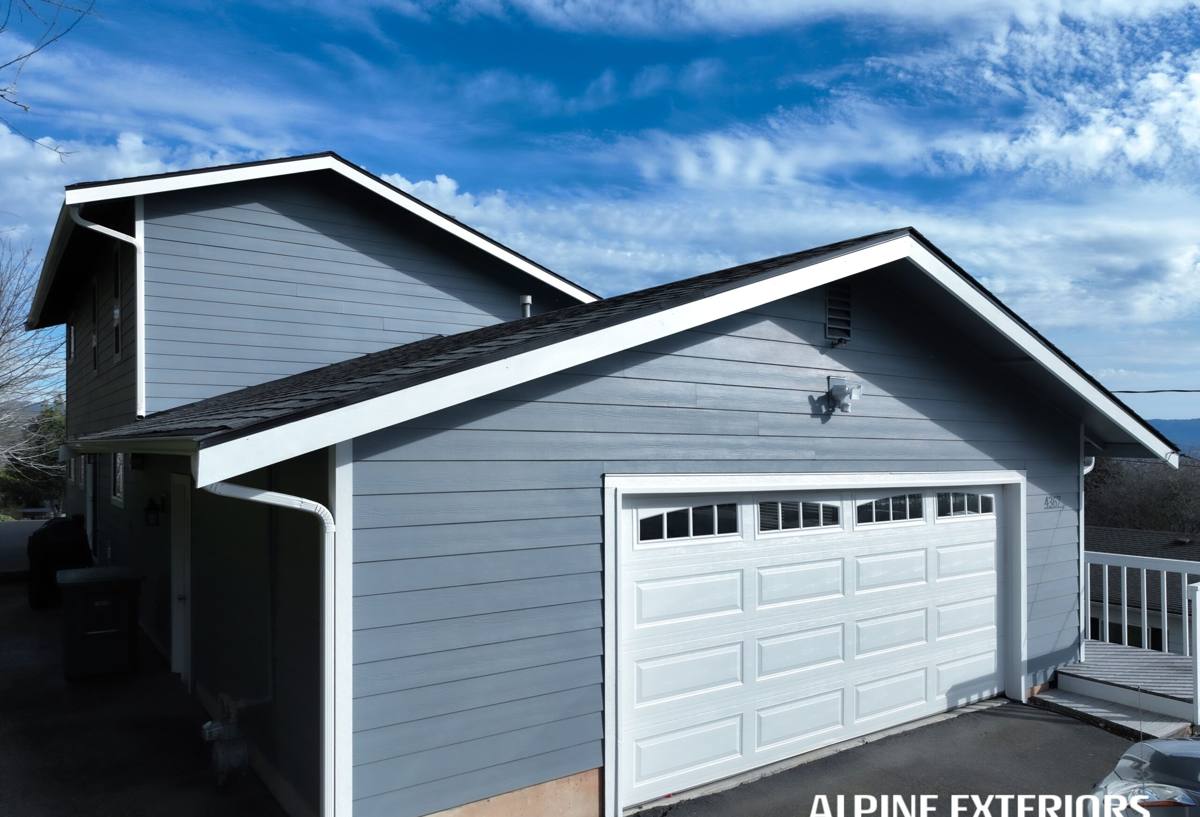
What Winter Storms Do to a Roof in This Area
Most of the storm damage we get called out for in Birch Point falls into a few repeatable patterns, and understanding them helps homeowners know what they're actually looking at.
Wind Uplift and Shingle Loss
Sustained onshore wind during a winter system doesn't just rattle shingles — it works underneath the tab, breaks the sealant bond, and eventually lifts or tears shingles off entirely. Homes with more open exposure toward the water tend to lose shingles along ridge lines and roof edges first, since that's where wind uplift concentrates.
Driving Rain and Flashing Failure
Rain that comes in at a steep angle finds every weak point in flashing around chimneys, skylights, vent pipes, and roof-to-wall transitions. A flashing seal that's held for years can fail during one bad storm if the underlying metal has already started corroding from years of salt air — the storm just exposes damage that was already building.
Moss, Trapped Moisture, and Delayed Damage
Whatcom County's moss season is long to begin with, and shaded, salt-humid roof sections in Birch Point stay damp longer than most. Moss holds moisture directly against the shingle mat and under tab edges, which softens the material and makes it far more likely to tear or crack under storm wind — so a roof with untreated moss going into a storm often sustains worse damage than a clean one would have.
Gutter Overflow and Fascia Damage
Heavy rain combined with debris or moss runoff clogs gutters fast. When water backs up instead of draining, it can get under the roof edge, soak fascia boards, and find its way into soffits — damage that's easy to miss from the ground.
Signs You Likely Need Storm Damage Repair
- Missing, cracked, or curling shingles, especially near ridges, edges, and valleys
- Granules collecting in gutters or at downspout outlets after a storm
- Water stains on interior ceilings or upper walls following heavy rain
- Visible daylight through the attic roof deck, or damp attic insulation
- Flashing that's visibly bent, lifted, or separated from the roof plane
- Thick moss growth on north-facing or shaded roof sections
- Sagging or soft spots when the roof deck is walked (a sign of trapped moisture, not just surface damage)
- Debris — branches, siding pieces, or shingle fragments — on the roof or in the yard after a wind event
Any one of these is worth a look. Several at once usually means the roof took a real hit and needs more than a patch.
What a Correct Repair Actually Involves
Storm damage repair done properly is a sequence, not a single step, and skipping steps is exactly how a "repaired" roof ends up leaking again after the next storm.
1. Full Roof and Attic Inspection
We look at the whole roof, not just the obviously damaged section, because wind and water damage often extends past what's visible from the ground. We also check the attic from inside for water intrusion, staining, or soft decking that didn't show up on the exterior walk.
2. Structural and Decking Assessment
If water got under the roofing material, the decking underneath may be soft, delaminated, or rotted. Repairing over damaged decking is one of the most common shortcuts we see from rushed storm repairs — it looks fine for a season, then fails.
3. Flashing and Underlayment Repair
Given how much of our storm damage traces back to flashing failure, we treat flashing repair as its own step, not an afterthought bundled into shingle work. Underlayment gets replaced wherever it's been compromised, not just patched around.
4. Matching Materials and Reinstalling
New shingles or roofing material get matched as closely as possible to the existing roof in both product line and weathered color, and installed with attention to the same wind-uplift points that failed the first time — sealant strips, nail placement, and edge fastening all matter more here than in calmer inland areas.
5. Moss and Debris Treatment
Since moss is often a contributing factor to storm damage in Birch Point specifically, a proper repair includes clearing moss from the surrounding roof area and addressing drainage, not just replacing the damaged section and leaving the rest of the roof primed for the same problem next season.
Emergency Tarp-Over vs. Permanent Repair
Right after a storm, the priority is stopping active water intrusion — that's usually a tarp-over or temporary patch, done fast and safely, while conditions allow. That's a stopgap, not a fix. It buys time to do the assessment and repair properly instead of rushing a permanent repair in bad weather or before the full extent of damage is known. We're upfront when a tarp is the right first move and when the roof is stable enough to go straight to permanent repair.
Insurance Documentation
Most storm damage claims move faster and get approved more cleanly when the damage is documented before repair work starts — clear photos of the specific damage, a written scope of what failed and why, and an itemized repair estimate. We provide that documentation as a standard part of the process, which is worth asking about up front with any contractor, since not everyone builds it in.
Our Process, Start to Finish
- Initial call and, when needed, same-window emergency tarp to stop active leaking
- Full roof and attic inspection with photo documentation
- Written estimate covering repair scope, materials, and cost factors — no pressure to sign on the spot
- Insurance documentation provided if you're filing a claim
- Scheduled repair, done in one visit for most storm damage unless decking replacement adds time
- Final walkthrough so you can see exactly what was repaired and why
Repair Approach Comparison
| Approach | What It Solves | Trade-offs |
|---|---|---|
| Spot shingle replacement | Isolated wind or impact damage on an otherwise sound roof | Won't address underlying flashing or decking issues if they exist |
| Section re-roof (one slope) | Concentrated storm damage limited to one roof plane | Color/weathering match to the rest of the roof can be imperfect |
| Flashing and underlayment replacement only | Leaks traced to flashing failure with shingles still intact | Doesn't resolve granule loss or shingle aging elsewhere on the roof |
| Full roof replacement | Roof near end of life where storm damage compounds existing wear | Higher upfront cost, but resets the clock on salt-air and moss exposure issues |
What Drives the Cost of a Repair
| Factor | Why It Matters |
|---|---|
| Extent of damage | A few missing shingles is a different job than decking replacement under a soaked section |
| Roof pitch and access | Steeper roofs and limited access near waterfront properties take longer and require more safety setup |
| Material match | Matching existing shingle type, weight, and color affects both cost and how much of the roof needs blending |
| Flashing condition | Corroded flashing from years of salt exposure often needs full replacement, not just resealing |
| Moss and drainage cleanup | Addressing the underlying moss and gutter issues adds labor but reduces repeat damage |
We give an honest range once we've actually seen the roof — broad ballpark numbers over the phone tend to be more misleading than useful when every one of these factors can move the price.
Why Local Experience in Birch Point Specifically Matters
A roofing crew that mostly works inland jobs doesn't necessarily think about salt-air fastener corrosion, wind exposure patterns unique to waterfront lots, or how much longer moss holds moisture on a shaded Birch Point roof compared to a sunnier inland one. Those aren't exotic problems, but they change what "correct" repair work looks like — the fastener grade, the flashing metal, the sealant choice, and the moss treatment schedule all shift when a roof sits this close to the Strait.
We work roofs across Blaine and Whatcom County regularly, including Birch Point, so we're not guessing at how a given roof has weathered — we've seen the pattern before on roofs a few doors down.
Preventing the Next Storm From Doing the Same Damage
A repair is a good time to fix the conditions that made the damage worse than it needed to be, not just patch the hole.
- Clear moss before it re-establishes, ideally as part of an annual or biannual maintenance visit given how long moss season runs here
- Keep gutters and downspouts clear ahead of the winter storm season so water has somewhere to go
- Have flashing checked on a regular cycle, since salt-air corrosion is gradual and easy to miss until it fails
- Trim back overhanging branches that shade roof sections and keep them damp longer
- Schedule a post-storm inspection after any significant wind event, even without visible leaks, since some damage doesn't show up inside right away
None of this eliminates storm risk — nothing does on a roof this exposed — but it meaningfully reduces how much damage the next storm actually causes.
Get a Straight Answer on Your Roof
If your Birch Point roof took damage in a recent storm, or you're not sure whether what you're seeing is worth worrying about, we're glad to come take a look. The estimate is free, there's no pressure to book anything on the spot, and you'll get a clear explanation of what we find and what it would take to fix it. Use the form below to get started.